
Bridgerton Season 4: A Deep Dive Into Love, Class, and Representation
The Magic of Sophie and Benedict’s Cinderella Story
If you find yourself absolutely enchanted by the newest season of “Bridgerton,” you’re certainly not alone. The long-awaited second half of Season 4 has finally arrived on Netflix, and it’s bringing with it some of the most compelling storytelling the series has offered yet. This season takes a bold step by exploring a side of Regency-era society that hasn’t received much attention in previous seasons: the working class. Rather than focusing exclusively on the glamorous lives of the aristocracy, the show now illuminates the experiences of household staff—the housekeepers, ladies’ maids, and valets who keep the grand estates running smoothly behind the scenes.
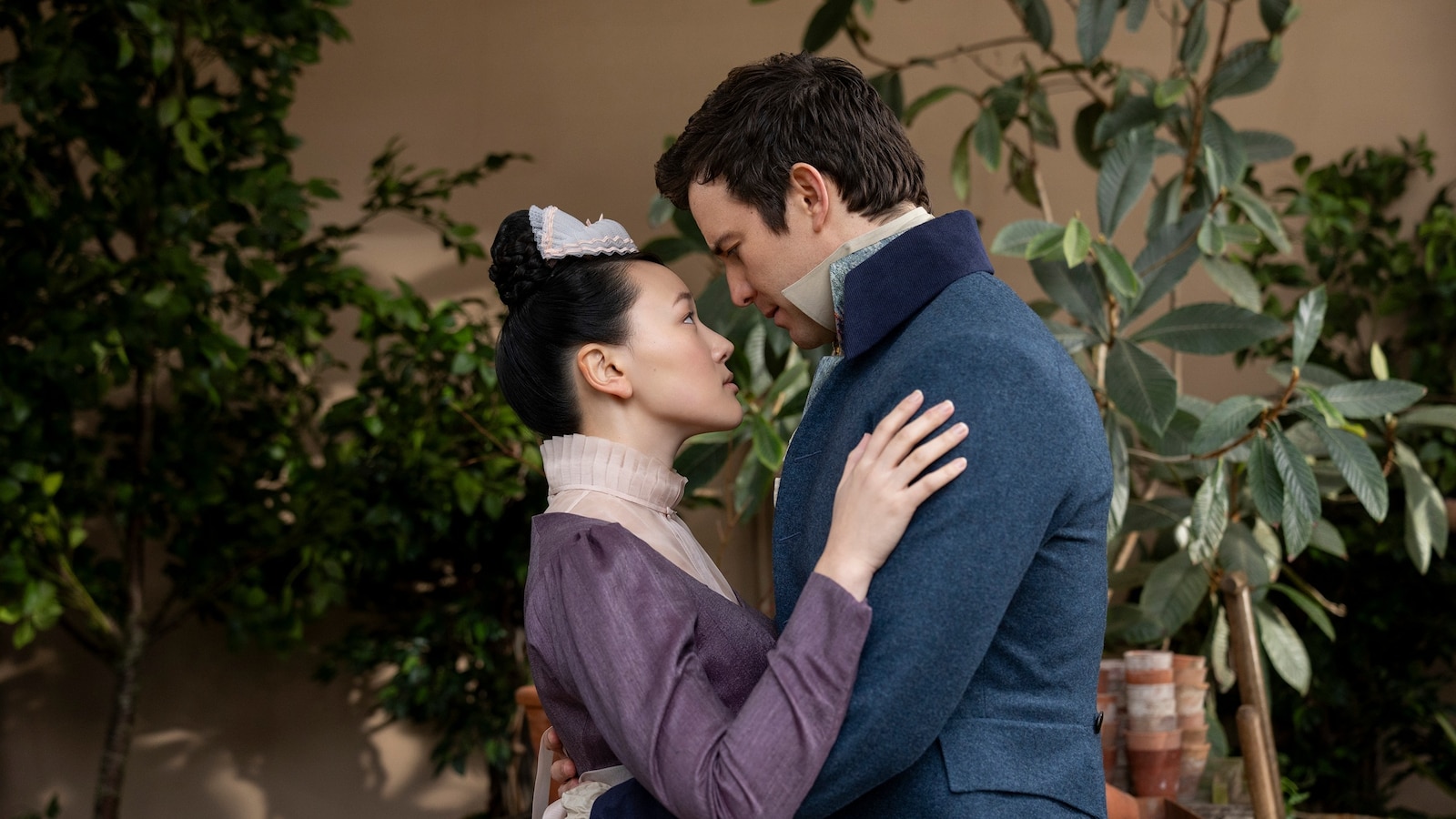
At the heart of this season is the enchanting romance between Sophie Baek, portrayed by newcomer Yerin Ha, and the artistic Benedict Bridgerton, played by Luke Thompson. Their love story draws clear inspiration from the timeless Cinderella tale, complete with a fateful meeting at a masquerade ball where Sophie’s identity remains hidden behind an elegant mask. This narrative choice allows the show to thoughtfully examine the rigid class dynamics that defined this historical period while asking profound questions about love, worthiness, and who gets to experience a fairy-tale ending in a world sharply divided by social status. The chemistry between Ha and Thompson brings depth and authenticity to a relationship that transcends the boundaries society has constructed, reminding viewers that true connection knows no class distinctions.
Finding Hope and Belonging in the Ton
Yerin Ha, making her debut in the Bridgerton universe this season, brings a fresh perspective to what makes the show resonate so deeply with audiences around the world. In her conversation with ABC News, she emphasized that “Bridgerton” offers something genuinely special to viewers—a sense of hope and belonging that extends beyond the screen. According to Ha, the show empowers people to recognize that they have agency in their own lives and can take charge of their personal narratives. “You are in the driver’s seat and it’s up to you to decide if that’s something that you want to create for yourself,” she explained, highlighting the show’s underlying message about self-determination and the pursuit of happiness.
This theme of creating one’s own happy ending becomes particularly poignant when viewed through Sophie’s journey. As a maid navigating a world that seems designed to keep her in her place, Sophie’s story challenges the notion that destiny is predetermined by birth. Her romance with Benedict isn’t just about two people falling in love—it’s about breaking down barriers, questioning societal norms, and believing that everyone, regardless of their station in life, deserves love, respect, and the opportunity to pursue their dreams. This message resonates powerfully in today’s world, where questions of equity, opportunity, and belonging remain as relevant as ever.
The Villains Who Make Us Look Deeper
Every great love story needs obstacles, and Season 4 introduces some memorable ones in the form of Sophie’s stepfamily. Katie Leung, whom many recognize from her role as Cho Chang in the “Harry Potter” films, takes on the deliciously complex role of Lady Araminta Gun, Sophie’s stepmother. Leung describes the experience of playing a villain as both “exciting” and “dangerous,” bringing nuance to a character who could easily have been one-dimensional. As the season progresses, particularly in the second part, Lady Araminta’s carefully constructed control begins to unravel. According to Leung, the moment she fires Sophie marks a turning point where “she’s let her emotions kind of get the better of her,” revealing vulnerability beneath the harsh exterior.
Joining Leung are Isabella Wei and Michelle Mao, who portray Sophie’s stepsisters, Posy and Rosamund Li. Their inclusion represents something more significant than just filling roles in the story. Wei and Leung both spoke about the profound impact of seeing East Asian women integrated into the “Bridgerton” universe in meaningful ways. When Wei auditioned for the role of Posy, she wasn’t just hoping to land the part for herself—she was thinking about “everyone else who could have the possibility of it,” recognizing the importance of representation and the doors it opens for future actors. Leung described the expansion of diversity in the show as “groundbreaking” and noted that the support from audiences has been “insane,” demonstrating a genuine hunger for stories that reflect the world’s true diversity.
The Strength of Female Solidarity
Beyond the representation itself, the actresses found genuine connection and support in working together. Leung spoke warmly about the experience of collaborating with Wei and Mao, describing how working alongside talented women elevates everyone’s performance while creating a solid foundation of friendship. “It makes you up your game, but also there’s a friendship there that feels really solid and that you’re not alone,” she explained. This sense of solidarity among the actresses mirrors broader themes in the show about women supporting each other despite—or perhaps because of—the limited opportunities available to them in Regency society.
The impact of “Bridgerton” on the careers of everyone involved cannot be overstated. Leung expressed genuine excitement about how the show’s massive platform provides exposure that can transform careers and create opportunities that might not otherwise exist. This is particularly meaningful for actors from underrepresented communities, who historically have faced significant barriers in the entertainment industry. By featuring diverse casts in prominent roles within beloved stories, “Bridgerton” is helping to reshape audience expectations and industry standards, proving that inclusive casting isn’t just the right thing to do—it also makes for compelling, successful television.
Francesca’s Journey Through Love and Loss
While Sophie and Benedict’s romance takes center stage this season, the show also dedicates significant attention to Francesca Bridgerton’s emotional journey. Portrayed by Hannah Dodd, Francesca experiences devastating heartbreak in the second part of Season 4 with the death of her husband, John Stirling, played by Victor Alli. Dodd beautifully articulated what made John so special to Francesca: “He was exactly what she needed and he is somebody who creates space for her.” For someone who has always felt somewhat different from those around her, finding acceptance and understanding in a partner represents something truly precious.
However, John’s death is not the end of Francesca’s story but rather a transformation point. The season introduces Michaela Stirling, John’s cousin, portrayed by Masali Baduza. Michaela’s character, first introduced in Season 3, takes on greater significance in Season 4, with hints of a potential romantic connection with Francesca. This development has generated both enthusiasm and controversy among fans, particularly those familiar with the original book series who have strong attachments to specific storylines. Despite some criticism about the direction of Francesca’s romantic arc, Dodd has expressed pride in being part of this narrative, emphasizing that “This is a show that celebrates all kinds of love.” Baduza added that the second part of the season shows how John’s death brings Michaela and Francesca closer together as they navigate grief and discover where they stand with one another.
Looking Ahead to Future Seasons
As Season 4 draws to a close, fans of “Bridgerton” have plenty to look forward to. In May 2025, Netflix confirmed that Seasons 5 and 6 have already been greenlit, ensuring that the beloved series will continue to bring romance, drama, and stunning period costumes to screens for years to come. On “Bridgerton: The Official Podcast,” showrunner Jess Brownell shared exciting updates about the production timeline, revealing that the writing team is “nearly done with the scripts” for Season 5. This news suggests that fans won’t have to wait too long before diving back into the world of the ton.
The continuation of “Bridgerton” for multiple additional seasons speaks to the show’s remarkable success in capturing audience imagination and affection. By blending historical romance with contemporary sensibilities, gorgeous production design with meaningful commentary on class and social issues, and traditional storytelling with inclusive casting, “Bridgerton” has created something truly special. It offers escapism without ignoring reality, romance without sacrificing substance, and entertainment that also enlightens. Whether you’re drawn to the sweeping love stories, the intricate family dynamics, the stunning costumes and sets, or the show’s commitment to representation and diversity, “Bridgerton” continues to offer something for everyone. All episodes of Season 4 are now available for streaming on Netflix, ready to transport viewers once again to a world where love conquers all—regardless of class, background, or societal expectations—and where every person, no matter their station, deserves their own happily ever after.