
House Republicans Push for Homeland Security Funding as Political Standoff Intensifies
Urgent Vote Amid Rising Security Concerns
The House of Representatives is gearing up for another critical vote on Thursday regarding legislation to fund the Department of Homeland Security, as Republican lawmakers emphasize the pressing need to end the partial government shutdown. This urgency has been heightened by recent military action involving Iran, with Republicans arguing that now more than ever, the nation needs a fully operational security apparatus. The situation has created a tense political standoff, with Republicans urging Democrats to support a bipartisan funding agreement that was reached earlier in the year to keep DHS funded through September. However, the political landscape shifted dramatically following a tragic incident in January involving federal agents in Minneapolis, which resulted in two fatalities. This event fundamentally changed Democrats’ willingness to approve funding without significant reforms to how immigration enforcement operates in the United States. The debate has evolved from a straightforward budgetary matter into a complex discussion about accountability, civil rights, and national security priorities.
Republican Leaders Sound the Alarm
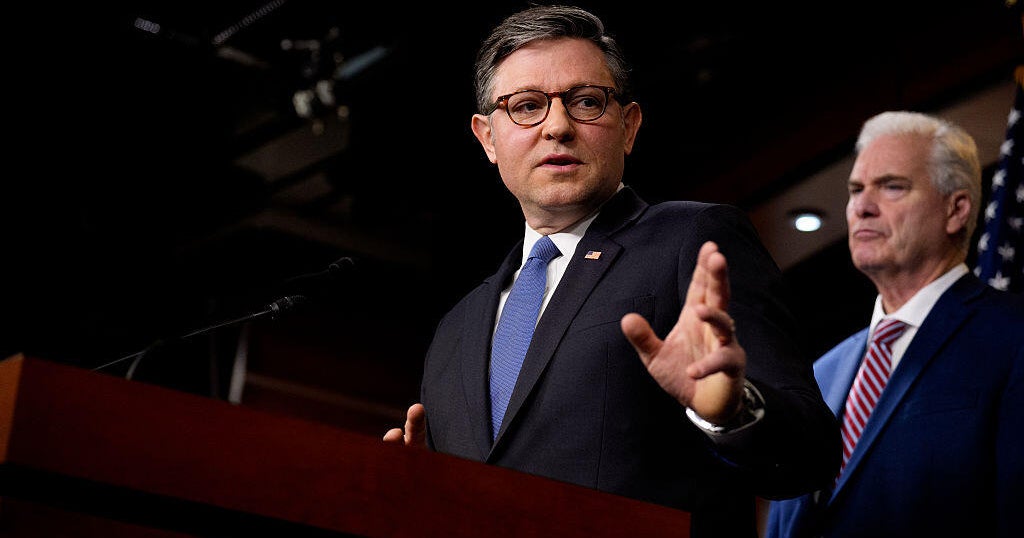
House Speaker Mike Johnson and other Republican leaders have been vocal about what they perceive as dangerous delays in funding the Department of Homeland Security. Johnson, representing Louisiana, released a statement emphasizing that military actions involving Iran make it “all the more urgent and crucial” to have a Department of Homeland Security that is both fully staffed and fully funded across all its various departments and agencies. By Wednesday, Johnson had escalated his rhetoric, accusing Democrats of “playing political games” with national security and calling it “shameful” that any lawmaker would vote against funding DHS during such a critical time. He painted a vivid picture of the current security environment, urging Americans and lawmakers alike to “be vigilant at home and to ensure that all of our doors are locked, so to speak.” Johnson stressed that everyone should understand that the country is operating in a “heightened threat environment,” where global tensions remain elevated, threats continue to evolve rapidly, and America’s adversaries are constantly watching for any indication of weakness or vulnerability. House Majority Leader Steve Scalise, also from Louisiana, reinforced these concerns by characterizing the ongoing shutdown as “dangerous,” particularly given the heightened security situation following recent events. He referenced a deadly shooting at an Austin, Texas bar over the weekend as evidence that threats aren’t merely hypothetical but very real and present dangers requiring a fully functioning Department of Homeland Security with all its capabilities operational.
The Funding Impasse and Ongoing Negotiations
The Department of Homeland Security’s funding officially lapsed on February 14, creating a partial shutdown that has affected thousands of workers and numerous government operations. At the heart of the dispute are fundamental disagreements between Democrats and the White House regarding appropriate restraints and oversight mechanisms for federal immigration agents. Both parties have been engaged in back-and-forth negotiations, exchanging counterproposals, though the specific details of these proposals have been kept from public view. Senate Minority Leader Chuck Schumer, representing New York, acknowledged that despite ongoing discussions, the two sides remain “still far apart” on reaching a compromise. He confirmed that negotiations continue with both sides “exchanging paper back and forth,” suggesting that while dialogue remains open, significant gaps persist in their positions. The Senate has already attempted twice to advance legislation that would fund the Department of Homeland Security through September, but both attempts failed to gain the necessary support. This legislative gridlock reflects the deep divisions not just between the two parties, but within the broader political conversation about immigration enforcement, federal authority, and civil liberties in contemporary America.
Democratic Demands for Reform
The tragic shooting deaths of Renee Good and Alex Pretti by federal agents in Minnesota in January became a turning point in this funding debate. Since that incident, Democratic lawmakers have maintained firm and unwavering demands for substantial reforms to how immigration enforcement agencies operate. Their proposed reforms include several specific measures designed to increase accountability and transparency: requiring all immigration agents to wear body cameras during enforcement activities, mandating that agents wear clear identification at all times, prohibiting agents from wearing masks that conceal their identities, and requiring judicial warrants before agents can make arrests on private property. These demands represent a significant shift in how Democrats are approaching immigration enforcement funding, moving from simply appropriating money to conditioning that funding on meaningful operational changes. Democrats argue that these reforms are necessary to prevent future tragedies and to ensure that federal agents operate with appropriate oversight and respect for civil liberties. While the political standoff has centered primarily on Immigration and Customs Enforcement (ICE) and Customs and Border Protection (CBP), it’s important to recognize that the Department of Homeland Security encompasses much more than immigration enforcement. DHS also oversees the Transportation Security Administration, which manages airport security nationwide; the Coast Guard, which protects maritime borders and conducts search and rescue operations; and the Federal Emergency Management Agency, which responds to natural disasters and other emergencies. The shutdown has real consequences for all these agencies, with workers who have continued performing their duties during the shutdown beginning to miss paychecks in recent days, adding human and financial costs to the political impasse.
Trump Administration’s Immigration Enforcement Continues
One of the ironies of this situation is that despite the Department of Homeland Security shutdown, the Trump administration’s aggressive immigration enforcement campaign has continued virtually uninterrupted. This continued operation has been made possible by a substantial multibillion-dollar cash infusion that Congress provided to ICE and CBP last summer as part of the One Big Beautiful Bill Act. This funding mechanism has allowed immigration enforcement activities to proceed even as other parts of DHS struggle with budget constraints and employee furloughs. This reality has frustrated Democrats who see their leverage diminished when the very agencies they’re trying to reform continue operating at full capacity. It also complicates the political messaging around the shutdown, as Republicans can argue that critical security functions continue while Democrats can point to the selective funding as evidence of misplaced priorities. The situation highlights the complex interplay between congressional appropriations, executive branch operations, and the various funding mechanisms that allow different government functions to operate under different financial authorities and timelines.
Democratic Response and Broader Political Context
House Minority Leader Hakeem Jeffries offered a particularly pointed response when asked about the Republican strategy of linking DHS funding to the recent strikes on Iran. Speaking at a news conference on Tuesday, the New York Democrat described “the whole thing as insane,” delivering a comprehensive critique of the administration’s priorities and decision-making. Jeffries argued that President Trump “launches an unauthorized war in the Middle East” which he then “characterizes as endless,” and makes a conscious decision to “spend billions of dollars to bomb Iran, rather than spend taxpayer dollars to lower the grocery bills that are crushing the American people.” Jeffries then connected these foreign policy decisions to domestic priorities, accusing Trump of wanting to “use his unauthorized war as an excuse to continue spending taxpayer dollars to brutalize or kill American citizens by continuing to unleash ICE without restriction on the American people.” His passionate statement concluded with a challenge: “Make it make sense, because it does not.” This response encapsulates the Democratic perspective that Republicans are creating artificial urgency around national security to avoid addressing legitimate concerns about immigration enforcement practices, civil liberties, and domestic priorities. Democrats view the Republican framing as an attempt to pressure them into abandoning their reform demands by invoking national security concerns. This fundamental disagreement about priorities—whether immediate security concerns should override demands for accountability and reform—lies at the heart of the ongoing impasse and shows no signs of easy resolution as both sides remain entrenched in their positions.