



White House Convenes Critical Meeting on Stablecoin Regulation and the Future of Cryptocurrency
A Pivotal Moment for Digital Currency Policy
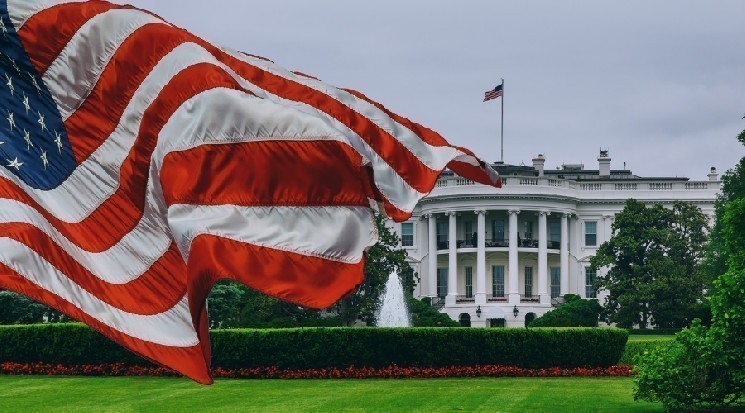
The cryptocurrency industry is approaching a watershed moment as the White House prepares to host a crucial discussion that could shape the future of digital assets in America. Eleanor Terrett, a prominent cryptocurrency journalist and host of the widely-followed “Crypto in America” program, recently revealed through her social media channels that senior White House officials are organizing a significant meeting with key players from both the cryptocurrency and traditional banking sectors. This gathering, scheduled for 6:00 PM UTC (1:00 PM Eastern Time), represents a rare convergence of government officials, crypto innovators, and financial establishment representatives to tackle one of the most contentious issues facing the digital currency landscape: the regulation of stablecoins and specifically whether these digital assets should be permitted to generate interest and rewards for their holders.
The timing of this meeting is particularly significant as it comes at a moment when the cryptocurrency industry is seeking greater clarity and legitimacy within the American financial system. Stablecoins, which are digital currencies designed to maintain a stable value by being pegged to traditional assets like the U.S. dollar, have grown exponentially in recent years and now represent a multi-billion dollar segment of the crypto economy. They serve as essential infrastructure for the broader cryptocurrency market, facilitating trading, cross-border transactions, and increasingly, everyday commercial activities. However, the regulatory framework surrounding these instruments remains murky, creating uncertainty for both users and institutions looking to participate in this evolving financial ecosystem.
Understanding the CLARITY Act and Its Implications
At the heart of this White House meeting lies the “CLARITY Act,” a proposed piece of legislation currently under consideration in the United States Senate that aims to establish a comprehensive market structure for cryptocurrencies. The CLARITY Act, whose name suggests its primary purpose of providing regulatory certainty to the crypto industry, represents one of the most ambitious attempts yet by American lawmakers to create a workable framework for digital assets. The bill seeks to address numerous gray areas that have plagued the cryptocurrency sector for years, including questions about which regulatory agencies should oversee different types of digital assets, how consumer protections should be implemented, and what operational standards crypto companies should meet.
The specific focus of today’s meeting—whether stablecoins should be allowed to offer interest or reward payments to holders—cuts to the core of how these digital currencies will function in the broader financial system. This seemingly technical question actually carries enormous implications for competition between traditional banks and cryptocurrency platforms, for consumer choice in how people store and grow their wealth, and for the fundamental nature of what stablecoins are and how they should be regulated. If stablecoin issuers are permitted to offer yields on these assets, they could potentially compete more directly with traditional savings accounts and money market funds, disrupting established banking business models. Conversely, prohibiting such yields might limit the utility and attractiveness of stablecoins, potentially hampering innovation and consumer adoption of these technologies.
The Cryptocurrency Industry’s Representation at the Table
The guest list for this White House meeting reads like a who’s who of the cryptocurrency industry, with representation from some of the sector’s most influential and established players. Major cryptocurrency exchanges including Coinbase, Ripple, and Kraken are expected to send officials to participate in the discussions. These companies represent different facets of the crypto ecosystem: Coinbase operates the largest regulated cryptocurrency exchange in the United States, serving millions of retail and institutional customers; Ripple has pioneered blockchain-based payment solutions and has been at the forefront of discussions about digital currency regulation (while also fighting a high-profile legal battle with the SEC); and Kraken has established itself as a major exchange with a strong focus on security and regulatory compliance.
Beyond these individual companies, the meeting will also include representatives from important industry organizations that advocate for the cryptocurrency sector’s interests. The Blockchain Association, the Digital Chamber of Commerce, and the Crypto Innovation Council are all expected to have seats at the table, bringing collective perspectives that represent hundreds of companies and thousands of industry participants. These advocacy groups have been instrumental in helping policymakers understand the technical complexities of blockchain technology and cryptocurrency, while also pushing for regulatory frameworks that promote innovation while protecting consumers. Their participation suggests that the White House is taking a comprehensive approach to this consultation, seeking input not just from individual corporate interests but from organizations that represent broader industry viewpoints and can speak to the concerns of smaller startups and emerging players in the space.
Limited Banking Sector Participation Raises Questions
Perhaps one of the most striking aspects of this meeting is the notably limited participation from the traditional banking sector, which has often viewed cryptocurrency as both a competitive threat and a regulatory headache. According to Eleanor Terrett’s reporting, the American Bankers Association will represent the banking industry’s interests at the meeting, but this means that major financial institutions like JPMorgan Chase and Goldman Sachs—banks that have trillions of dollars in assets and enormous influence over American financial policy—will not have direct representation at the table. This absence is particularly noteworthy given that these very institutions have been developing their own blockchain initiatives and cryptocurrency services, and that decisions made about stablecoin regulation could significantly impact their business models and competitive positioning.
The limited banking participation could reflect several dynamics at play. Traditional banks may be approaching cryptocurrency regulation with caution, preferring to let industry associations speak on their behalf rather than being seen as taking strong public positions on these contentious issues. Alternatively, it might indicate that the crypto-specific nature of this discussion doesn’t warrant CEO-level attention from banking giants, who may view it as a relatively minor policy matter compared to their broader concerns. Whatever the reason, this asymmetry in representation—with multiple crypto companies and organizations present but banking interests channeled through a single trade association—could influence the tenor of the discussions and potentially give cryptocurrency advocates a stronger voice in shaping the conversation around stablecoin yields.
The Core Debate: Should Stablecoins Pay Interest?
The central question of whether stablecoins should be permitted to offer interest or rewards to holders is far more complex than it might initially appear, touching on fundamental questions about monetary policy, financial competition, and consumer protection. Proponents of allowing stablecoin yields argue that these payments simply reflect the economic reality of how stablecoins function: when users hold stablecoins, the issuers typically invest the backing assets (usually dollars or treasury securities) in interest-bearing instruments, generating returns that could be shared with users. Prohibiting this sharing of returns, advocates argue, would essentially allow stablecoin issuers to pocket all the interest income generated by user deposits without compensating those users—a arrangement that seems unfair and could discourage adoption of these technologies.
On the other hand, those cautious about or opposed to stablecoin yields raise several concerns. Traditional banks are subject to extensive regulation, capital requirements, and consumer protection rules in exchange for their ability to take deposits and pay interest—should crypto companies receive the same privileges without the same regulatory burdens? There are also concerns about systemic risk: if stablecoins begin competing aggressively with banks for deposits by offering attractive yields, could this drain funding from the traditional banking system in ways that could create financial instability? Additionally, some worry that allowing yields on stablecoins could blur the line between these instruments and securities or investment products, potentially bringing them under different regulatory regimes or creating confusion for consumers about the risks they’re taking. These competing perspectives will likely dominate today’s White House meeting as stakeholders seek to find a framework that balances innovation, competition, and stability.
Looking Forward: The Path to Cryptocurrency Clarity
This White House meeting represents more than just a discussion about a single regulatory question—it symbolizes a broader maturation of the relationship between the cryptocurrency industry and the U.S. government. For years, crypto advocates have complained that American regulatory approaches have been inconsistent, with different agencies claiming jurisdiction over various aspects of the industry and enforcement actions sometimes serving as the primary means of defining regulatory boundaries. The CLARITY Act and meetings like today’s consultation suggest a shift toward a more deliberative, legislative approach to crypto regulation, where rules are established through transparent policy processes rather than after-the-fact enforcement.
The outcome of this meeting and the ultimate fate of provisions regarding stablecoin yields in the CLARITY Act will likely have implications far beyond the immediate question at hand. They will signal whether the United States is positioning itself to be a welcoming environment for cryptocurrency innovation or whether it will take a more restrictive approach that might push companies and development activity to more permissive jurisdictions. As Eleanor Terrett’s reporting highlights, the conversations happening today involve real decisions about the future of finance, with representatives from emerging crypto companies sitting alongside government officials to hash out the rules that will govern a technology that didn’t exist two decades ago but now moves billions of dollars daily. While this is definitely not investment advice, it is certainly a moment worth watching for anyone interested in the future of money, technology, and financial regulation in America.