




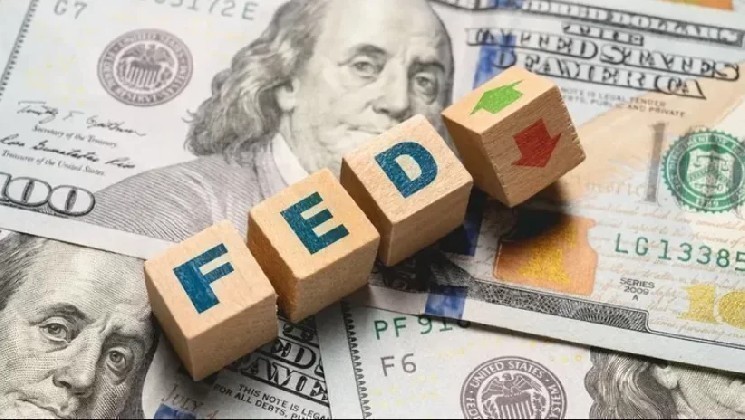

Understanding the Federal Reserve’s Interest Rate Dilemma Amid Middle East Tensions
The Perfect Storm: Geopolitics Meets Economic Policy
The global economic landscape is currently facing a complex web of challenges that’s keeping financial experts and everyday Americans on edge. At the center of this uncertainty is the escalating tension between the United States and Iran, coupled with broader instability across the Middle East region. These geopolitical developments aren’t just making headlines—they’re directly impacting your wallet through rising oil prices and creating serious questions about what the Federal Reserve will do next with interest rates.
When conflicts flare up in oil-producing regions, the world’s energy markets react almost immediately. Oil prices have been climbing rapidly, and this isn’t just bad news for drivers filling up at the pump. Higher energy costs ripple through the entire economy, affecting everything from the price of groceries (because trucks need fuel to deliver food) to airline tickets to manufacturing costs. This surge in oil prices has reignited concerns about inflation—that economic phenomenon where your money doesn’t stretch as far as it used to because prices keep going up. For the Federal Reserve, which has spent the past couple of years fighting to bring inflation down from its recent highs, these developments present a particularly thorny problem that could force them to reconsider their entire game plan.
What the Experts Are Predicting
To get a sense of where the economy might be headed, Reuters recently surveyed 96 professional economists—the people who study economic trends for a living and advise governments and businesses on financial matters. Their collective wisdom offers some interesting insights, though it’s worth noting that even experts don’t always agree, and economic forecasting is notoriously tricky business.
The majority of these economists—63 out of 96 to be exact—believe the Federal Reserve will cut interest rates by a quarter of a percentage point (that’s 25 basis points in financial speak) sometime in the next quarter. This would bring the federal funds rate down to a range of 3.25% to 3.50%. What’s particularly noteworthy is that this represents growing confidence in rate cuts compared to just a month earlier. In February, only 51 out of 101 economists predicted a rate cut, so sentiment has clearly shifted toward expecting some relief on the interest rate front.
The March Meeting and Summer Expectations
Looking at the immediate future, there’s essentially unanimous agreement among economists about what will happen at the Federal Reserve’s upcoming meeting on March 18. Every single economist surveyed expects the Fed to maintain the status quo, keeping interest rates right where they are at 3.50% to 3.75%. This isn’t particularly surprising—central banks typically don’t make sudden moves, and the Fed has been signaling a patient, wait-and-see approach as they assess how the economy is performing and whether inflation is truly under control.
However, when economists look ahead to June, the picture becomes more interesting. Roughly two-thirds of the surveyed experts anticipate that by mid-year, the Federal Reserve will be ready to make a move, reducing interest rates to the 3.25% to 3.50% range. This would represent the first cut in what many hope will be a gradual easing cycle, potentially making borrowing cheaper for mortgages, car loans, business investments, and credit cards. For average Americans, this could translate to meaningful relief if you’re carrying debt or planning major purchases that require financing. On the flip side, it might mean slightly lower returns on savings accounts and certificates of deposit, though rates would likely remain historically decent.
The Case for Staying Put
Not everyone is convinced that rate cuts are coming soon, though. Among a smaller subset of 37 economists who were asked a more specific question about the risks to their forecasts, 29 said they thought it was more likely that the Federal Reserve would keep interest rates steady for a longer period than currently expected. This more cautious view reflects genuine concerns about the inflation picture and whether it’s really safe for the Fed to start easing monetary policy.
These economists worry that cutting rates too soon could be like taking your foot off the brake before you’ve fully stopped the car. If inflation hasn’t been completely tamed, reducing interest rates could give it new life, potentially forcing the Fed to reverse course later—something that would be embarrassing for the central bank and potentially destabilizing for financial markets. The ongoing situation in the Middle East and rising oil prices add weight to these concerns, since energy costs are a major component of overall inflation. Nobody wants to see a return to the painful inflation rates of 2022 and early 2023, when prices were rising at the fastest pace in four decades, eroding purchasing power and making it harder for families to make ends meet.
What This Means for the Year Ahead
When you look at the median prediction from the survey—essentially the middle-ground estimate when you line up all the economists’ forecasts—the outlook suggests we’ll see two interest rate cuts by the time we’re putting up Christmas decorations this year. This would represent a measured, cautious approach by the Federal Reserve, testing the waters with gradual reductions rather than making aggressive cuts all at once.
Two quarter-point cuts would bring the federal funds rate down to somewhere around 3.00% to 3.25% by year’s end, assuming the Fed starts cutting in June and makes one additional reduction later in the year. This would still leave interest rates well above the near-zero levels we saw during the pandemic and the years following the 2008 financial crisis, but it would provide some breathing room for the economy and relief for borrowers. It represents a balancing act: loose enough to support continued economic growth and job creation, but tight enough to keep inflation from making an unwelcome comeback.
The Bottom Line for Your Financial Planning
For those of us trying to make smart financial decisions rather than predict monetary policy, what does all this mean? First, it’s important to remember that economic forecasts are educated guesses, not certainties. The disclaimer at the end of the survey results—”This is not investment advice”—exists for good reason. Economic conditions can change rapidly based on geopolitical events, unexpected economic data, or shifts in financial markets.
That said, the general direction seems to point toward gradual interest rate relief over the coming months, assuming the Middle East situation doesn’t deteriorate further and oil prices stabilize or retreat. If you’re carrying variable-rate debt, you might see some modest relief by late summer or fall. If you’re shopping for a mortgage or considering refinancing, waiting a few months might result in slightly better rates, though trying to time the market perfectly is always risky. For savers, current interest rates on savings accounts and CDs remain attractive by historical standards, so locking in these rates before they potentially decrease might be worth considering. Most importantly, the best financial strategy remains focusing on what you can control: building emergency savings, managing debt responsibly, and making investment decisions based on your long-term goals rather than short-term predictions about Federal Reserve policy. The economy will always face uncertainties, but sound personal financial habits provide stability regardless of what central banks decide.









