
US Navy to Escort Oil Tankers Through Strait of Hormuz Amid Rising Tensions
Military Response to Iranian Closure of Strategic Waterway
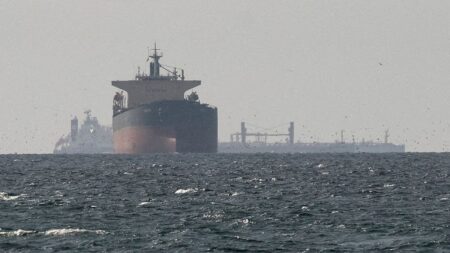
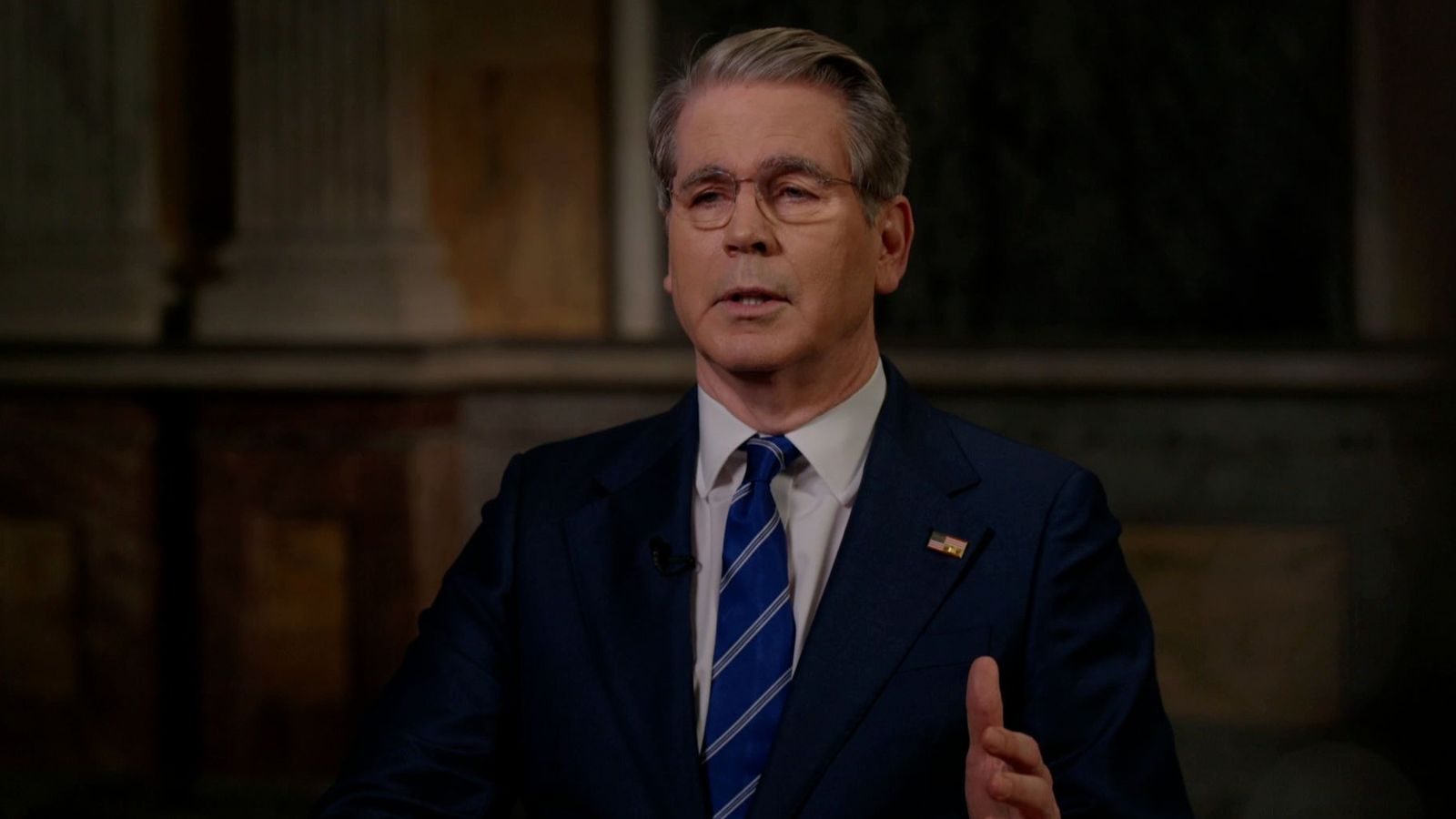
In a significant development that could reshape the current conflict in the Middle East, US Treasury Secretary Scott Bessent has confirmed to Sky News that the United States Navy will be deploying forces to escort oil tankers through the Strait of Hormuz. This announcement comes in direct response to Iran’s new supreme leader, Mojtaba Khamenei, who declared on Thursday his intention to effectively close this critical waterway as a form of leverage against the United States and Israel. The stakes couldn’t be higher – the Strait of Hormuz serves as a vital chokepoint through which approximately 20% of the world’s oil supplies passes, making it one of the most strategically important maritime passages on the planet. Speaking with Sky News’ Wilfred Frost, Bessent stated his belief that “as soon as it is militarily possible, the US Navy, perhaps with an international coalition, will be escorting vessels through.” He also noted that some vessels, including Iranian tankers and Chinese-flagged ships, are currently passing through the strait, indicating that the waterway hasn’t been mined. However, the timing of this military operation remains uncertain, with US Energy Secretary Chris Wright telling CNBC that while action will happen “relatively soon,” the US is “simply not ready” to begin escorting operations immediately.
Economic Shockwaves and Global Market Response
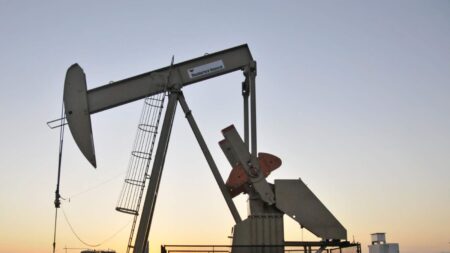
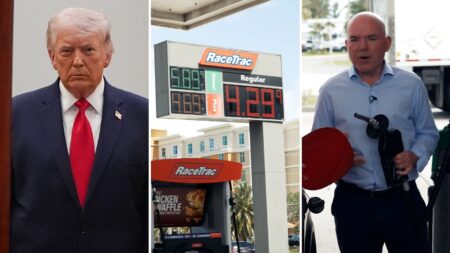
The geopolitical tensions surrounding the Strait of Hormuz have sent immediate shockwaves through global financial markets, with oil prices surging back above the psychologically significant $100 per barrel mark. Stock markets worldwide experienced sharp declines on Thursday as investors grappled with the implications of a potentially prolonged disruption to global oil supplies. What makes this price spike particularly remarkable is that it occurred despite an unprecedented announcement just one day earlier that developed countries would release a staggering 400 million barrels of oil from their strategic petroleum reserves, with nearly half of that amount coming from United States stockpiles. This massive release was intended to calm markets and ensure adequate supply, but Iran’s aggressive posture effectively negated those efforts. The economic impact of the conflict is already substantial, with Treasury Secretary Bessent revealing during his interview that the war has already cost the United States approximately $11 billion. When pressed by interviewer Wilfred Frost about whether there might be a price point at which he would need to confront President Donald Trump about the war’s affordability, Bessent was unequivocal in his response: “Absolutely not,” suggesting that the administration views the conflict as a necessary expenditure regardless of cost.
Diplomatic Tensions Between Washington and London
The ongoing conflict has exposed significant strains in the historically close relationship between the United States and the United Kingdom, often referred to as the “special relationship.” President Trump publicly criticized the UK last week, expressing frustration that America doesn’t need anyone to “join wars after we’ve already won,” following Prime Minister Sir Keir Starmer’s initial reluctance to allow the US to launch attacks on Iran from British military bases. The prime minister later reversed this position, granting the United States permission to use British facilities for what were characterized as “defensive” actions against Iranian missile sites. However, Treasury Secretary Bessent, who has previously lived in London and presumably understands the nuances of Anglo-American relations, made clear that the initial delay had practical military consequences. He explained that the main concern was access to Diego Garcia, a British-controlled military base in the Indian Ocean, and that without it, US B-2 bombers were forced to complete grueling 37-hour round-trip missions rather than the approximately three-and-a-half-hour flights that would have been possible from Diego Garcia, requiring constant mid-air refueling. Bessent emphasized that “any delay causes an increase in risk,” and that President Trump, as commander-in-chief, takes his responsibility for the lives of American servicemen extremely seriously, which explains the president’s strong reaction to the UK’s hesitation.
Supreme Leader’s Defiant Message and Escalating Violence
As the war approaches its two-week mark, Iran’s new supreme leader Mojtaba Khamenei delivered a fiery inaugural address that promised retaliation for US-Israeli attacks and vowed he “will not refrain from avenging” the blood of Iranian “martyrs.” This defiant message came as a new wave of Israeli strikes hit Beirut, demonstrating that the conflict continues to expand and intensify rather than move toward any diplomatic resolution. Iran’s strategy of targeting shipping traffic and energy infrastructure in the Persian Gulf represents a dramatic escalation that threatens not just regional stability but global economic security. The bombardment has created a climate of fear among commercial shipping companies, many of which are now reluctant to send their vessels through the strait without military protection. The situation represents a classic example of asymmetric warfare, where Iran, unable to match US military power directly, instead targets the economic infrastructure that underpins Western prosperity. Khamenei’s rhetoric suggests that Iran views the control of the Strait of Hormuz as perhaps its most powerful bargaining chip in negotiations with the West, and the regime appears willing to risk significant international backlash to maintain this leverage.
Congressional Investigations and Diplomatic Fallout
Adding another layer of complexity to the UK-US relationship are ongoing congressional investigations that have ensnared prominent British figures. Lord Peter Mandelson, who was recently dismissed from his position as the UK’s ambassador to the United States, and Prince Andrew, the Duke of York, have both been connected to convicted sex offender Jeffrey Epstein, leading to calls for them to testify before Congress. The House Committee on Oversight and Government Reform specifically requested Andrew to cooperate with its investigation into Epstein’s sex trafficking operations as far back as November, but the Duke failed to respond to their request for an interview. Both Lord Mandelson and Prince Andrew have previously denied any wrongdoing related to their associations with Epstein, but the issue continues to cast a shadow over diplomatic relations. When asked whether these individuals should be compelled to testify to Congress, Treasury Secretary Bessent deflected direct commentary, stating “That’s a matter for Congress,” but added that “If Congress requests for you to come, you should come.” This diplomatic but firm statement suggests the Trump administration expects cooperation from British nationals when formally requested by US legislative bodies, regardless of their status or connections.
Looking Ahead: Uncertain Path Forward
The interview with Treasury Secretary Bessent was itself interrupted by the urgent demands of crisis management, with an aide informing him that “The president wants you,” leading Bessent to spend approximately two hours in the White House Situation Room, the secure intelligence facility in the West Wing where presidents manage national security crises. When the interview resumed and Bessent was asked if the naval escort mission had been discussed during that meeting, he carefully avoided confirmation while not denying it either, responding diplomatically: “Your words, not mine.” Interviewer Wilfred Frost noted afterward that while markets aren’t currently expecting the safe passage of ships through the Strait of Hormuz “in any meaningful way in the days ahead,” Bessent’s carefully worded implications during the interview might suggest that such operations could begin sooner than many anticipate. Despite the current tensions between Washington and London, Bessent expressed optimism that the relationship would ultimately recover, acknowledging the “great historical relationship” between the two nations and suggesting that while there will inevitably be “some bumps in the road,” he believes the partnership will “eventually get back on track.” As global markets continue to react to these rapidly evolving events and military planners work to establish safe shipping corridors through one of the world’s most contested waterways, the coming days and weeks will likely prove critical in determining whether this crisis can be contained or will spiral into a broader regional conflict with even more severe global economic consequences.