
Hollywood’s Moment of Triumph and Uncertainty: The Warner Bros-Paramount Merger
A Historic Oscar Night Shadowed by Industry Upheaval
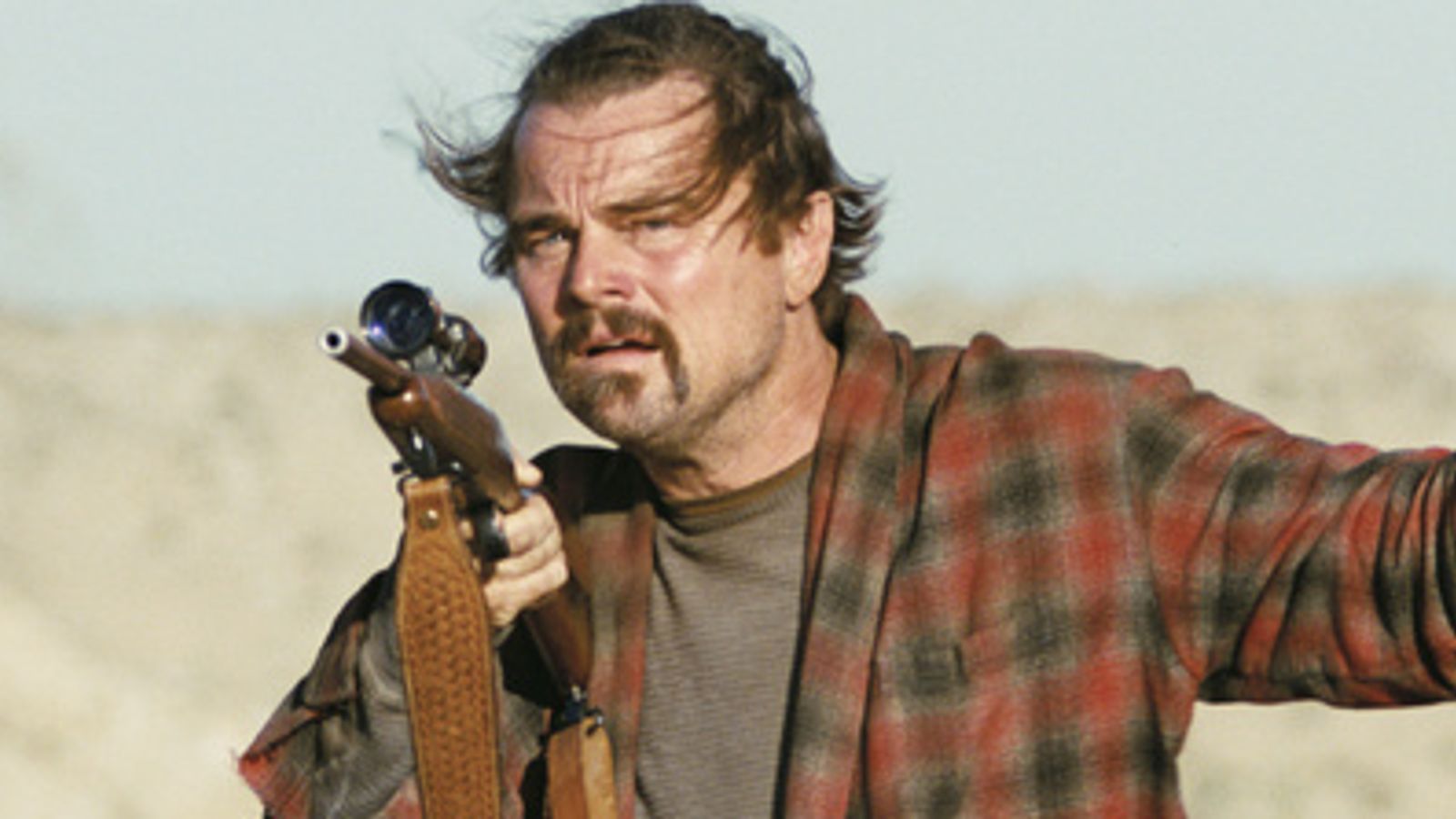
This weekend’s Academy Awards ceremony promises to be a triumphant celebration for Warner Brothers, with the studio leading the pack with an impressive 30 Oscar nominations—more than any other competitor in the industry. Two films in particular have positioned the studio for potential glory: the gritty crime drama “One Battle After Another” and the period vampire horror “Sinners,” which alone has garnered a record-breaking 16 nominations. These films represent the pinnacle of Warner Brothers’ creative achievement and filmmaking prowess, showcasing the studio’s continued ability to produce compelling, award-worthy content that resonates with both critics and audiences. However, beneath the glittering surface of this Oscar success lies a profound uncertainty that has the entire industry on edge. After a century of wielding enormous influence in Hollywood, Warner Brothers stands on the precipice of a monumental change—a potential takeover so massive it could fundamentally alter not just the studio’s future, but the entire structure, power dynamics, and creative landscape of Hollywood itself. This juxtaposition of celebration and anxiety perfectly encapsulates the current state of the entertainment industry, where artistic achievement exists alongside corporate consolidation and financial maneuvering.
The Mega-Deal That Could Reshape Hollywood
The proposed merger between Paramount and Skydance represents one of the most significant consolidations in Hollywood history, with an eye-watering price tag of $110 billion, pending regulatory reviews and approvals. This deal would unite two of the city’s five legacy studios—institutions that have shaped American cinema for generations—into a single massive entertainment entity. The scale of this transaction is difficult to overstate; it represents not just a business deal but a potential fundamental restructuring of how Hollywood operates. Industry observers and insiders are watching nervously to see what happens after the confetti settles from Sunday’s Oscar ceremony, as the real drama may unfold in boardrooms and regulatory offices rather than on red carpets. Brian Welk, senior business reporter for entertainment site IndieWire, captured the paradox perfectly: “This is a very exciting time for Warner Brothers. They are most likely going to win best picture with one of their two films, and yet we don’t know the future of what the film people in charge will be able to do moving forward, or will they still be around or still have that same autonomy?” This uncertainty extends beyond just the executives to the thousands of creative professionals who depend on these studios for their livelihoods and artistic outlets.
Political Connections and Regulatory Hurdles
Adding another layer of complexity to this already intricate situation is the political dimension of the deal. Paramount is now led by David Ellison, son of billionaire Larry Ellison, and the company has notable political connections to the Trump administration. While such connections might seem advantageous in navigating the regulatory approval process, they’ve actually intensified scrutiny from both sides of the political aisle. Democrats and Republicans alike have expressed serious concerns that this consolidation could result in higher prices for consumers and fewer choices in an already consolidating media market. The deal remains subject to approval from various regulators, including the Department of Justice, which has the authority to block mergers it deems harmful to competition and consumers. This bipartisan skepticism is relatively unusual in today’s polarized political environment, suggesting that the concerns about this merger transcend typical partisan divides. The regulatory review process could take months or even longer, leaving everyone in the industry in a state of limbo, unable to plan for the future with any certainty about what the corporate structure of Hollywood will look like in the coming years.
Job Losses and the Future of Production
Beyond the boardroom implications, this merger poses very real and immediate threats to thousands of workers throughout the entertainment industry. Cinema operators, industry analysts, and labor representatives have all raised alarms about the potential consequences of combining two large Hollywood studios. The practical concerns are substantial and concrete: Warner Brothers and Paramount both maintain large production facilities—”lots”—in Hollywood, and many industry observers are questioning whether a merged entity would maintain both expensive properties or consolidate operations to cut costs. Brian Welk articulated these fears: “These are two very aligned companies that have a lot of similar structures. They have two lots that are both in Hollywood. There’s many people who are wondering, are Paramount and Warner Brothers even going to keep both lots? Are they going to lay off thousands of people?” The potential for massive job losses extends beyond just studio employees to the entire ecosystem of freelance workers, contractors, and service providers who depend on studio production for their income. Additionally, there are serious concerns that a merged entity might reduce the total number of films released in theaters, which would have ripple effects throughout the industry, affecting everyone from actors and crew members to theater owners and auxiliary businesses.
Union Opposition and Worker Protection
The gravity of the situation became even more apparent when the International Brotherhood of Teamsters, one of the most powerful labor unions in the country, formally intervened in the regulatory process. On Thursday, the union announced it had submitted a report to the Department of Justice warning that the proposed takeover posed “a direct threat to film and television workers nationwide,” including approximately 15,000 of its own members working in the entertainment industry. The Teamsters have called for the deal to be completely blocked unless “substantial and enforceable safeguards are put in place to increase domestic production and protect jobs.” Teamsters general president Sean M. O’Brien didn’t mince words in his assessment: “This merger threatens the livelihoods of the very workers who built these studios into industry giants. We’ve seen what happens when corporations consolidate power: jobs disappear, production leaves American communities, and workers pay the price. The DoJ has a responsibility to stop deals that eliminate competition and harm working families.” This labor opposition adds significant weight to the regulatory review process and highlights the human cost of corporate consolidation in an industry that has already seen substantial disruption from streaming services, changing consumer habits, and the ongoing challenges of the post-pandemic entertainment landscape.
Looking Toward an Uncertain Future
Despite the uncertainty—or perhaps because of it—some industry leaders are trying to maintain optimism while acknowledging the challenges ahead. At the Oscar Wilde Awards, an event hosted by the US-Ireland Alliance in the lead-up to the Oscars, prominent filmmaker JJ Abrams, best known for rebooting Star Trek and directing two Star Wars films, offered his perspective on the current state of the industry. “I think it’s not necessarily human nature to realize that things can settle and things can get better and I feel like staying hopeful is very important. Doing the best work you can is really important,” Abrams said, before addressing more specific concerns: “There are so many brilliant people here and I hope that, especially in Hollywood, that we’re able to allow for production with tax incentives to remain here, for post-production to remain here. There’s so much work and so much brilliant talent in the city that is really not getting a chance because productions are choosing to go elsewhere because of incentives.” Abrams’ comments reflect a broader concern in the industry about the “runaway production” phenomenon, where films and television shows are increasingly shot outside of California and even outside the United States to take advantage of tax incentives and lower costs. The Warner Brothers-Paramount merger could potentially accelerate this trend if the combined entity decides to pursue aggressive cost-cutting measures. While the deal is not yet finalized and faces significant regulatory hurdles, its implications for Hollywood are enormous—affecting not just the American film industry but the entire global media landscape. Warner Brothers will certainly enjoy its moment of glory at Sunday’s Oscar ceremony, basking in the recognition of its artistic achievements, but industry insiders know that the awards ceremony may represent the end of an era. The ceremonies to come could look very different, reflecting a Hollywood transformed by consolidation, changing economics, and an uncertain creative future.