
UK Economy Faces Fresh Uncertainty as Middle East Conflict Threatens Recovery
Modest Growth Clouded by Global Tensions
The United Kingdom’s economy showed signs of life in early 2024, growing by a modest 0.2% during the three months leading up to January, according to figures released by the Office for National Statistics. However, this glimmer of hope comes with a significant caveat—the economy registered absolutely no growth during January itself, painting a picture of an economy treading water rather than surging ahead. What’s more concerning is that the outlook for the months ahead has become increasingly murky, overshadowed by the escalating conflict in the Middle East and its potential to disrupt global energy markets and trigger another wave of inflation across the world. The economic data revealed that while industrial production and services sectors managed to post better performances during January, the construction industry continued to struggle, hampered by persistently wet weather that made it difficult for building projects to progress. The overall three-month figure showed only a marginal improvement, falling short of what many economists had predicted. Before these statistics were released, there had been optimism among financial experts that the economy would gain more substantial momentum following the conclusion of pre-budget speculation that had hung over the markets in November 2023. Instead, what we’re seeing is an economy that remains fragile and vulnerable to external shocks, struggling to find its footing in an increasingly unstable global environment.
The Subdued Economic Picture
Liz McKeown, the ONS director of economic statistics, provided a sobering assessment of the nation’s economic health when she described the overall picture as “subdued, with no growth in the latest month.” This characterization reflects the reality that many British households and businesses are experiencing—a sense of economic stagnation where things aren’t necessarily getting worse, but they certainly aren’t getting better either. The economy appears to be caught in a holding pattern, unable to generate the kind of robust growth that would meaningfully improve living standards or create substantial new employment opportunities. This lackluster performance is particularly disappointing given that the UK had been hoping to put behind it the economic turbulence of recent years, including the aftershocks of Brexit, the COVID-19 pandemic, and the energy crisis triggered by Russia’s invasion of Ukraine. Just as the nation seemed to be emerging from these challenges, a new threat has emerged that could derail whatever modest progress has been made. The timing couldn’t be worse, as families across the country are still grappling with the cost-of-living crisis that has squeezed household budgets and forced many to make difficult choices about heating, food, and other essentials.
Middle East Conflict Reshapes Economic Outlook
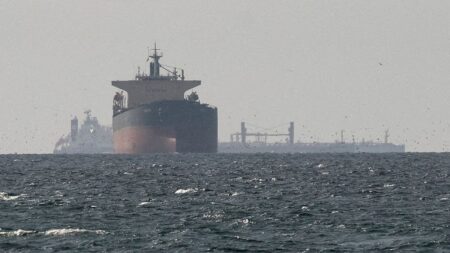
The trajectory of the UK economy for 2024 has been thrown into serious doubt following military strikes by the United States and Israel against Iran at the end of February. This dramatic escalation in Middle Eastern tensions has sent shockwaves through global financial markets and raised alarm bells among economists who fear that the world may be on the brink of another energy-led inflation crisis similar to what occurred following Russia’s invasion of Ukraine. The concern isn’t merely theoretical—it’s based on the very real disruption already occurring in global energy markets. Iran’s retaliatory actions have included attacks on the energy infrastructure of Gulf nations, targeting the oil and gas facilities that are crucial to keeping the world economy supplied with affordable energy. Most dramatically, the Iranian regime has effectively closed the Strait of Hormuz, one of the world’s most critical shipping lanes for oil transportation. This strategic waterway typically carries approximately one-fifth of the world’s oil supplies, and its closure has immediately removed an enormous amount of energy resources from global markets. The consequences of this supply disruption have been swift and severe, with energy prices spiking dramatically and sending ripples of concern through economies worldwide, including the UK.
Energy Prices Surge Again
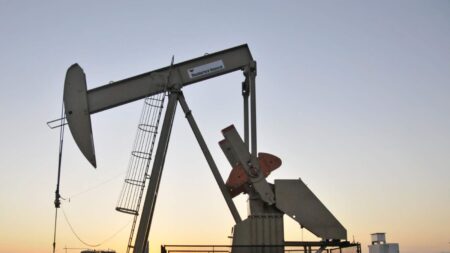
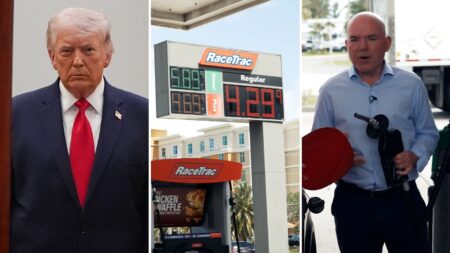
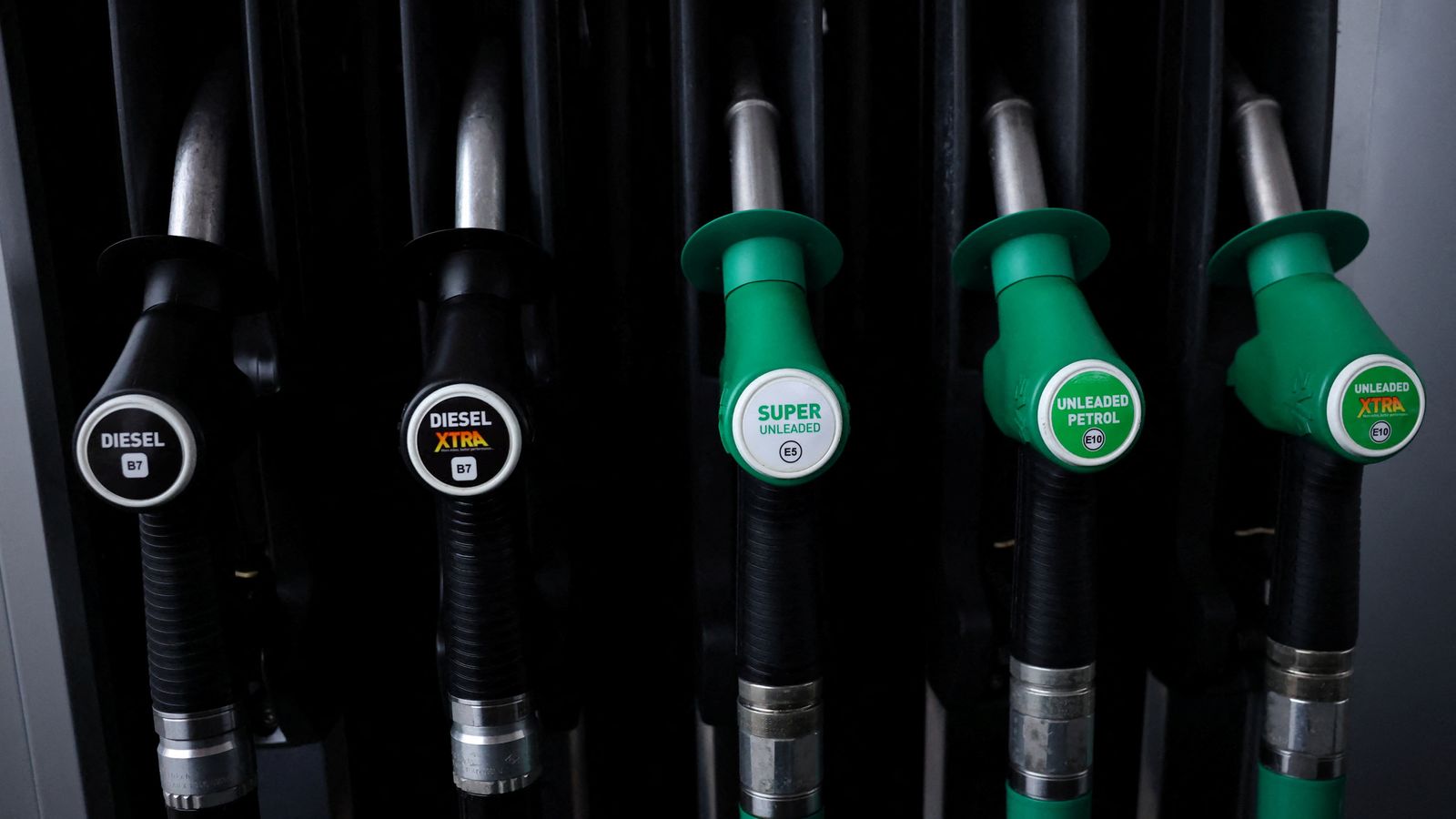
The impact on energy markets has been nothing short of dramatic. Brent crude oil, the international benchmark for oil prices, has skyrocketed by more than 50% this month alone—a staggering increase that brings back painful memories of the energy crisis that followed Russia’s invasion of Ukraine. Meanwhile, wholesale natural gas prices for delivery to the UK have surged by an eye-watering 70%, representing an enormous increase in the cost of heating homes and powering businesses across the nation. These aren’t abstract figures that only matter to traders and economists—they translate directly into real-world pain for ordinary people and businesses. British consumers are already feeling the pinch at the petrol pumps, where fuel prices have jumped as retailers quickly passed on the increased costs of crude oil. The speed at which these price increases hit consumers highlights just how vulnerable household budgets are to global energy market fluctuations. For families who were just beginning to recover from the previous cost-of-living crisis, this represents another devastating blow to their financial wellbeing. Beyond fuel costs, households looking to secure new fixed-rate energy deals for their homes are discovering that prices have already climbed significantly higher, making it more expensive to heat and power homes. The housing market is feeling the effects too, with average new two and five-year fixed mortgage rates shooting back above 5% this week, a development that will price some prospective homebuyers out of the market and increase costs for those whose existing fixed-rate deals are coming to an end.
Bank of England’s Dilemma Deepens
The surge in mortgage rates reflects growing expectations among financial markets that the Bank of England may be forced to raise its benchmark interest rate this year in an effort to prevent these fresh price pressures from becoming permanently embedded in the economy. This represents a complete reversal of what had been expected just weeks earlier. Before the Middle East conflict escalated, the Bank of England was widely anticipated to cut borrowing costs at its next policy meeting scheduled for March 19th, based on encouraging progress in bringing inflation down from its current level of 3% toward the Bank’s 2% target. Now, those expectations have been turned on their head as policymakers face the prospect of rising inflationary pressures driven by soaring energy costs. This puts the Bank in an extremely difficult position, forced to choose between supporting economic growth by keeping interest rates low or fighting inflation by raising them. The concern is that if the Bank doesn’t act decisively to combat inflation, the temporary spike in energy prices could lead to more persistent inflation as workers demand higher wages to compensate for increased living costs, and businesses raise prices across the board. This is precisely the scenario that played out in 2022 following Russia’s invasion of Ukraine, when higher energy prices rippled through supply chains and fed into the cost of almost all goods and services through elevated production and delivery costs. That experience taught policymakers that what initially appears as a temporary energy price shock can quickly morph into broader, more entrenched inflation that takes years to bring back under control.
Uncertain Future Depends on War’s Duration
How this situation ultimately unfolds will depend largely on factors outside the UK’s control, particularly the duration of the Middle East conflict and the energy industry’s ability to repair damaged infrastructure and restore normal production and delivery patterns across the region. Professor Joe Nellis, who serves as economic adviser at the advisory firm MHA, captured the sense of disappointment and concern when he commented on the latest ONS data: “The UK economy flatlined in January, signalling an underwhelming start to the year. But economic expectations have been thrown out the window by events in the Middle East, as threats of supply chain disruption and rising inflation rear their head again.” He went on to highlight the multiple dimensions of the challenge facing the nation: “Growing inflation will not only hit consumers struggling from the cost-of-living crisis but also has the potential to seriously undermine the Government’s plan for growth.” This observation underscores the interconnected nature of the problems facing the UK economy—higher inflation doesn’t just make life harder for individual families, it also undermines business confidence, reduces investment, and makes it harder for the government to achieve its economic objectives. For ordinary British citizens, the message is sobering: just as there seemed to be light at the end of the tunnel, with inflation falling and the possibility of interest rate cuts on the horizon, global events have once again intervened to make the economic outlook more challenging and uncertain. The coming months will be crucial in determining whether this proves to be a temporary setback or the beginning of another prolonged period of economic difficulty.