


TrumpRx: A Closer Look at the New Prescription Drug Discount Platform
Introduction: Bold Claims Meet Cautious Reality
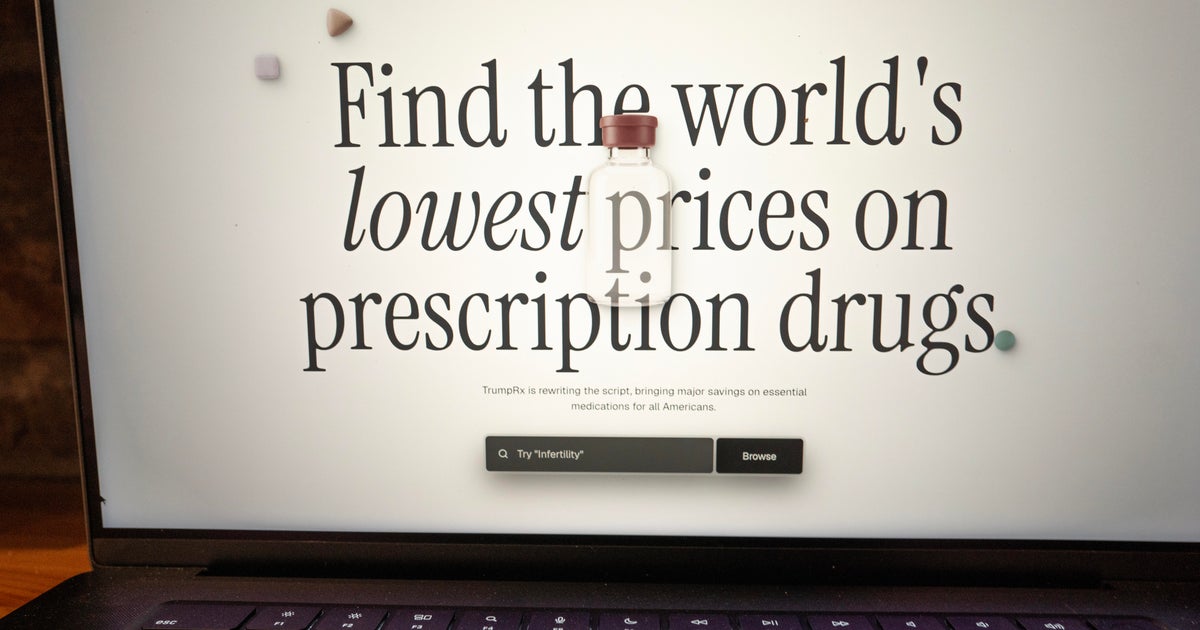
When President Trump unveiled TrumpRx last week, he hailed it as “one of the most transformative health care initiatives of all time.” The new prescription drug platform promises significant discounts on brand-name medications, positioning itself as a solution to America’s longstanding problem with high drug costs. While the administration’s enthusiasm is palpable, health care experts and consumer advocates are urging Americans to look beyond the headlines. The reality, they say, is more nuanced than the White House’s sweeping proclamations suggest. Though TrumpRx does offer genuine savings for certain consumers in specific situations, it’s far from the revolutionary overhaul of America’s pharmaceutical pricing system that its name and branding might imply. Understanding who benefits most from this platform—and who might find better deals elsewhere—requires a careful examination of how TrumpRx actually works and what limitations come with its discounted offerings.
Who Actually Benefits from TrumpRx?
The most significant limitation of TrumpRx, according to health care advocates, is its narrow focus on cash-paying customers. Anthony Wright, executive director of Families USA, a consumer advocacy organization, explains that the platform primarily serves people who are uninsured or whose insurance doesn’t adequately cover their prescriptions. This means that to use TrumpRx, patients must pay out-of-pocket for their medications rather than going through their health insurance plans. This seemingly simple requirement has major implications that many consumers might not immediately recognize. When you purchase a prescription through TrumpRx, that expense won’t count toward your insurance deductible or out-of-pocket maximum. For someone with high-deductible health insurance who might eventually meet that threshold through other medical expenses, using TrumpRx could actually cost more in the long run by preventing those dollars from contributing to their annual deductible. Yunan Ji, a health policy expert at Georgetown’s McDonough School of Business, emphasizes this point: “The prices are absolutely cheaper than list prices, but only for cash patients or patients whose insurance does not sufficiently cover these drugs.” For the majority of Americans who have prescription drug coverage through their employer or marketplace insurance plans, TrumpRx may not offer the best value. The platform fills a specific niche for the uninsured and underinsured—a population that certainly needs help with drug costs, but one that represents a relatively small segment of the overall market.
How TrumpRx Stacks Up Against Existing Options
One of the most revealing aspects of TrumpRx is how it compares to existing prescription discount services already available to consumers. Merith Basey, CEO of Patients For Affordable Drugs Now, points out that the coupons offered through TrumpRx aren’t unique to the platform—similar discounts have been available in the marketplace for years. To test TrumpRx’s competitive advantage, Basey’s organization conducted a head-to-head comparison with GoodRx, a well-established prescription discount company based in Santa Monica, California. The results were illuminating: out of more than 40 drugs listed on TrumpRx, the new platform offered superior pricing on only eight medications. These included Bevespi for chronic bronchitis (89% discount), Cetrotide for fertility treatments (93% discount), Farxiga for Type 2 diabetes (52% discount), Genotropin human growth hormone (60% discount), Insulin Lispro for blood sugar control (65% discount), Ovidrel for fertility (67% discount), Xigduo XR for Type 2 diabetes (70% discount), and Zepbound for weight loss (72% discount). For 33 of the drugs listed on TrumpRx, GoodRx offered equally steep discounts, meaning consumers would save the same amount regardless of which platform they used. Perhaps most notably, for 15 of the medications on TrumpRx, cheaper generic alternatives were available elsewhere. For example, Colestid, a cholesterol-lowering medication, costs $67.20 through TrumpRx, while a generic version of the same drug is available for just $21.70—a difference of more than $45 per prescription that could add up significantly over time for someone taking the medication regularly.
The “Catalog of Coupons” Controversy
Anthony Wright’s characterization of TrumpRx as a “catalog of coupons from existing programs from drug companies” raises important questions about what the platform actually represents. Rather than negotiating entirely new pricing structures or creating a government-run prescription service, TrumpRx appears to aggregate and present discount programs that pharmaceutical companies already offer. The White House counters this characterization by claiming that these discounts only exist because the Trump administration negotiated “most-favored-nation” agreements with pharmaceutical companies. Under this policy framework, drugmakers must sell medications to U.S. customers at prices comparable to what they charge in other countries, many of which have significantly lower drug costs than the United States. The administration also emphasizes that TrumpRx focuses specifically on offering the lowest prices for branded products, acknowledging that more affordable generic versions may be available elsewhere. This focus on brand-name drugs is a double-edged sword. On one hand, it provides access to name-brand medications for people who specifically need them or prefer them over generics. On the other hand, it raises questions about whether the platform is truly optimized for consumer savings or if it’s designed to maintain brand-name drug sales when cheaper alternatives exist. Wright notes that he’d like to see TrumpRx expand beyond its current offerings to include a broader range of medications, particularly those used to treat serious conditions like cancer. The current selection, while including some important categories like diabetes management and fertility treatments, doesn’t yet represent the comprehensive solution to America’s prescription drug cost crisis that the administration’s rhetoric suggests.
Specific Savings: Where TrumpRx Shines
Despite the limitations and criticisms, TrumpRx does offer substantial savings on certain medications, particularly in categories that are often poorly covered by traditional insurance plans. Weight-loss medications present one of the platform’s strongest value propositions. Most insurance plans don’t cover drugs like Ozempic, Wegovy, and Zepbound, leaving patients to pay prohibitive list prices that can exceed $1,000 per month. Through TrumpRx, Ozempic is available for $199 for a 0.25 milligram pen—a price that matches GoodRx’s offering but represents an approximately 80% discount from the list price. Wegovy, another popular weight-loss medication, is available for $199 for the pen version and $149 for the pill form. Zepbound, which treats both weight loss and sleep apnea, costs $299 through the platform, representing a 72% discount. Fertility medications represent another area where TrumpRx provides meaningful relief from typically astronomical costs. Gonal-F, a common fertility drug with a list price approaching $1,200, costs just $252 with a TrumpRx coupon—the same as the GoodRx price. Ovidrel, another fertility medication, is available for $84 (a 67% discount), while Cetrotide costs just $22.50 (a remarkable 93% discount). For the millions of Americans struggling with infertility who face treatment costs that can easily reach tens of thousands of dollars, these savings on medication components of their care represent genuine financial relief. Insulin, the lifesaving medication for diabetics that has become a symbol of pharmaceutical pricing excess in America, is available through TrumpRx at significantly reduced prices. Insulin Lispro costs just $25 through the platform, a 65% discount that could make the difference between consistent treatment and dangerous rationing for uninsured diabetics.
The Bigger Picture: What TrumpRx Means for Healthcare Reform
The launch of TrumpRx raises broader questions about America’s approach to prescription drug pricing and healthcare reform. Yunan Ji’s assessment that the platform “will deliver meaningful savings” for “a small share of the market” but “is not going to change the whole drug pricing landscape for most Americans” cuts to the heart of the matter. The United States continues to pay significantly more for prescription medications than any other developed nation, and while discount programs like TrumpRx provide relief for some consumers, they don’t address the underlying structural issues that create these high prices in the first place. The platform’s reliance on pharmaceutical company cooperation—whether through voluntary patient assistance programs or negotiated agreements—means that the companies themselves retain significant control over pricing. This stands in contrast to approaches taken by other countries, where government negotiation or price controls establish maximum costs for medications across the board. The fact that TrumpRx functions primarily as an aggregator of existing discount programs rather than a fundamentally new pricing structure suggests that it represents an incremental improvement rather than the “transformative” change the administration claims. For consumers navigating this landscape, the emergence of TrumpRx adds another option to an already confusing array of discount cards, patient assistance programs, pharmacy benefit managers, and insurance formularies. While having more options can be beneficial, it also increases the burden on patients to comparison shop across multiple platforms to ensure they’re getting the best price. The lack of a true “one-stop shop” that Wright advocates for means that sick people must invest time and energy into price research when they’re least equipped to do so. As the platform expands its offerings—the administration promises more medications will be added over time—its ultimate impact will become clearer, but early assessments suggest that TrumpRx is best understood as a helpful resource for specific populations rather than a solution to America’s prescription drug crisis.