
Unverified Reports Emerge About Iranian Supreme Leader Following Alleged Israeli Strike
Breaking Claims from Israeli Media
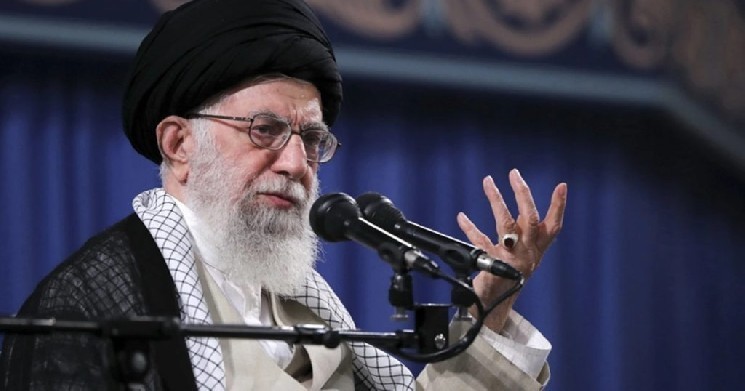
In what could be one of the most significant geopolitical developments in recent Middle Eastern history, Israeli television channel N12 has made explosive claims regarding Iran’s Supreme Leader Ayatollah Ali Khamenei. The channel reported that Khamenei was killed during a military operation, citing unnamed senior Israeli officials as their source. According to these reports, a high-ranking Israeli government source used the term “neutralized” when referring to the Iranian leader’s status following what was described as a targeted attack. However, it’s critically important to note that these claims have not been independently verified by any international organization, third-party intelligence agencies, or credible neutral sources. The lack of corroborating evidence from multiple sources raises important questions about the veracity of these reports, especially given the highly sensitive nature of such claims and their potential to dramatically reshape the geopolitical landscape of the entire Middle East region.
Netanyahu’s Alleged Address to the Iranian People
Adding another layer to this developing situation, Israeli Prime Minister Benjamin Netanyahu has reportedly made direct statements addressing the Iranian population. According to the same reports from N12, Netanyahu spoke directly to Iranian citizens, suggesting that their opportunity to rise up against their government would come soon. His alleged statement, “Your time to take to the streets and overthrow the regime will come soon,” represents a remarkably direct call for regime change in Iran, if confirmed. Such language would mark an unusually explicit departure from typical diplomatic rhetoric and would signal a significant escalation in the already tense relationship between Israel and Iran. Netanyahu has long been one of the most vocal critics of the Iranian government, particularly regarding its nuclear program and support for groups that Israel considers terrorist organizations. However, a direct call for popular uprising would represent a new threshold in this ongoing confrontation. This alleged statement suggests that Israeli leadership may be attempting to capitalize on any internal dissatisfaction within Iran and encourage grassroots opposition to the current government structure.
Details of the Alleged Attack on Tehran
According to the reports emerging from Israeli media, Prime Minister Netanyahu made additional statements during an evening address, though again, these claims await independent verification. In this alleged statement, Netanyahu is reported to have said, “This war will bring true peace,” a phrase that echoes historical justifications for military action but also raises questions about the broader strategic objectives behind any such operation. The reports specifically claim that the target of the alleged attack was the Khamenei compound located in central Tehran, Iran’s capital city. Such a strike, if it occurred, would represent an extraordinary military operation deep within Iranian territory and would mark a dramatic escalation in the shadow war that has been ongoing between Israel and Iran for years. The logistics of successfully executing such an operation would be formidable, requiring extensive intelligence gathering, sophisticated military capabilities, and the ability to penetrate Iranian air defenses. The choice of such a high-profile target in the heart of Tehran would signal a fundamental shift in the nature of the Israeli-Iranian conflict from proxy confrontations to direct action against the highest levels of Iranian leadership.
Iranian Silence and the Information Vacuum
Perhaps one of the most telling aspects of this developing situation is the conspicuous absence of any official response from Iranian authorities. As of the time these reports emerged, there has been no official confirmation or denial from Tehran regarding the claims about Khamenei’s fate. This silence is noteworthy for several reasons. Iranian state media and official government channels are typically quick to respond to allegations and reports, particularly those concerning the nation’s leadership. The lack of immediate response could indicate several possibilities: Iranian authorities may be assessing the situation and formulating an appropriate response, they may be dealing with an actual crisis situation, or they may be choosing not to dignify unverified claims with an official response. In the age of instant communication and social media, the absence of visible proof of Khamenei’s wellbeing—such as a video statement or public appearance—may fuel further speculation. However, it’s equally important to note that demanding immediate proof of life from a nation’s leader based on unverified claims sets a problematic precedent and could be part of a deliberate information warfare strategy designed to create confusion and uncertainty.
The Broader Context and Regional Implications
This alleged incident, whether verified or not, emerges within a complex and rapidly evolving regional context. The Middle East has been experiencing heightened tensions for months, with multiple conflicts and proxy wars creating an extremely volatile environment. The relationship between Israel and Iran has long been characterized by mutual hostility, with both nations viewing each other as existential threats. Iran’s nuclear program, its support for groups like Hezbollah and Hamas, and its presence in Syria have been constant sources of concern for Israeli security planners. Meanwhile, Iran views Israel’s military capabilities, its relationship with the United States, and alleged covert operations against Iranian nuclear scientists and facilities as direct threats to its sovereignty and security. The information flow from the region has been limited and often unreliable, with multiple parties engaging in psychological operations, propaganda, and information warfare alongside any actual military operations. In this environment, distinguishing between verified facts, strategic misinformation, propaganda, and genuine breaking news becomes exceptionally challenging. The rapid pace of developments, combined with the high stakes involved, creates a situation where rumors and unverified claims can spread quickly and potentially trigger further escalation even if the original reports prove to be false or exaggerated.
Waiting for Verification and Understanding the Stakes
As this situation continues to develop, the international community, regional powers, and independent observers are all waiting for credible verification of these extraordinary claims. The alleged death of a nation’s supreme leader, particularly one as significant to regional politics as Ayatollah Khamenei, would have profound and far-reaching consequences that extend well beyond the borders of Iran and Israel. Such an event would likely trigger significant internal political developments within Iran, where various factions would compete to fill the power vacuum. It could lead to military retaliation against Israel and its allies, potentially drawing other nations into a broader regional conflict. The economic implications, including impacts on global oil markets and international trade routes, could be substantial. For these reasons, responsible reporting and analysis must emphasize the unverified nature of these claims until credible, independent confirmation becomes available. History has shown that initial reports from conflict zones are often incomplete, inaccurate, or deliberately misleading. The fog of war, combined with the intentional use of disinformation as a tactical weapon, means that patience and critical evaluation of sources are essential. As citizens and observers trying to understand these developments, we must resist the temptation to accept sensational claims at face value, recognize the limitations of our knowledge in real-time crisis situations, and await confirmation from multiple credible sources before drawing firm conclusions about what has actually occurred in this potentially historic but still unverified incident.