


Administration Uses Correspondents’ Dinner Shooting to Justify Controversial White House Ballroom Project
Legal Battle Intensifies Over Presidential Event Space
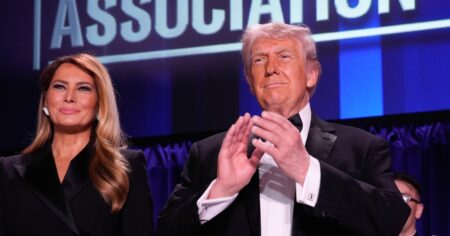
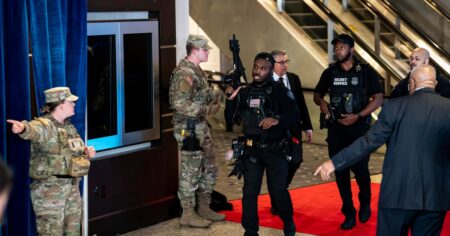
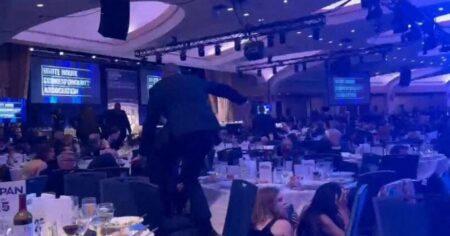
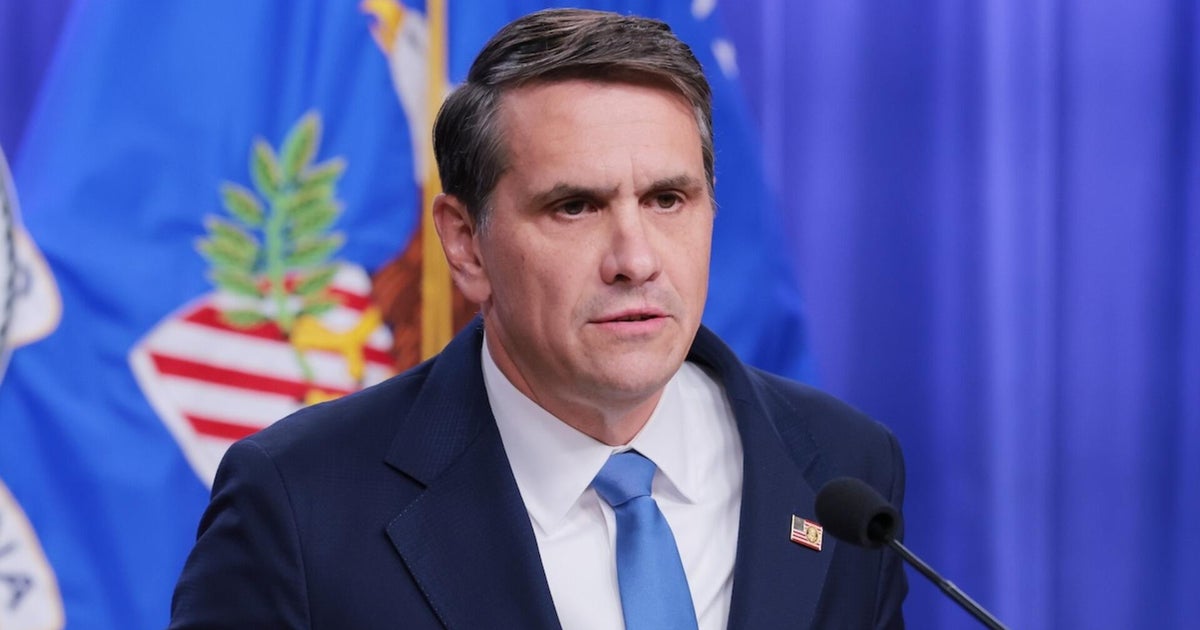
In the wake of the recent shooting at the White House Correspondents’ Association Dinner, Acting Attorney General Todd Blanche has made an urgent appeal to overturn a federal court’s decision blocking construction of a massive White House ballroom. The 9-page legal filing, submitted late Monday evening, argues that the terrifying events at Saturday’s dinner provide clear evidence that President Trump needs a secure, purpose-built venue for hosting large-scale events. The administration is essentially asking Federal Judge Richard Leon to reconsider his earlier ruling that halted above-ground construction until proper congressional approval could be obtained. This development marks the latest chapter in an ongoing legal dispute that has pitted the administration against historic preservation advocates and raised serious questions about executive power, public safety, and the proper channels for approving major government construction projects.
The controversy began when Judge Leon imposed a preliminary injunction earlier this month, effectively pausing all above-ground construction work on the proposed ballroom facility. However, his ruling did allow underground work to continue on a presidential bunker beneath the East Wing, recognizing the security concerns while maintaining oversight over the more visible aspects of the project. The case has since moved to a federal appellate court, which temporarily permitted all construction activities to resume while the legal arguments are being sorted out. Full arguments are scheduled to be heard in early June, setting up what could be a significant showdown over presidential authority and construction oversight. Meanwhile, construction crews remain on site, working on what the administration describes as a critical national security infrastructure project while opponents continue their fight to ensure proper legal procedures are followed.
Historic Preservation Groups Stand Firm Despite Safety Arguments
The Trust for Historic Preservation, which originally filed the lawsuit against the construction project late last year, has made it clear they have no intention of backing down despite the administration’s attempts to use the shooting as justification for the project. In a measured statement released Monday, the organization emphasized that their legal challenge “endangers no one and which respectfully asks the Administration to follow the law.” This response suggests that preservation advocates view the administration’s argument as an attempt to circumvent normal legal processes by exploiting a tragic event. The trust’s position reflects a broader concern about setting precedents where emergency situations or security concerns could be invoked to bypass congressional oversight and established procedures for major federal construction projects, particularly those involving historically significant properties and locations.
The legal mechanism Blanche is employing—requesting an “indicative ruling”—is somewhat unusual and reveals the administration’s eagerness to resolve this matter quickly. Essentially, they’re asking Judge Leon to reconsider the case in light of new circumstances (the shooting) and indicate whether he would lift his injunction or dismiss the entire case if the appellate court were to send the matter back to him for further consideration. This legal maneuver allows the administration to test the waters and potentially expedite the resolution of the construction dispute. Judge Leon has previously expressed significant reservations about several aspects of the project, particularly the unusual $400 million private financing arrangement that would fund the construction and the notable absence of congressional input or approval for such a substantial undertaking involving presidential facilities and White House grounds.
Security Arguments and Political Rhetoric Collide
The government’s latest filing includes detailed security arguments backed by official testimony from Secret Service Deputy Director Matthew Quinn, who provided a sworn affidavit outlining what he describes as “security limitations of large off-site venues.” Quinn’s statement emphasizes that current event spaces require the president and other high-profile attendees to mix with members of the general public, creating inherent security vulnerabilities that are difficult to fully mitigate. In contrast, he argues, the White House itself “is a controlled facility with a permanent security infrastructure” that would allow for much more comprehensive security protocols. The administration’s position is that the proposed ballroom would essentially extend this secure environment, creating a purpose-built space where large diplomatic receptions, state dinners, and other significant gatherings could take place without the president having to venture to less secure downtown hotels or convention centers that weren’t originally designed with presidential security as a primary concern.
Blanche’s filing takes an aggressive tone at times, directly attacking the Trust for Historic Preservation with politically charged language that closely mirrors President Trump’s characteristic communication style on social media platforms. “They suffer from Trump Derangement Syndrome, commonly referred to as TDS,” the official government legal document states, employing terminology more commonly found in partisan political commentary than formal legal briefs. The filing goes further, suggesting that if any previous president had proposed this project, it would never have faced legal challenges: “If any other President had the ability, foresight, or talents necessary, to build this ballroom, which will be one of the greatest, safest, and most secure structures of its kind anywhere in the World, there would never have been a lawsuit.” This unusually combative approach in an official legal document has raised eyebrows among legal observers and highlights the administration’s strategy of framing opposition to the project as politically motivated rather than based on legitimate concerns about proper procedures and historic preservation.
Historical Context and Congressional Response
The administration’s security concerns are not without historical precedent. The filing specifically references the 1981 attempted assassination of President Ronald Reagan, which occurred outside the Washington Hilton—the same venue where Saturday’s shooting took place during the Correspondents’ Dinner. After that near-fatal attack on Reagan, the Hilton underwent significant security retrofitting to better accommodate future presidential visits, and it has since hosted presidents from both political parties multiple times each year for various events. This history demonstrates that while existing venues can be secured to some degree, they were not originally designed with presidential security as their primary purpose, potentially creating vulnerabilities that purpose-built facilities could eliminate. However, critics argue that this same history also shows that existing venues can be adequately secured when proper protocols are followed, questioning whether a $400 million ballroom is truly necessary or whether it represents an excessive and potentially problematic expansion of presidential facilities.
The political dimension of this controversy extends beyond the courtroom, with congressional leaders beginning to weigh in on the dispute. Republican Senator Rand Paul, who chairs the Senate Homeland Security Committee, announced Monday that he would introduce legislation specifically designed to authorize construction of the ballroom. This legislative effort could potentially resolve the legal dispute by providing the congressional approval that Judge Leon indicated was missing from the project. However, whether such legislation could pass both chambers of Congress remains uncertain, particularly given questions about the project’s cost, its financing structure, and its potential impact on the historic character of the White House grounds. The Trust for Historic Preservation did not immediately respond to requests for comment on the latest developments, but their previous statements suggest they will continue arguing that regardless of security concerns, major construction projects affecting the White House should follow established legal procedures, including meaningful congressional oversight and public input processes that ensure proper consideration of all relevant factors including historic preservation, cost-effectiveness, and genuine security needs versus political preferences.