

The Kimmel-Trump Controversy: A Late-Night Joke That Sparked National Debate
The Joke That Started It All
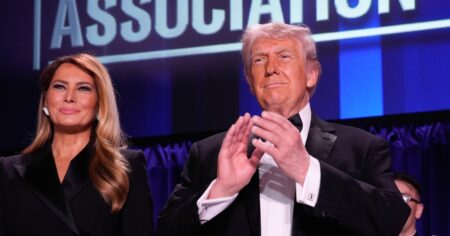
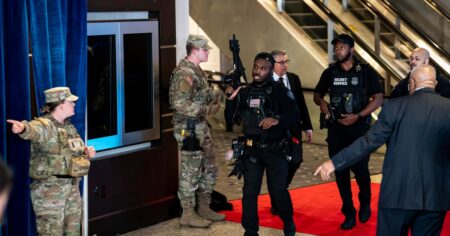
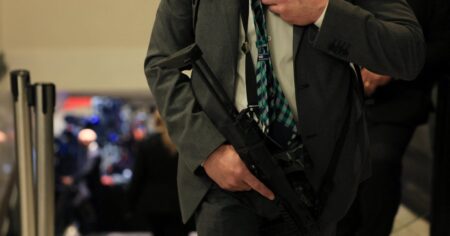
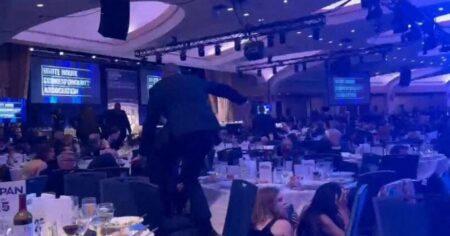
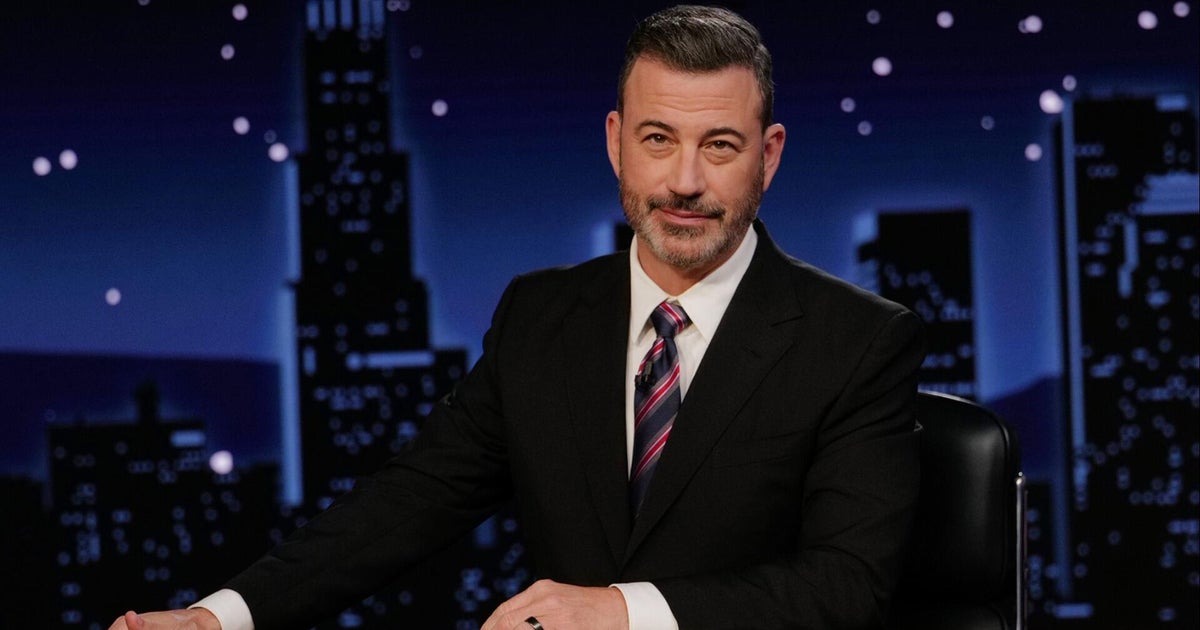
The entertainment and political worlds collided once again when late-night host Jimmy Kimmel found himself at the center of a fierce controversy following a joke he made about First Lady Melania Trump. During his Thursday night show, “Jimmy Kimmel Live,” the comedian was performing a mock comedy routine as if he were appearing at the upcoming White House Correspondents’ Association dinner. In his bit, Kimmel made a quip about Melania Trump, describing her as having “the glow of an expectant widow.” The joke was clearly aimed at poking fun at the significant age difference between the president and first lady, with Donald Trump approaching 80 years old while Melania is considerably younger. What Kimmel likely intended as a lighthearted roast quickly spiraled into a major incident when the actual White House Correspondents’ dinner two nights later was dramatically interrupted by a security threat. A man armed with guns and knives attempted to enter the Washington ballroom where President Trump, the First Lady, and much of the nation’s political leadership had gathered, cutting the prestigious event short and creating a traumatic experience for everyone in attendance.
The Trump Family’s Forceful Response
Following the frightening incident at the dinner, both Donald and Melania Trump issued strong statements calling for ABC to immediately terminate Jimmy Kimmel’s employment. Melania Trump took to social media to express her outrage, stating that “people like Kimmel shouldn’t have the opportunity to enter our homes each evening to spread hate.” She emphasized that the time had come for decisive action, declaring “Enough is enough. It is time for ABC to take a stand.” Her words were quickly amplified by her husband, who posted on his Truth Social platform on Monday afternoon. President Trump characterized Kimmel’s joke as a “despicable call to violence” and insisted that it represented something “far beyond the pale.” He demanded that Disney and ABC fire the late-night host immediately, framing the situation as a matter of public safety and decency. The Trumps’ response reflected their long-standing contentious relationship with the comedian, who has been one of the most consistent critics of the former and current president throughout his political career.
Kimmel’s Defense and Clarification
During his Monday night show, Jimmy Kimmel addressed the controversy head-on, defending his original joke while also showing empathy for what the First Lady and others experienced during the security incident. He carefully explained the context and intent of his humor, emphasizing that it was “a very light roast joke about the fact that he’s almost 80 and she’s younger than I am.” Kimmel was explicit in rejecting the characterization of his joke as a call to violence, stating firmly that “it was not by any stretch of the definition a call to assassination. And they know that.” The comedian reminded his audience of his long-standing advocacy against gun violence, making it clear that any suggestion he would encourage violence was completely contrary to his established public positions. However, Kimmel also demonstrated a willingness to acknowledge the difficult experience the First Lady had endured, saying “I understand that the first lady had a stressful experience over the weekend.” He agreed with the principle that hateful and violent rhetoric should be rejected by society, but then turned the tables by suggesting that perhaps the president himself should lead by example in that regard, noting “I think a great place to start to dial that back would be to have a conversation with your husband about it.”
The Question of Timing and Responsibility
Kimmel raised what many observers considered a crucial point in the controversy: the timeline of events. He directly addressed the accusation that his joke somehow contributed to the security incident by asking, “But do you want us to believe that a joke I made three days before this dinner had any effect on anything that happened Saturday night?” This question struck at the heart of the matter – whether there could be any reasonable connection between a comedy bit performed on Thursday night and a security incident that occurred on Saturday. The comedian acknowledged the seriousness of what happened at the dinner, stating “Because no one got killed doesn’t mean it wasn’t traumatic and scary.” He expressed genuine sympathy for everyone who experienced that frightening moment, emphasizing his belief that Americans should come together in such times. After noting that all Americans have a constitutional right to free speech, Kimmel offered words that seemed to balance accountability with compassion: “I am sorry that you and the president and everyone in that room on Saturday went through that. I really am.” His response attempted to walk a fine line between defending his right to perform political comedy and showing human decency toward those who experienced genuine fear and trauma.
Political Reactions and Broader Implications
The controversy extended well beyond the immediate parties involved, drawing responses from various political and media figures. White House press secretary Karoline Leavitt weighed in, suggesting that Kimmel’s Thursday joke was part of a broader “campaign of rhetoric from Democrats and some in the media that has helped to legitimize this violence.” She questioned the comedian’s judgment, asking “Who in their right mind says a wife would be glowing over the potential murder of her beloved husband?” However, observers noted that Leavitt’s characterization seemed to deliberately misinterpret the joke, as there was no clear indication that Kimmel was referring to actual violence in his widow reference. The National Religious Broadcasters association took formal action by filing a complaint with the Federal Elections Commission, requesting an investigation into ABC. Troy Miller, the organization’s president and CEO, explained their reasoning: “We’re seeing a pattern of violence in this country that didn’t appear overnight. When influential voices joke about death or treat political opponents as disposable, it contributes to a culture where violence feels thinkable to the already unstable.” This wasn’t Kimmel’s first rodeo with such controversies – the late-night host had been pulled from the air for several nights the previous September after being criticized by conservatives, including Trump himself, for remarks he made following a different tragic incident.
The Bigger Picture: Comedy, Politics, and Free Speech
This incident highlights the increasingly complex relationship between political comedy, free speech, and public safety in contemporary America. Late-night comedians have traditionally enjoyed wide latitude in satirizing political figures, with this form of humor considered an important part of democratic discourse. However, in an era marked by heightened political tensions and actual incidents of political violence, questions about where the line should be drawn have become more pressing and contentious. Kimmel’s situation reflects a broader challenge facing comedians, commentators, and media figures: how to maintain the tradition of sharp political satire while being sensitive to legitimate concerns about rhetoric that might inspire unstable individuals to violence. The fact that CBS News reached out to ABC for comment but the network has not issued a public statement suggests the delicate nature of the situation from a corporate perspective. Interestingly, the controversy comes at a time when another prominent late-night Trump critic, Stephen Colbert, is seeing his CBS show come to an end next month, though it’s unclear whether political pressures played any role in that decision. The Kimmel incident may ultimately serve as a case study in how American society navigates the tension between protecting free expression and addressing concerns about violent rhetoric. As political divisions continue to deepen, the question of what constitutes acceptable political humor versus dangerous rhetoric will likely remain a subject of intense debate, with reasonable people disagreeing about where exactly those boundaries should lie.