


Trump’s Iran Threats Send Shockwaves Through Global Markets
Escalating Tensions and Midnight Deadlines
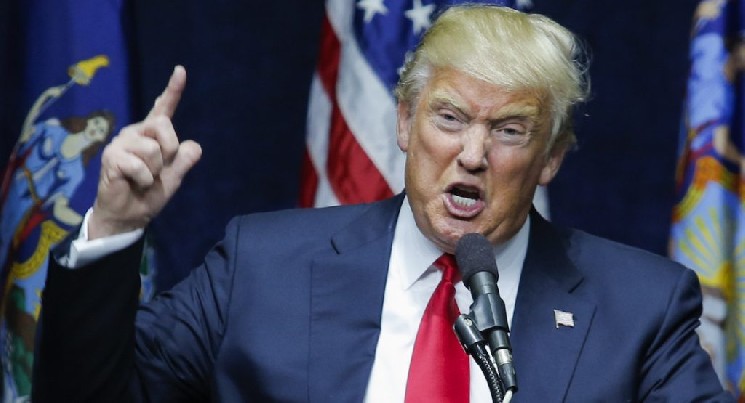
The world is holding its breath as US President Donald Trump has issued some of his most aggressive warnings yet regarding the escalating conflict with Iran. His latest statements have sent ripples of concern through international financial markets and diplomatic circles alike. Trump has set a deadline of midnight on Tuesday, suggesting that if his demands aren’t met, the United States is prepared to launch devastating attacks on Iran’s critical infrastructure. The President painted a grim picture of what such an operation might look like, describing potential strikes on bridges and energy facilities across the country. What’s particularly striking about these threats is the timeline Trump has laid out—he claims the entire operation could be executed in just four hours, demonstrating what he views as America’s overwhelming military superiority in the region.
The President’s rhetoric has been characteristically forceful, with statements like “All the bridges in Iran will be destroyed, all the power plants will be disabled” creating significant alarm both in Tehran and among international observers. Despite the harsh tone of his warnings, Trump attempted to strike a somewhat conciliatory note by expressing that he hopes military action won’t be necessary. He stated his preference not to target infrastructure, though he immediately undercut this sentiment by emphasizing America’s capability to “neutralize the entire country overnight” if he deems it necessary. This mix of threatening language and reluctant warrior positioning has become a familiar pattern in Trump’s approach to international conflicts, leaving allies and adversaries alike uncertain about his true intentions. The Tuesday deadline, which Trump has emphasized will not be extended under any circumstances, has created an atmosphere of urgent crisis that’s affecting everything from oil prices to stock markets worldwide.
Military Preparations and Diplomatic Posturing
Behind Trump’s public statements, there’s clear evidence that the US military machine is gearing up for potential action. Defense Secretary Pete Hegseth has confirmed that preparations are accelerating at a rapid pace, with plans for what he described as “the most intense attacks” being finalized. According to Hegseth’s timeline, these operations would begin immediately and intensify progressively. Reports from unnamed US officials suggest that military planners are particularly focused on Iran’s energy infrastructure, which makes economic sense from a strategic perspective—hitting a country’s ability to produce and distribute power can paralyze a modern nation without necessarily causing massive civilian casualties. This focus on energy targets also has the potential to create significant ripples in global oil markets, as Iran remains a major player in world energy supplies despite years of sanctions.
At the same time these military preparations are underway, Trump has described ongoing negotiations with Iran as proceeding “in good faith.” This characterization seems somewhat contradictory given the aggressive deadline and threat of immediate military action. The President acknowledged that Iran has put forward proposals that represent progress, but he’s made it clear these offers don’t go far enough to satisfy American demands. This diplomatic dance—talking while preparing to strike—reflects the complex reality of modern international relations, where military threats and negotiation often proceed on parallel tracks. The hope, presumably, is that the credible threat of devastating attacks will push Iran to make concessions at the negotiating table that they otherwise wouldn’t consider. However, this strategy carries significant risks, as miscalculation or misunderstanding could easily lead to an escalation that neither side truly wants but both feel compelled to pursue.
Regional Responses and the Israeli Factor
The crisis isn’t unfolding in a vacuum, and regional players are actively trying to influence the outcome. Iranian state television has announced that a missile was launched toward Israel, a move that significantly raises the stakes and demonstrates Tehran’s willingness to expand the conflict beyond direct US-Iran confrontation. This action plays into a broader regional dynamic where Iran and Israel have been engaged in a shadow war for years, with periodic eruptions of direct military engagement. The involvement of Israel adds another layer of complexity to an already complicated situation, as the United States has deep security commitments to the Jewish state that could draw America deeper into regional conflicts.
Israeli Prime Minister Benjamin Netanyahu has reportedly been actively lobbying Trump to take a harder line. According to reports, during their meeting on Sunday, Netanyahu urged the American president to oppose any ceasefire agreements that might be under discussion. This Israeli pressure reflects Netanyahu’s long-standing position that Iran represents an existential threat to Israel, particularly regarding Tehran’s nuclear ambitions and its support for militant groups like Hezbollah and Hamas. For Netanyahu, who has built much of his political career on positioning himself as Israel’s defender against Iranian aggression, a strong American stance against Iran serves multiple purposes—it addresses genuine security concerns while also bolstering his domestic political standing. Trump’s receptiveness to these arguments appears evident in his comments about Iranian nuclear weapons being “the real war crime,” a formulation that closely mirrors Israeli talking points on the issue.
Nuclear Concerns and War Crime Accusations
The nuclear dimension of this crisis looms large in Trump’s public statements and presumably in his private calculations as well. The President has framed the possibility of Iran obtaining nuclear weapons as “the real war crime,” suggesting that preventing this outcome justifies extraordinary measures, including potentially devastating military strikes. This argument places Trump’s approach in continuity with decades of American policy aimed at preventing nuclear proliferation, though his methods and rhetoric are characteristically more blunt than those of his predecessors. The nuclear issue also provides Trump with a moral framework for his threats—in his telling, America isn’t the aggressor but rather the defender of global security preventing a rogue state from obtaining world-ending weapons.
Interestingly, Trump has also had to address accusations that his own actions might constitute war crimes. His response has been dismissive, stating that he’s “not worried” about such allegations. This confidence may stem from his belief that preventing Iranian nuclear capability justifies harsh measures, or it may simply reflect his general tendency to dismiss criticism as politically motivated attacks. The question of what constitutes legitimate military action versus war crimes is complex and often murky in modern warfare, particularly when it comes to strikes on infrastructure that serves both military and civilian purposes. International humanitarian law generally requires that military actions distinguish between military and civilian targets and that the civilian harm caused is proportionate to the military advantage gained. Attacks on bridges and power plants that serve primarily civilian populations could potentially violate these principles, though advocates might argue that such infrastructure also serves military purposes and that warning civilians in advance mitigates concerns.
Domestic Considerations and Public Opinion
Trump’s aggressive stance toward Iran isn’t happening in a domestic political vacuum. The President acknowledged that American public opinion is weary of foreign military engagements, with most citizens preferring that the country “return home” rather than becoming entangled in another Middle Eastern conflict. This sentiment reflects the exhaustion many Americans feel after decades of involvement in Iraq, Afghanistan, and various other military operations across the region. The wars in Iraq and Afghanistan, in particular, lasted far longer than initially anticipated, cost trillions of dollars, and resulted in thousands of American casualties without clearly achieving their stated objectives. Given this history, Trump faces a delicate political challenge: appearing strong on foreign policy and national security while not committing to another prolonged engagement that could become politically costly.
Despite acknowledging this public reluctance, Trump has pressed forward with his aggressive rhetoric, betting that Americans will support decisive action against Iran if it’s presented as necessary for national security and if it’s promised to be swift rather than prolonged. His emphasis on the operation taking only four hours appears designed to address concerns about another lengthy war—he’s suggesting a quick, surgical strike rather than an extended commitment. Trump also expressed confidence that Iran will ultimately back down, saying “They don’t want to back down right now, but they will.” This confidence may be based on his assessment of Iran’s military and economic vulnerabilities, or it may be characteristic bravado designed to project strength. The reality is that predicting how nations will respond to existential threats is extraordinarily difficult, and history is littered with examples of leaders who miscalculated their adversaries’ willingness to endure pain rather than submit to demands.
Market Reactions and Global Implications
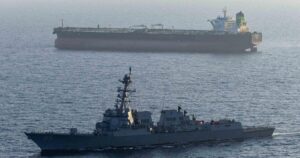
The immediate and tangible impact of Trump’s threats has been visible in global financial markets, which hate uncertainty above almost all else. The prospect of military action against a major oil producer in the Middle East naturally raises concerns about energy supplies and prices. Even though Iran’s oil exports have been limited by sanctions, the country still produces significant quantities, and any conflict in the region raises the possibility of disruption to the broader oil infrastructure, including the critical Strait of Hormuz through which a substantial portion of the world’s oil passes. Stock markets have shown volatility in response to the escalating rhetoric, with investors moving toward traditional safe-haven assets like gold and government bonds. The uncertainty also affects currency markets, with the dollar’s movement reflecting changing assessments of how serious the threat really is.
Beyond the immediate market reactions, the broader implications of this confrontation are profound. A US military strike on Iran would likely trigger responses not just from Tehran but from its allies and proxy forces throughout the region. Hezbollah in Lebanon, various militia groups in Iraq and Syria, and Houthi forces in Yemen could all potentially retaliate against American interests or allies. Such a conflict could destabilize the entire Middle East, potentially drawing in other major powers like Russia and China, which have their own interests in the region. Even among American allies, there’s significant concern about the approach Trump is taking, with many preferring diplomatic solutions to military ones. The mention that Wells Fargo no longer expects the Federal Reserve to cut interest rates this year suggests that financial institutions are already recalculating their economic projections based on the possibility of conflict. A war with Iran would likely have inflationary effects due to energy price increases, potentially forcing the Fed to maintain higher interest rates to combat inflation, which in turn could slow economic growth. The interconnected nature of the global economy means that a conflict between the United States and Iran wouldn’t remain contained to those two countries but would ripple outward, affecting nations and peoples far removed from the immediate combat zone.