
Colombia Offers Massive Reward Following Deadly Highway Attack That Shook the Nation
A Devastating Attack on Innocent Civilians
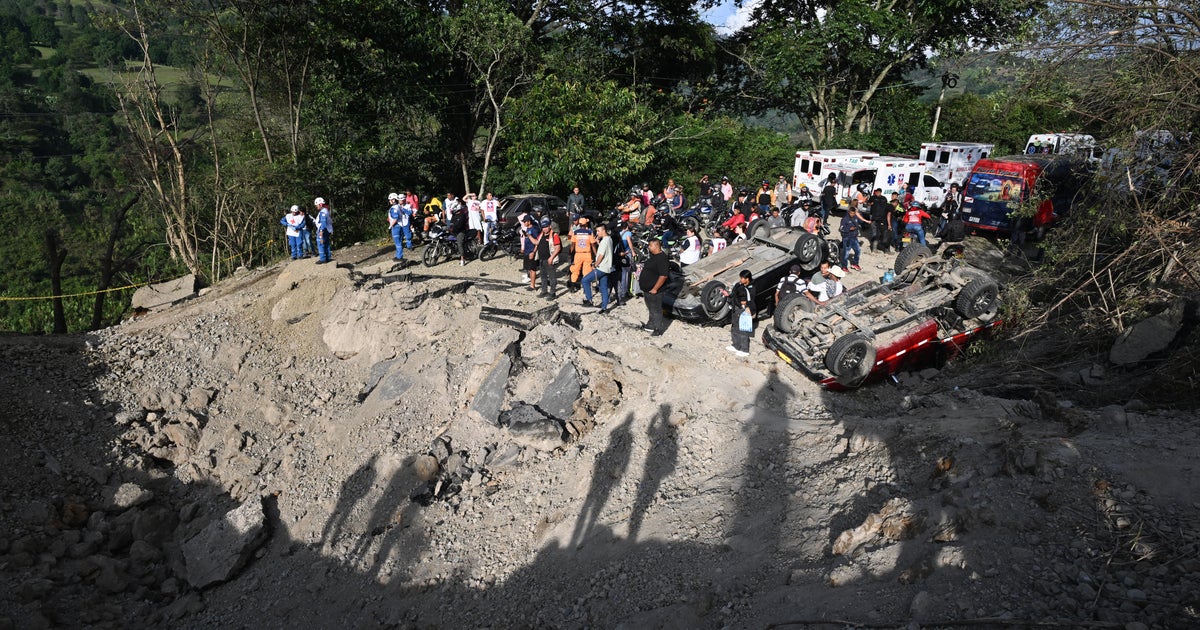
The Colombian government has announced an unprecedented reward of $1.4 million for information leading to the capture of the man believed to be responsible for orchestrating one of the country’s deadliest attacks in recent years. On a Saturday that would forever scar the southwestern region of Cauca, a sophisticated bombing on a busy motorway claimed the lives of 21 innocent people and left dozens more wounded. The attack specifically targeted vulnerable civilians, with at least 15 women among the dead. The scene left behind was one of absolute devastation – twisted metal from destroyed vehicles scattered around a massive crater that stretched 650 feet across the roadway. Defense Minister Pedro Sanchez identified the suspect as Iván Jacob Idrobo Arredondo, known by his alias “Marlon,” declaring him responsible not only for this horrific attack but for several other violent incidents in the surrounding areas. Governor Octavio Guzmán of Cauca characterized the bombing as “the most brutal and ruthless attack against the civilian population in decades,” words that capture the profound shock and grief that has gripped the region and the entire nation.
The Calculated Cruelty Behind the Attack
What makes this attack particularly disturbing is the calculated method used by the perpetrators. According to Hugo López, head of Colombia’s armed forces, the attackers deliberately blocked traffic using a bus and another vehicle before detonating the explosive device. This tactical approach ensured maximum casualties among unsuspecting civilians who were simply going about their daily lives. Defense Minister Sanchez, surveying the devastation from a helicopter in a video posted to his Facebook page, didn’t mince words in his description of Marlon, calling him “demented” and “a terrorist” who murdered “humble people who were only seeking the best.” The minister’s emotional response reflected the national outrage, as he pledged that authorities would do “everything necessary” to prevent such tragedies from occurring again. President Gustavo Petro echoed these sentiments in a post on X (formerly Twitter), labeling the attackers as “terrorists” and “fascists,” and demanding that the nation’s “very best soldiers” be deployed to confront them. The attack wasn’t an isolated incident but part of a coordinated campaign of violence – this bombing was one of 26 attacks targeting public infrastructure across the Valle del Cauca and Cauca regions over just two days, demonstrating the scale and ambition of the perpetrators’ violent agenda.
The Shadow of Colombia’s Violent Past
To understand the current crisis, one must look back at Colombia’s turbulent history with armed insurgencies. Marlon operates under the leadership of Iván Mordisco, Colombia’s most wanted criminal, whom President Petro has described as a “drug trafficker dressed as a revolutionary.” Mordisco, whose real name is Néstor Gregorio Vera Fernández, leads the Central General Staff, one of several dissident factions that emerged from the Revolutionary Armed Forces of Colombia (FARC), a Marxist-Leninist guerrilla organization that dominated headlines for decades. The 2016 peace accord between the Colombian government and FARC was supposed to mark a turning point in the country’s history, with approximately 7,000 rebels disarming and attempting to reintegrate into civilian life. However, not everyone embraced peace – Mordisco was among roughly 2,000 self-styled revolutionaries who refused to lay down their weapons, choosing instead to continue their armed struggle. These dissident groups have morphed into criminal enterprises that blend political rhetoric with drug trafficking and extortion, making them particularly dangerous and unpredictable. The Saturday bombing ranks among the deadliest attacks Colombia has witnessed since the FARC killed 36 people in a Bogotá nightclub bombing in 2003, a grim reminder that despite the peace accord, violence continues to plague the nation.
Personal Vengeance and Political Calculations
The motivations behind this recent surge in violence appear to be both personal and strategic. According to reports from El Colombiano, security forces believe that recent military actions against Mordisco’s inner circle may have triggered this violent response. Colombian authorities arrested four of Mordisco’s brothers, and a targeted bombardment by the Colombian air force killed his girlfriend while also wounding Mordisco himself. These personal losses may have fueled a desire for revenge, leading to the coordinated attacks across the region. However, the timing also suggests political calculations. The bombings occurred just over a month before Colombia’s presidential election scheduled for May 31, a contest in which security issues have dominated the campaign discourse. Voters face a clear choice between two dramatically different approaches to dealing with armed groups. Iván Cepeda, the successor to current left-wing President Petro and the current polling leader, favors continuing peace negotiations with guerrilla organizations. His right-wing opponents advocate for a much tougher military stance against these armed fighters. The violence has already directly impacted the political landscape – conservative front-runner Miguel Uribe Turbay was shot while campaigning in Bogotá last June and succumbed to his wounds two months later, demonstrating that no one, regardless of position or protection, is truly safe from the violence that continues to grip Colombia.
A Community United in Grief and Desperate for Peace
The human cost of this violence extends far beyond statistics and political analysis. The victims of Saturday’s attack were reportedly from a village near the town of Cajibío, where the community gathered for a vigil on Monday. Hundreds of mourners dressed in white, the color of peace, in a powerful collective statement against the senseless violence that had shattered their community. The grief was palpable and personal. Joao Valencia, a 42-year-old relative of one of the women killed, held up a photograph of his loved one while pleading with reporters from Agence France Presse: “Please, no more death, no more violence.” His words captured the exhaustion and desperation of ordinary Colombians who have endured decades of conflict. Valencia added a heartbreaking observation that resonated with everyone who heard it: “These kinds of women should die of old age, not have their lives taken from them in such a tragic way.” His statement highlighted the fundamental injustice of the attack – these weren’t soldiers or politicians involved in the conflict; they were ordinary women, mothers, daughters, and sisters whose only crime was being in the wrong place at the wrong time. The photographs from the vigil show a community united in mourning but also determined to reject the violence that threatens to define their region.
The Long Road Ahead: Justice, Security, and Hope
As Colombia moves forward from this tragedy, the challenges ahead are immense. The substantial reward of $1.4 million for information leading to Marlon’s arrest represents the government’s commitment to bringing those responsible to justice, but capturing a single individual, however important, won’t solve the underlying issues that continue to fuel violence in Colombia. The dissident groups that emerged from the FARC peace process represent a fundamental challenge to the Colombian state – they combine the tactical sophistication of trained guerrillas with the financial resources of drug trafficking organizations, making them formidable adversaries. The upcoming presidential election will determine not just who leads Colombia but what approach the nation takes toward these armed groups. Will Colombia pursue the path of negotiation and reconciliation, hoping to bring remaining insurgents into the peace process, or will it adopt a more militaristic approach focused on defeating these groups through force? Neither option guarantees success, and both carry significant risks. What remains clear is that ordinary Colombians, like those who gathered in Cajibío dressed in white, are desperate for an end to the violence that has defined their country for generations. They want the freedom to travel safe roads, to live without fear, and to grow old naturally rather than having their lives cut short by bombs and bullets. The memory of those 21 lives lost on that highway, particularly the 15 women who died, serves as a stark reminder of what’s at stake. As investigations continue and the search for Marlon intensifies, Colombia faces a crucial moment in its history – will it find a path toward lasting peace, or will the cycle of violence continue to claim innocent lives? The answer will shape not just the upcoming election but the future of an entire nation yearning for peace.