


Trump Administration Dismantles National Science Foundation’s Independent Oversight Board
Sudden Terminations Send Shockwaves Through Scientific Community
In a move that has sent ripples of concern throughout America’s scientific establishment, the Trump administration abruptly terminated all members of the National Science Board on Friday. The dismissed scientists received a terse email from the Presidential Personnel Office, sent “on behalf of President Donald J. Trump,” informing them that their positions were “terminated, effective immediately.” Among those let go was Keivan Stassun, a respected researcher at Vanderbilt University, who expressed his disappointment while admitting he wasn’t entirely caught off guard by the decision. The sudden nature of these terminations has raised serious questions about the future direction of American science policy and the administration’s relationship with the scientific community. The abrupt dismissals came at a particularly inopportune time, as the board had scheduled an in-person meeting for the following week and was in the final stages of preparing a comprehensive report on the state of science in the United States.
The Role and Significance of the National Science Board
To understand the gravity of these terminations, it’s important to recognize what the National Science Board represents in the American scientific landscape. Established in 1950, this independent body has served for over seven decades as a crucial bridge between the scientific community and the nation’s political leadership. The board’s primary responsibilities include advising both the president and Congress on matters related to science and engineering policy, approving significant funding awards that can shape entire fields of research, and providing strategic guidance for the National Science Foundation’s future direction. Traditionally, the board consists of 25 distinguished members appointed by the president who serve staggered six-year terms, a structure designed to ensure continuity and independence from political pressures. The 22 scientists who were dismissed represent some of the brightest minds from both academia and industry, bringing expertise in diverse and critical fields ranging from astronomy and mathematics to chemistry and aerospace engineering. Their collective knowledge and experience have been instrumental in helping maintain America’s position at the forefront of global scientific innovation.
Expert Voices Sound the Alarm on Broader Implications
Yolanda Gil, another terminated board member who works at the Information Sciences Institute of the University of Southern California, offered a sobering assessment of what these dismissals might signal. In her view, the terminations represent “one more indication of the sweeping changes that the administration has in mind for the NSF.” This observation reflects a growing concern among scientists that the dismissals are not merely administrative housekeeping but rather part of a larger strategy to fundamentally reshape how the United States approaches scientific research and development. The timing and totality of the firings—removing every single board member simultaneously—suggests a desire for a clean break from previous policies and priorities. Senator Maria Cantwell, the ranking Democrat on the Senate Committee on Commerce, Science and Transportation, characterized the move in even starker terms, calling it “a dangerous attack on the institutions and expertise that drive American innovation and discovery.” Her statement reflects concerns that extend beyond partisan politics to touch on fundamental questions about America’s commitment to scientific excellence and its competitive position in an increasingly technology-driven global economy.
Budget Battles and the Future of American Science
The dismissals take on additional significance when viewed in the context of ongoing budget battles over the National Science Foundation’s funding. Last year, the Trump administration proposed slashing the NSF’s $9 billion budget by more than half, a cut that would have devastated American scientific research across numerous fields. Congress, recognizing the catastrophic impact such reductions would have on American competitiveness and innovation, maintained the foundation’s funding levels. However, the administration has not abandoned its cost-cutting ambitions, and similar dramatic reductions are once again being proposed for the coming fiscal year. Stassun expressed concern that without an independent advisory board standing in the way this time, such severe budget cuts may prove easier to implement. The consequences of such reductions, he warned, could “eviscerate investments in fundamental research and in the training of the next generation of scientists and engineers for our nation.” This concern is particularly acute given that many of the most transformative scientific breakthroughs—from the internet to GPS technology to medical innovations—have emerged from basic research funded through institutions like the NSF. The potential loss of this funding pipeline could have far-reaching implications not just for American science, but for national security, economic competitiveness, and quality of life.
Physical and Symbolic Changes at the Foundation
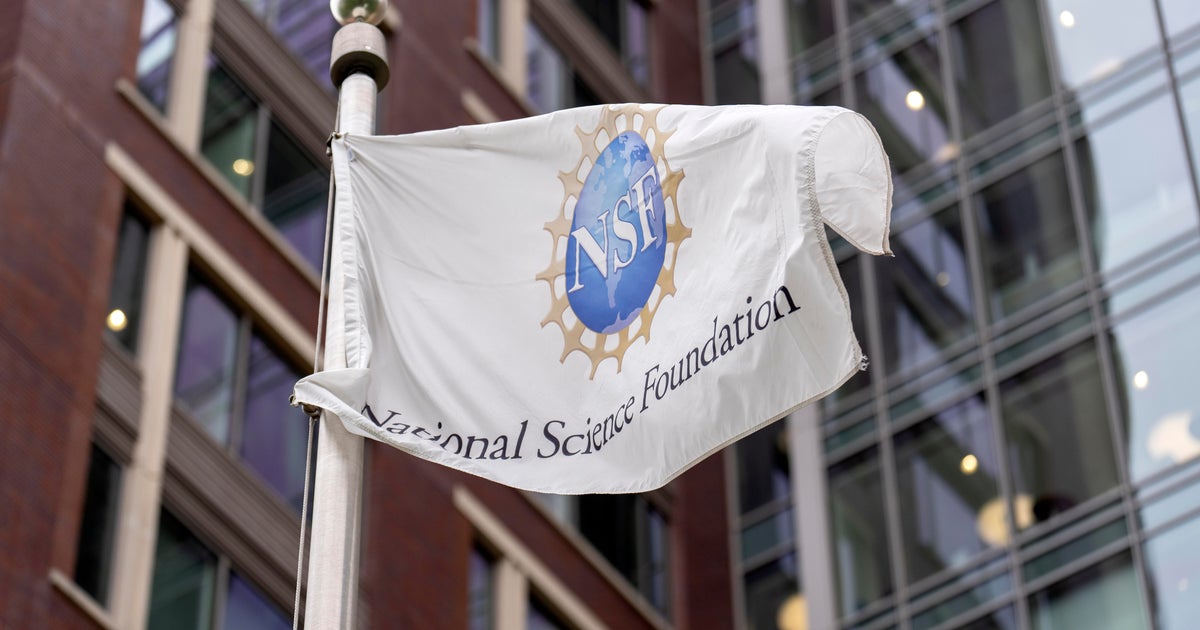
Beyond the personnel and budget issues, the National Science Foundation has also experienced physical changes that some interpret as symbolic of its diminished status. The foundation’s headquarters was recently relocated to a smaller building, with the U.S. Department of Housing and Urban Development taking over the NSF’s former, more spacious base in Alexandria, Virginia. While administrative relocations are not uncommon in government, the move to smaller quarters has been read by some as a signal of reduced ambitions and lowered expectations for the nation’s premier science funding agency. The combination of board dismissals, proposed budget cuts, and downsized physical facilities paints a picture of an institution under pressure, with its traditional role and influence potentially being redefined. For scientists and advocates of research funding, these changes raise troubling questions about whether the United States will maintain its historical commitment to scientific leadership or whether we are witnessing a fundamental shift in priorities that could cede ground to international competitors in crucial areas of research and development.
Looking Ahead: Uncertainty and Unanswered Questions
When contacted for comment, the National Science Foundation directed inquiries to the White House, which did not immediately respond. This silence has only amplified concerns within the scientific community about what comes next. Will new board members be appointed quickly, and if so, what criteria will be used to select them? Will the administration seek scientists who support its budget priorities, potentially compromising the board’s traditional independence? How will the absence of an advisory board affect the NSF’s ability to make sound decisions about funding priorities and strategic direction? These questions remain unanswered as the scientific community grapples with the implications of Friday’s mass dismissals. The situation highlights the tension between political authority and scientific independence, a balance that has generally served American interests well but now appears under strain. As other nations, particularly China, invest heavily in scientific research and development, the United States faces critical decisions about how it will support and nurture the scientific enterprise that has been so central to its prosperity and security. The ultimate impact of these board dismissals will depend largely on how quickly they are replaced, who is chosen to serve, and whether the new board members are given the independence necessary to provide honest, expert guidance on scientific matters—or whether the board will be reconstituted as a body more aligned with predetermined political objectives, fundamentally altering its role in American science policy.