

Sam Bankman-Fried Files for New Trial: A Deep Dive into the FTX Founder’s Latest Legal Battle
The Return of SBF: A Convicted Crypto Mogul Seeks Justice
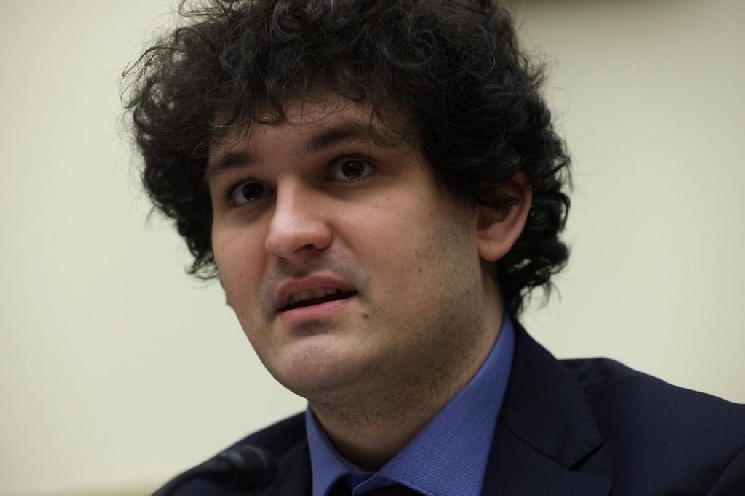
Sam Bankman-Fried, once celebrated as a wunderkind of the cryptocurrency industry and now known as the disgraced founder of the collapsed FTX exchange, has made a dramatic legal move that’s sending ripples through both the financial and legal communities. From behind bars, SBF has filed a formal request with the Southern District of New York Federal Court seeking a complete retrial of his case. This development marks a significant new chapter in what has already been one of the most spectacular falls from grace in modern financial history. The filing, registered as a “pro se” petition—meaning it represents the defendant acting on his own behalf rather than solely through traditional legal counsel—demonstrates that Bankman-Fried isn’t going down without a fight. His mother, Barbara H. Fried, a respected Professor Emerita at Stanford University Law School, physically submitted the documentation on her son’s behalf, as his incarceration prevents him from filing in person. The petition invokes Article 33 of the Federal Criminal Procedure Rule, which allows defendants to request new trials under specific circumstances, and comes complete with supporting legal memoranda and a statement from Daniel Chapsky, suggesting this is more than just a desperate last-ditch effort but rather a calculated legal strategy.
Understanding the Legal Framework: What Article 33 Really Means
The legal foundation of Bankman-Fried’s petition rests on Article 33 of the Federal Rules of Criminal Procedure, a provision that allows defendants to seek new trials based on specific grounds such as newly discovered evidence, procedural errors during the original trial, or issues that may have prevented a fair hearing. This particular rule is notoriously difficult to successfully invoke, as federal courts generally maintain a high threshold for overturning jury verdicts and completed trials. For SBF’s legal team and family to pursue this avenue suggests they believe there are substantial grounds—whether related to how evidence was presented, how the trial was conducted, or new information that has come to light since his conviction. The inclusion of supporting documents, including the legal memorandum and Daniel Chapsky’s statement, indicates a comprehensive approach to this appeal. Legal experts watching the case will be scrutinizing these documents for clues about the specific arguments being made. Is the defense claiming prosecutorial misconduct? Were there jury irregularities? Did new evidence emerge that fundamentally changes the narrative of what happened at FTX? The answers to these questions will determine whether this petition has any realistic chance of success or whether it represents simply the final gasps of a convicted fraudster unwilling to accept responsibility for his actions.
The Bankruptcy That Never Was: SBF’s Controversial Claims
Perhaps even more explosive than the legal filing itself are the statements Sam Bankman-Fried has been making on the social media platform X (formerly Twitter). In a series of posts that have left legal observers scratching their heads and wondering about the wisdom of a convicted defendant making public statements about his case, SBF has made the extraordinary claim that FTX never actually went bankrupt. “FTX never went bankrupt. I didn’t file for bankruptcy,” he declared, going on to allege that the lawyers who took control of the company after his ouster filed what he characterizes as a “fake bankruptcy filing” just four hours after assuming control. According to SBF, this wasn’t a legitimate legal proceeding necessitated by the company’s financial insolvency, but rather a calculated move by opportunistic attorneys looking to generate massive fees for themselves. These are serious allegations that, if true, would represent a stunning betrayal and legal misconduct of the highest order. However, they’re being made by someone who has already been convicted of multiple counts of fraud and conspiracy, which naturally raises questions about credibility. Bankman-Fried claims to have evidence supporting these assertions in the form of a sworn court statement dated January 2023, though the specifics of what this statement contains haven’t been fully disclosed. The timing of these public declarations—coinciding with his formal legal petition—suggests a coordinated strategy to reshape the narrative around FTX’s collapse, shifting blame away from SBF himself and toward the legal professionals who were brought in to clean up what prosecutors successfully argued was a multi-billion-dollar fraud.
Market Reaction: Why FTT Price Surged on the News
The cryptocurrency market, ever sensitive to news about major players and platforms, reacted immediately to word of Bankman-Fried’s new legal filing. The FTT token, which is the native cryptocurrency of the FTX exchange and which has been trading at a fraction of its former value since the platform’s collapse, experienced a noticeable price increase following the announcement. This market movement speaks to the complex psychology of cryptocurrency investors and the persistent hope among some stakeholders that FTX might somehow be resurrected or that they might recover some of their losses. The price bump also reflects the speculative nature of crypto markets, where even the slightest hint of positive news—or in this case, simply newsworthy developments—can trigger buying activity. However, financial analysts caution that this price movement should not be interpreted as a meaningful vote of confidence in either SBF’s legal prospects or FTX’s potential recovery. The reality is that FTX customers and creditors are still working through a complex bankruptcy process (regardless of SBF’s claims about its legitimacy), and the chances of the exchange ever operating again in any form remain exceptionally remote. The price increase is more likely driven by speculative traders looking to capitalize on short-term volatility rather than any fundamental change in the underlying situation. For the thousands of individuals and institutions who lost money when FTX collapsed, this temporary price movement offers little comfort and doesn’t change the harsh reality that most will never fully recover their funds.
The Broader Context: A Fall from Grace Unlike Any Other
To truly understand the significance of this latest development, it’s essential to remember just how dramatic Sam Bankman-Fried’s fall has been. Not long ago, he was valued at more than $26 billion, graced the covers of major financial publications, hobnobbed with celebrities and politicians, and was widely regarded as one of the most innovative thinkers in the cryptocurrency space. He presented himself as the “effective altruist” billionaire who was making money primarily so he could give it away to worthy causes, a narrative that helped him build credibility and trust. That carefully constructed image came crashing down in November 2022 when a liquidity crisis at FTX rapidly escalated into a full-blown collapse, revealing what prosecutors described as a years-long scheme in which customer funds were misappropriated and used for risky investments through Bankman-Fried’s trading firm, Alameda Research. The trial that followed was devastating for the defense, with former close associates and executives—including his ex-girlfriend Caroline Ellison—testifying against him and painting a picture of a company culture where fraud was normalized and customer protections were systematically ignored. The jury found him guilty on all counts, and he now faces the prospect of spending decades in federal prison. His conviction was widely seen as a watershed moment for cryptocurrency regulation and a signal that the industry wouldn’t be allowed to operate in a legal gray zone forever. Now, with this new filing, SBF is attempting to rewrite that narrative one more time, but he faces an uphill battle given the weight of evidence presented at trial and the testimony of multiple cooperating witnesses.
What Happens Next: Legal Realities and Long-Shot Appeals
As compelling as Bankman-Fried’s latest legal maneuver might seem to his supporters, legal experts generally agree that successfully obtaining a new trial under Article 33 is exceptionally difficult. Federal courts are reluctant to overturn jury verdicts unless there are truly compelling reasons—clear evidence of serious procedural errors, newly discovered evidence that couldn’t have been presented at trial and that would likely change the outcome, or other extraordinary circumstances. The fact that SBF’s mother, herself a distinguished legal scholar, personally filed the documents speaks to the family’s commitment to fighting these charges, but it doesn’t necessarily indicate that the petition has strong legal merit. Courts will scrutinize the supporting materials to determine whether they present genuinely new information or arguments that warrant the extraordinary step of granting a new trial, or whether they simply rehash arguments that were already considered and rejected. As for Bankman-Fried’s public claims about a “fake bankruptcy,” these statements are legally and strategically risky. Prosecutors could potentially use such statements against him in various proceedings, and they may complicate his legal situation rather than help it. The bankruptcy proceedings themselves have been moving forward under court supervision for more than a year, with estate administrators working to recover assets and distribute them to creditors. Thousands of pages of documentation, court testimony, and financial analysis support the conclusion that FTX was indeed deeply insolvent when bankruptcy was filed. For all these reasons, most observers believe this latest filing represents a long-shot appeal that is unlikely to succeed, though Bankman-Fried clearly believes he has nothing to lose by trying. The coming weeks and months will reveal whether the court sees any merit in his arguments or whether this represents simply another chapter in a cautionary tale about hubris, fraud, and the consequences of betraying the trust of millions of people who believed in a vision that turned out to be built on lies.