


Rising Gas Prices Put Pressure on American Drivers as Iran Conflict Continues
Steady Climb at the Pump Hits Wallets Hard
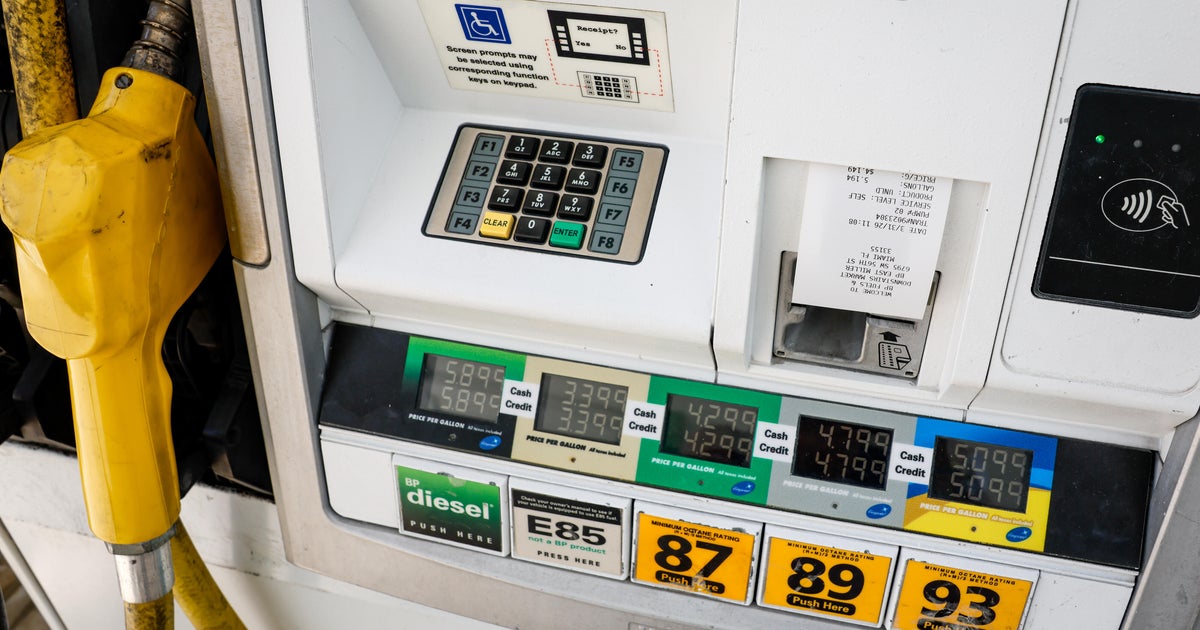
American drivers are feeling the pinch as gasoline prices continue their upward march, reaching $4.06 per gallon after breaking through the $4 threshold earlier this week. This marks the first time since August 2022 that the national average has climbed above the $4 mark, a psychological barrier that many hoped wouldn’t be crossed again so soon. According to data from AAA, the increase has been dramatic and swift – prices have surged by an eye-watering 36% since the conflict in Iran began. For families already struggling with the cost of living, this represents a significant additional burden on household budgets. Whether it’s the daily commute to work, dropping kids off at school, or running essential errands, the cost of keeping vehicles on the road has become noticeably more expensive in a relatively short period of time.
The Complex Connection Between Global Conflict and Your Local Gas Station
The situation unfolding in Iran isn’t just a distant geopolitical crisis – it’s having very real and immediate effects on what Americans pay at their neighborhood gas stations. The disruption to the world’s oil supply caused by the ongoing conflict is the primary driver behind these escalating prices. According to the U.S. Energy Information Administration, Brent crude oil accounts for more than half – specifically 51% – of what you pay for each gallon of gas. This direct connection means that when global oil markets experience disruption, it doesn’t take long for those effects to ripple through to consumers at the pump. The Strait of Hormuz, a narrow waterway that serves as a critical chokepoint for global energy supplies, has become effectively closed to most commercial shipping. This is particularly significant because roughly one-fifth of the entire world’s oil supply normally flows through this strategic passage. Analysis from Lloyd’s List Intelligence reveals that currently, the majority of ships still transiting the waterway have connections to Iran, indicating just how severely normal shipping operations have been impacted by the conflict.
Presidential Promises and Prime-Time Addresses
President Trump, speaking with CBS News on Tuesday, attempted to reassure Americans about the situation, stating that gas prices will drop “when we leave, when it’s over.” The timing of his comments is significant, as the White House has announced that the president will deliver a prime-time address to the nation on Wednesday night. Press Secretary Karoline Leavitt took to social media platform X to announce that the president would “provide an important update on Iran,” though specific details about what would be covered remain unclear. The administration has been signaling that it hopes to reach some kind of agreement with Iran and bring the military operation to a close within a matter of weeks. Leavitt has also directly addressed the concerns about rising fuel costs, telling CBS News in a Tuesday email that “When Operation Epic Fury is complete, gas prices will plummet back to the multi-year lows American drivers enjoyed before these short-term disruptions.” This message appears designed to frame the current price increases as temporary inconveniences rather than long-term trends, though many consumers remain skeptical about how quickly prices might actually fall once the conflict concludes.
Campaign Promises Meet Economic Reality
The current situation presents a significant challenge for President Trump, who made slashing energy prices one of the cornerstone promises of his campaign. Voters who supported him were often drawn to his commitments to lower the cost of fuel and energy more broadly, seeing it as a way to ease the financial pressures of everyday life. Now, with prices climbing substantially, the administration finds itself in the position of asking Americans to be patient while military operations continue and to trust that relief is coming once the conflict is resolved. This tension between campaign rhetoric and the complex realities of global energy markets highlights the difficulty any president faces in controlling factors that are often influenced by international events beyond direct American control. The administration’s strategy appears to be framing this as a short-term sacrifice necessary for longer-term gains, though it remains to be seen whether voters will accept this explanation if prices continue to rise or remain elevated for an extended period.
Expert Predictions Point to Continued Pain at the Pump
Despite the administration’s optimistic messaging about a potential quick resolution to the conflict, petroleum industry experts are painting a more cautionary picture for the immediate future. Patrick De Haan, a widely-followed petroleum analyst at GasBuddy, has been providing regular updates on his expectations for where prices are headed in the short term. In a post on X Wednesday, De Haan indicated that he expects several states across the Midwest – including Michigan, Indiana, and Ohio – could see their gas prices rise today. More broadly, he’s predicting that the national average will reach $4.10 per gallon before the week is out, representing yet another increase beyond the already elevated current levels. De Haan acknowledged the uncertainty surrounding the situation, noting that “The next chapter may be written tonight when Trump addresses the [nation],” suggesting that the president’s planned address could potentially move markets or at least provide more clarity about the timeline for resolution. However, his near-term predictions suggest that even with hopes for a diplomatic breakthrough, the mechanics of global oil markets mean prices are likely to continue floating higher before they potentially come back down.
What This Means for Everyday Americans
For millions of Americans, these statistical increases and geopolitical explanations translate into very concrete challenges in their daily lives. A 36% increase in gasoline prices means that workers with long commutes are seeing substantially higher costs just to get to their jobs. Families are having to make difficult choices about discretionary spending as more of their budget gets consumed by the necessity of keeping their vehicles running. Small business owners who rely on transportation – from delivery services to contractors who need to drive to job sites – are facing squeezed profit margins that they may struggle to pass along to their customers. The ripple effects extend beyond just the cost of fuel itself, as transportation costs factor into the price of nearly everything else, from groceries to goods ordered online. While the administration insists these increases are temporary disruptions that will be reversed once military operations conclude, the uncertainty about when that might happen and whether prices will actually fall as dramatically as promised leaves many Americans anxious about their financial futures. The coming days and weeks will be crucial in determining whether the president’s optimistic projections prove accurate or whether Americans will continue to face elevated costs for the foreseeable future, potentially reshaping the political landscape as voters evaluate whether their economic situations are improving or deteriorating under the current administration.