

Crisis in Immigration Legal Aid: Justice Department Program Grinds to a Halt
Critical Program Left Without Qualified Staff
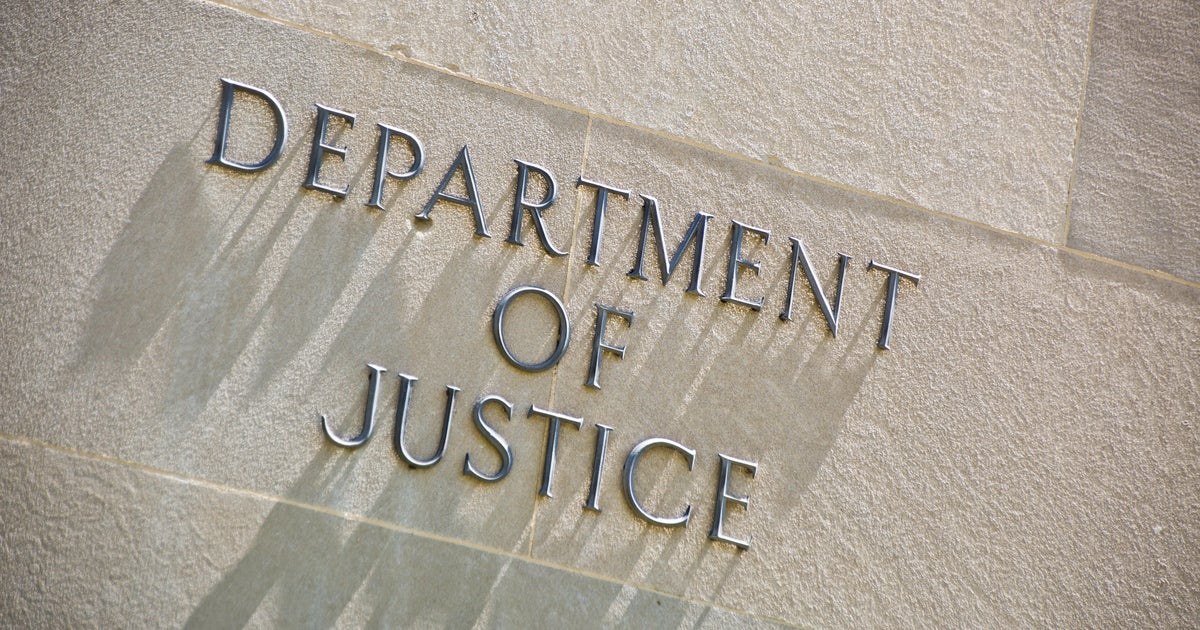
The Justice Department’s Recognition and Accreditation program, which serves as a lifeline for low-income immigrants seeking legal assistance, has effectively ground to a complete halt. Since March, not a single new application has been approved after all the program’s senior attorneys were quietly reassigned to other offices without explanation. According to sources with direct knowledge of the situation, the small group of experienced lawyers who operated this vital program within the Executive Office for Immigration Review were transferred to work in nearby immigration courts about a month ago. This leaves the program with only two support staff members who lack the legal authority to approve or deny applications, creating a massive backlog as applications continue to pour in at a rate of 40 to 60 per week. The program plays a crucial role in America’s immigration system by certifying non-attorneys who work for predominantly faith-based legal advocacy organizations, enabling them to help immigrants navigate complex legal processes from naturalization petitions to court representation.
Understanding the Recognition and Accreditation Program’s Vital Role
The Recognition and Accreditation program has long served as an essential bridge connecting vulnerable immigrant populations with much-needed legal assistance. This Justice Department initiative certifies representatives from largely faith-based organizations like Catholic Charities and Jewish Family Services, empowering these trained individuals to provide legal guidance and representation to immigrants who cannot afford private attorneys. These accredited representatives handle everything from helping families complete citizenship applications to standing beside immigrants in immigration court proceedings. The program essentially multiplies the legal resources available to immigrant communities by allowing qualified non-attorneys to perform many of the same functions as immigration lawyers. Without these accredited representatives, countless low-income immigrants would have no access to legal assistance whatsoever, potentially facing deportation proceedings or struggling through complex bureaucratic processes entirely alone. The program represents a practical recognition that there are simply not enough immigration attorneys to meet the overwhelming demand for legal services in immigrant communities across America.
Real-World Impact on Organizations and Communities
The gutting of this program is already having devastating ripple effects throughout the nonprofit sector and the immigrant communities they serve. Rocío Pulido, director for capacity building at the Resurrection Project in Chicago, explained to CBS News how the crisis extends far beyond her organization’s walls. The Resurrection Project not only employs its own accredited representatives but also trains others to become certified and provides funding for legal aid to partner organizations throughout Illinois. When CBS News first broke the story about the office’s dismantling, Pulido’s organization immediately convened an emergency call with state partners to assess the damage and coordinate a response. “This severely impacts our ecosystem and our ability to provide legal services,” Pulido emphasized, highlighting how interconnected these support networks have become. She pointed out that Illinois has a huge undocumented immigrant population with overwhelming demand for immigration legal services that cannot possibly be met by licensed attorneys alone. The program’s paralysis threatens to leave thousands of vulnerable individuals without any pathway to legal assistance precisely when they may need it most.
Mounting Pressure and Calls for Restoration
The crisis has sparked a coordinated response from the nonprofit community, with more than 330 organizations that participate in the program banding together to demand action. Earlier this week, these groups sent a joint letter to Acting Attorney General Todd Blanche and Daren Margolin, the director of the Executive Office for Immigration Review, urgently requesting that they restore full functionality to the program. In their letter, the organizations detailed how processing times had already stretched to an agonizing 6 to 8 months in 2025 due to chronic understaffing even before the recent staff reassignments. The abrupt transfer of all federal staff from the program has created unprecedented setbacks for legal service providers and the immigration review office itself. “We urge you to act now to restore the R&A program to full operation,” the groups wrote, emphasizing the time-sensitive nature of the crisis. The collective voice of hundreds of organizations serving immigrant communities nationwide represents a powerful testament to the program’s importance and the widespread concern about its sudden paralysis.
Questions About Transparency and Government Communication
The manner in which this program was effectively dismantled has raised serious questions about transparency and communication within the Justice Department. The reassignment of all qualified attorneys happened quietly, without public announcement or explanation to the stakeholder organizations that depend on the program. When CBS News first reported on the situation last month, the Justice Department issued a statement claiming that the program was not being ended and would continue—a statement that now rings hollow given that no applications have been processed since March. A Justice Department spokesperson did not immediately respond to requests for comment about the application backlog or plans to restore the program’s functionality. This lack of communication has left hundreds of nonprofit organizations in limbo, unable to plan for the future or understand whether the program will ever return to normal operations. The silence from the Justice Department stands in stark contrast to the vocal concerns being raised by the organizations and communities affected by the program’s collapse.
Broader Implications for Immigration Justice
The crisis in the Recognition and Accreditation program highlights broader challenges within America’s immigration system and the ongoing struggle to provide adequate legal representation to immigrant populations. Immigration law is notoriously complex, yet unlike criminal proceedings, immigrants facing deportation have no constitutional right to appointed counsel. This makes programs like Recognition and Accreditation absolutely critical for ensuring that low-income immigrants have any access to legal guidance whatsoever. The program’s effective shutdown comes at a time when immigration enforcement activities are reportedly increasing, potentially leaving more people in desperate need of legal assistance with fewer resources available to help them. The situation also raises questions about government priorities and resource allocation—the attorneys who staffed the Recognition and Accreditation program were reassigned to immigration courts, suggesting a possible shift toward prioritizing enforcement and adjudication over ensuring access to legal representation. As the backlog of applications grows by dozens each week and hundreds of organizations wait anxiously for restoration of services, the future of this vital program remains uncertain, leaving vulnerable immigrant communities across America wondering where they will turn for help navigating an increasingly complex and intimidating legal system.