



Hershey Returns to Classic Reese’s Recipe After Family Criticism
A Sweet Controversy Sparks Corporate Change
In a significant move that highlights the delicate balance between cost-cutting and brand heritage, Hershey announced this Wednesday that it will return to using classic recipes for all Reese’s products beginning in 2027. This decision comes on the heels of passionate criticism from Brad Reese, the grandson of the candy’s original inventor, who publicly called out the company for what he described as a betrayal of the brand’s foundational values. The controversy began when Brad Reese penned a pointed letter on Valentine’s Day to Hershey’s corporate brand manager, questioning how the company could position Reese’s as its flagship brand while quietly substituting the very ingredients that built consumer trust in the first place. His letter, which he shared on his LinkedIn profile, struck a chord with consumers who had begun noticing changes in their beloved treats, sparking a broader conversation about corporate responsibility, product quality, and the authentic legacy of iconic American brands.
The Heart of the Matter: What Changed and Why
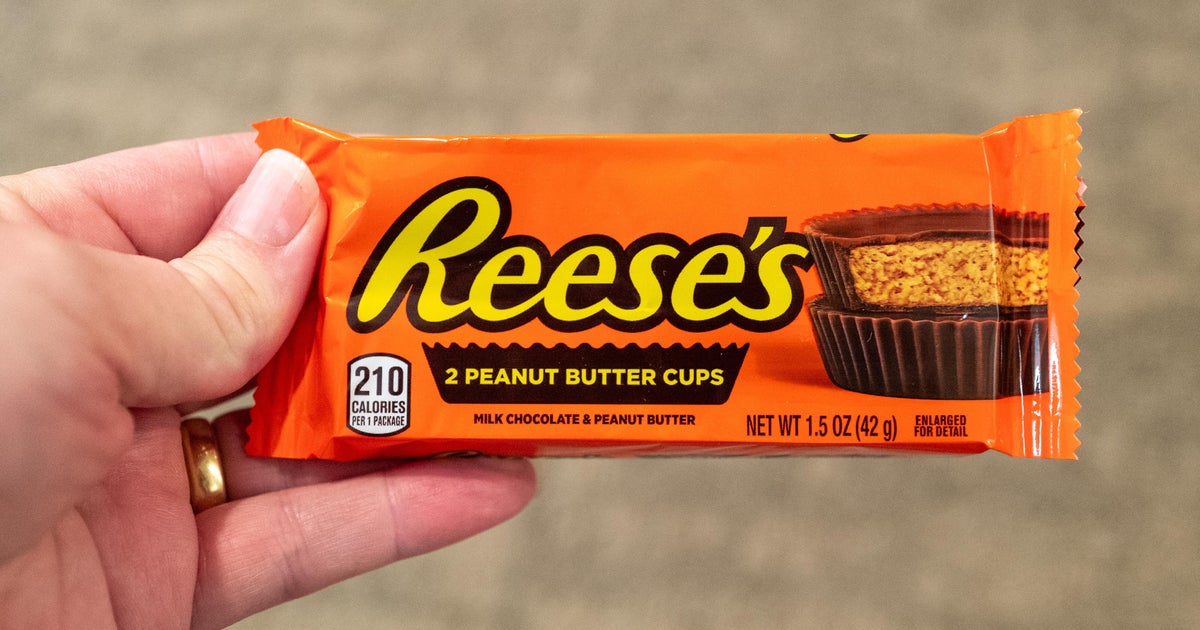
The core issue at stake involves the ingredients used in certain Reese’s products. While the classic Reese’s Peanut Butter Cups have always maintained their integrity with real milk chocolate or dark chocolate combined with peanut butter, some smaller or seasonal items in the product line had undergone quiet transformations. Specifically, products like the miniature Easter eggs and other specialty items had been reformulated with a coating that contains less actual chocolate than the original recipe called for. This shift, though affecting only a small portion of Hershey’s and Reese’s product offerings, represented a fundamental departure from the brand promise that H.B. Reese established nearly a century ago. The company’s decision to use these alternative coatings wasn’t made in a vacuum—high cocoa prices in recent years have pressured Hershey and other chocolate manufacturers to explore ways to reduce costs while maintaining profitability. The global cocoa market has experienced significant volatility, with prices reaching unprecedented levels, forcing confectionery companies to make difficult choices about how to balance their financial obligations to shareholders with their promises to consumers who have remained loyal to these brands for generations.
The Reese Family Legacy and a Letter That Made Waves
To understand the weight behind Brad Reese’s criticism, it’s important to appreciate the history woven into every Reese’s Peanut Butter Cup. H.B. Reese, Brad’s grandfather, was no stranger to the candy business when he started his entrepreneurial journey. He had spent two years working at Hershey before striking out on his own in 1919 to form the H.B. Reese Candy Company. It wasn’t until 1928, after years of experimentation and dedication to his craft, that H.B. Reese created the perfect combination of chocolate and peanut butter that would become one of America’s most beloved confections. The Reese’s Peanut Butter Cup wasn’t just another candy—it was a testament to quality ingredients and a specific vision of what a chocolate treat should be. H.B. Reese built his business on the simple promise of milk chocolate and peanut butter, nothing more and nothing less. His six sons eventually continued his legacy, and in 1963, they made the decision to sell the company to Hershey, trusting that the larger corporation would honor their father’s commitment to quality. For Brad Reese, seeing the company quietly shift away from the ingredients his grandfather fought so hard to perfect felt like a betrayal not just of his family’s legacy, but of the millions of consumers who trusted the Reese’s name to mean something specific and unchanging.
Hershey’s Response and Broader Recipe Revisions
In response to the controversy and perhaps recognizing the public relations challenge it faced, Hershey made a comprehensive announcement that went beyond just addressing the Reese’s recipe concerns. The company stated that by 2027, all products bearing the Reese’s name will return to their classic milk chocolate and dark chocolate recipes, effectively ending the practice of using lower-chocolate coatings on any items in the line. But Hershey didn’t stop there—the company used this moment to unveil a broader strategy for recipe improvements across its entire portfolio. Among the changes announced, Hershey revealed plans to transition to natural colors in its products, responding to consumer demands for cleaner ingredient labels and fewer artificial additives. The company also announced enhancements to the KitKat recipe, promising a creamier texture that they believe will appeal to modern tastes. To support these initiatives, Hershey committed to increasing its research and development funding by an impressive 25% next year, signaling that this isn’t just a reactive measure but part of a larger investment in product quality and innovation. In their official statement, the company emphasized that “Hershey is committed to making products consumers love and that means continually reviewing our recipes to meet evolving tastes and preferences.” This careful wording attempts to frame the situation not as a retreat from cost-cutting measures but as a proactive response to what consumers want, though cynics might note that it took public criticism from the founder’s grandson to spur this particular evolution.
The Broader Industry Context and Economic Pressures
The Reese’s recipe controversy doesn’t exist in isolation—it reflects broader challenges facing the entire confectionery industry. The past few years have seen dramatic increases in cocoa prices, driven by a combination of factors including climate change affecting crop yields in West Africa, where most of the world’s cocoa is produced, supply chain disruptions, and increased global demand. These economic pressures have forced chocolate manufacturers worldwide to make difficult decisions about their products. Some companies have reduced the size of their candy bars while maintaining the same price—a practice known as “shrinkflation.” Others, like Hershey initially did with some Reese’s products, have experimented with alternative formulations that use less chocolate. Still others have simply raised prices, passing the increased costs directly to consumers. Each approach carries risks: reducing size or changing ingredients can damage brand trust, while raising prices can drive consumers to competitors or alternative snacks. Hershey’s initial decision to reformulate some Reese’s products was likely seen as a reasonable compromise—affecting only a small portion of the product line while preserving the core offerings that define the brand. However, the company may have underestimated how protective consumers feel about products that have been part of their lives for generations, and how quickly changes to beloved treats can spark backlash, especially when amplified by someone with the credibility and emotional connection of a founder’s family member.
What This Means for Consumers and Brand Heritage
Hershey’s decision to reverse course on the Reese’s recipe changes represents more than just a corporate policy adjustment—it’s a case study in the power of brand heritage and the authentic connections consumers feel with products that have been part of their family traditions for generations. For millions of Americans, Reese’s Peanut Butter Cups aren’t just candy; they’re tied to memories of Halloween trick-or-treating, Easter basket surprises, movie theater visits, and countless other moments that make up the fabric of life. When companies change these products, even in ways that might seem minor from a corporate perspective, they’re tampering with something that feels personal and sacred to consumers. Brad Reese’s letter resonated because it gave voice to what many consumers felt but couldn’t articulate—that some things shouldn’t change simply because doing so might improve quarterly earnings. The fact that Hershey responded not just by reversing the Reese’s changes but by committing to broader quality improvements and increased R&D spending suggests that the company recognized the larger message: in an age when consumers have more choices than ever and can easily share their opinions through social media, authenticity and quality can’t be treated as negotiable. While we await to hear Brad Reese’s response to Hershey’s announcement—the Associated Press reported leaving a message seeking his comment—the initial outcome appears to be a victory for those who believe that some aspects of our shared cultural heritage deserve protection from the relentless pressure of cost optimization. Whether Hershey can successfully navigate the economic challenges of expensive cocoa while honoring its commitment to classic recipes remains to be seen, but for now, consumers can look forward to a future where every Reese’s product, from the classic cups to the smallest seasonal treat, will once again contain the real milk chocolate and peanut butter that H.B. Reese used when he created his masterpiece nearly a century ago.