


Federal Reserve March Interest Rate Decision: What Markets Are Watching
The Moment Everyone’s Been Waiting For
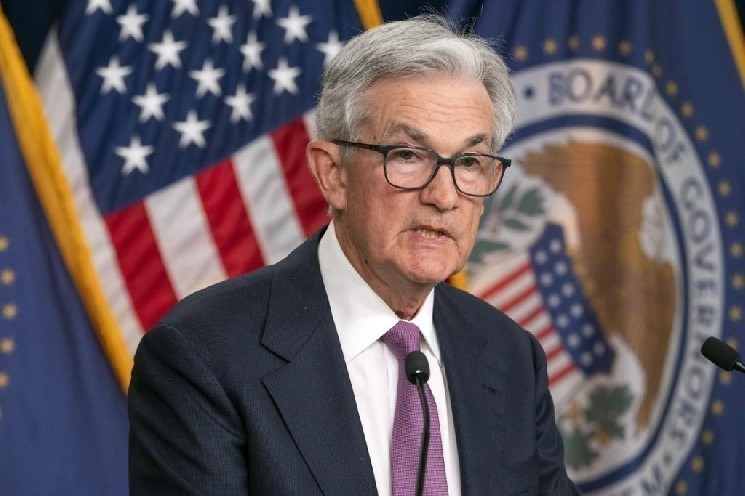
In just about thirty minutes, the financial world will be holding its collective breath as the Federal Reserve announces its latest interest rate decision. It’s one of those moments that gets traders, investors, and economists all leaning forward in their chairs, refreshing their screens repeatedly. But the real fireworks are expected to come later in the evening, around 9:30 PM Turkish time, when Fed Chairman Jerome Powell steps up to the podium for his highly anticipated press conference. These aren’t just routine remarks we’re talking about – Powell’s words have a unique power to move markets, set the tone for investment strategies, and signal where the world’s largest economy might be headed in the coming months. Every pause, every carefully chosen phrase, and every subtle shift in tone gets analyzed by thousands of market participants looking for clues about the Fed’s next moves. It’s a bit like watching a chess grandmaster explain their strategy – experienced observers can read between the lines and anticipate what might come next.
What The Smart Money Is Betting On
If you’ve been following the futures markets – and let’s be honest, plenty of people have been watching them like hawks – you’ll know that there’s an overwhelming consensus about what’s coming. Market participants are putting their money where their mouth is, with futures pricing showing a staggering 99% probability that the Federal Reserve will leave interest rates exactly where they are right now, sitting comfortably in the 3.50% to 3.75% range. That’s about as close to certainty as you can get in financial markets, where nothing is ever truly guaranteed. This strong consensus didn’t develop overnight; it’s the result of careful analysis of economic data, Fed communications, and the broader financial landscape. When you see that kind of unified expectation, it means that any surprise deviation from the expected outcome could trigger significant market volatility. Traders have positioned themselves based on this expectation, so if the Fed were to shock everyone with a different decision, we could see some pretty dramatic market reactions. But barring any major surprises, it looks like the Fed is planning to maintain its wait-and-see approach, keeping rates steady while they monitor how the economy responds to their previous policy moves.
The Middle East Wild Card That’s Keeping Policymakers Up At Night
Here’s where things get considerably more complicated than a simple “change rates or don’t” decision. The Federal Reserve doesn’t operate in a vacuum, and right now, there are some serious storm clouds gathering on the geopolitical horizon that could throw a wrench into their carefully laid plans. The situation in the Middle East, particularly the escalating tensions involving Iran, has energy markets on edge and prices climbing upward. For the Fed, this presents a genuine headache because higher energy prices have a nasty habit of seeping into every corner of the economy. When oil and natural gas prices rise, it’s not just drivers who feel the pinch at the pump – those increased costs ripple through the entire economic system like dominoes falling in slow motion. Transportation companies pay more to move goods, manufacturers face higher production costs, and eventually, those increased expenses make their way to consumer prices across the board. This is exactly the kind of inflationary pressure that the Fed has been working so hard to tame over the past couple of years. Just when they thought they might be getting inflation under control, here comes this external factor that’s completely outside their ability to influence through monetary policy. It’s a reminder that central bankers, despite all their tools and authority, can’t control everything that affects the economy.
Political Pressure and Drama at the Highest Levels
As if the economic challenges weren’t enough, there’s also a significant political dimension to this whole situation that adds another layer of complexity and intrigue. President Donald Trump hasn’t been shy about sharing his views on what the Federal Reserve should be doing – he’s been vocal and persistent in calling for interest rate cuts. This puts Powell in an uncomfortable position, caught between political pressure from the White House and the Fed’s mandate to make decisions based on economic data and long-term stability rather than short-term political considerations. The tension has escalated to the point where there’s actually an ongoing investigation into Chairman Powell by the administration, which is pretty extraordinary when you consider the Fed’s traditional independence from political interference. This unusual situation has even led to speculation about who might replace Powell, with Kevin Warsh emerging as a potential candidate, though his consideration has been put on hold for now. Meanwhile, behind the scenes, legal experts are apparently exploring various scenarios about how Powell might remain involved with the Fed board even after his current term as chairman comes to an end. It’s the kind of political drama that would make for compelling television, except it’s all very real and has significant implications for the world’s most influential central bank and, by extension, the global economy.
What Market Experts Are Really Worried About
When seasoned financial professionals start using words like “particularly worrying,” it’s probably a good idea to pay attention. Rob Haworth, who serves as Senior Director of Investment Strategy at the Bank of the United States Asset Management Group, has been watching the situation carefully and sharing his insights about what might unfold. Like most observers, he expects the Fed to maintain the status quo and leave rates unchanged at this meeting – that part is fairly straightforward and aligns with the broader market consensus. But here’s where it gets interesting: Haworth has flagged that any hint, any suggestion, or any signal from the Fed that they might be considering raising interest rates in the future could send markets into a tailspin. After all the progress made in bringing inflation down and the economy adjusting to higher rates, the last thing investors want to hear is that rates might go even higher. Haworth has also emphasized the critical connection between energy prices and inflation, pointing out what seems obvious in hindsight but is crucial for understanding monetary policy: when oil prices climb, inflation typically follows along for the ride. It’s one of those economic relationships that’s been proven time and again throughout history. His perspective represents the kind of cautious optimism mixed with legitimate concern that seems to be prevalent among financial professionals right now – hoping for the best but preparing for various scenarios.
What This All Means for Everyone Watching
The broader picture here is that we’re at a fascinating crossroads where economic policy, geopolitical events, and political dynamics are all colliding in real-time. For ordinary people who might not follow every twist and turn of Federal Reserve policy, it’s worth understanding that these decisions have real-world implications that eventually touch everyone’s lives. Interest rates influence everything from mortgage costs and credit card rates to business investment decisions and job creation. When the Fed holds rates steady, as expected, it’s essentially saying that they believe the economy is in a place where it doesn’t need additional stimulus from lower rates, but also doesn’t require the cooling effect of higher rates. It’s a Goldilocks moment of trying to keep things “just right.” However, the external pressures from energy markets and the political complications surrounding Powell’s position remind us that even the most powerful central bank in the world has to navigate forces beyond its control. As we await the official announcement and Powell’s subsequent press conference, financial markets will be listening not just to what is said, but how it’s said – the tone, the emphasis, the body language. These communications have been elevated to an art form, with every word carefully chosen to avoid unintentionally triggering market volatility while still providing enough information to help markets function efficiently. For those watching and waiting, whether you’re a professional trader or just someone trying to understand how these decisions might affect your financial future, the key takeaway is that we’re in a period of continued uncertainty where patience and careful observation are probably the wisest approaches. The Fed’s job is never easy, but right now, with so many competing pressures and considerations, it’s particularly challenging, and we’re all along for the ride as they navigate these complex waters.