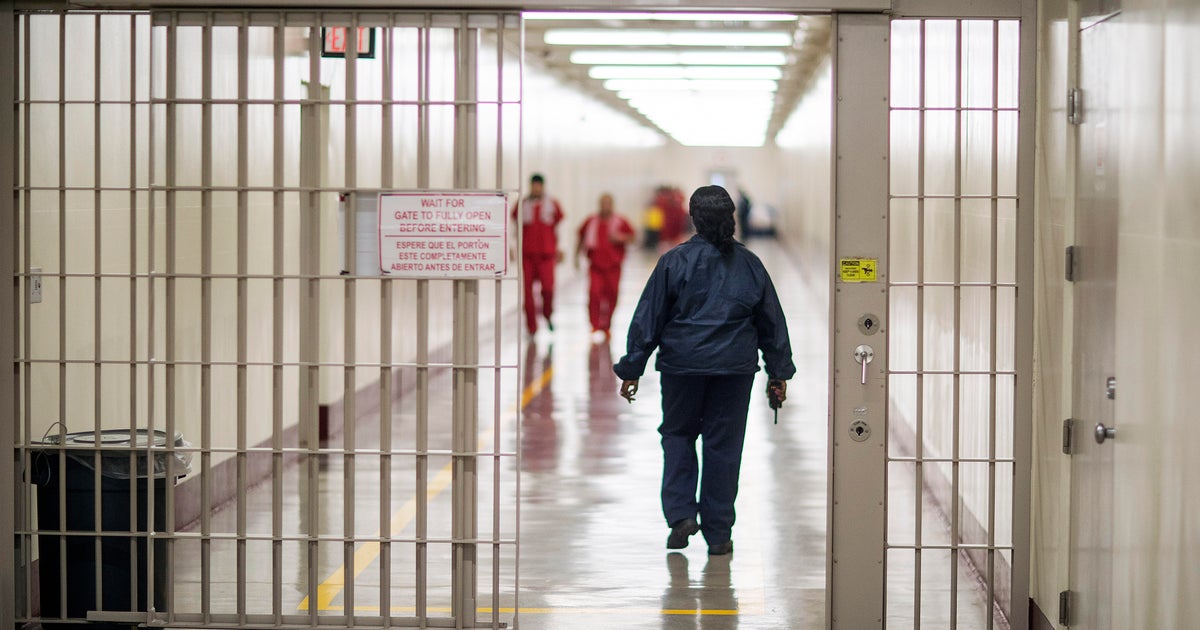

Alarming Rise in ICE Detention Deaths Raises Serious Concerns About Facility Conditions
A Troubling Pattern Emerges in Immigration Detention
The United States is facing a deeply concerning trend within its immigration detention system. Immigration and Customs Enforcement (ICE) has reported the death of an 18th person in their custody so far this year, a number that signals we may be heading toward a heartbreaking new record. The latest victim was Denny Adan Gonzalez, a 33-year-old man from Cuba who was found unresponsive in his cell at the Stewart Detention Center in Lumpkin, Georgia, on a Tuesday evening. The facility, operated by a private company, has been part of the broader network of detention centers where immigrants await deportation proceedings. ICE officials have indicated that they suspect Gonzalez took his own life, though their investigation into the circumstances surrounding his death continues. This tragic incident is just one of many that have occurred with alarming frequency during the first four months of 2026, raising urgent questions about what’s happening behind the walls of these detention facilities.
Historical Context and Record-Breaking Numbers
To understand just how serious this situation has become, we need to look at the historical data. Last year alone, ICE recorded 31 deaths among people in their custody—the highest number in twenty years and dangeringly close to the all-time record of 34 deaths set back in 2004. At the current pace, with 18 deaths already reported just four months into the year, we’re on track to shatter that grim record. These aren’t just statistics; each number represents a person with a story, a family, and a life that ended while in government custody. The death rate has also increased when accounting for the size of the detained population. In 2025, there were 5.6 deaths per 10,000 detainees—the highest rate since 2020 when the COVID-19 pandemic swept through detention facilities. Among those who have died this year are individuals from diverse backgrounds, including an Afghan refugee who had worked alongside American military forces in Afghanistan and a Mexican teenager. These deaths represent not just a failure of the system but real human tragedies that have devastated families and communities.
The Story of Denny Adan Gonzalez
Denny Adan Gonzalez’s journey through the immigration system illustrates the complex circumstances that often lead people into ICE detention. According to agency records, Gonzalez first entered the United States in May 2019 through an official port of entry along the Texas border—meaning he presented himself to authorities rather than crossing illegally. However, he was deported the following year in 2020. Like many who are deported, Gonzalez eventually returned, reentering the country illegally in 2022. At that point, U.S. immigration officials encountered him but made the decision to release him rather than detain him. His situation changed dramatically in December when local police in Charlotte, North Carolina, arrested him on assault and domestic violence charges. This arrest triggered ICE’s involvement, and the federal agency took him into custody in January. From that point until his death on Tuesday, Gonzalez remained in ICE detention at the Stewart facility, never seeing freedom again. His death by suspected suicide raises painful questions about the mental health support available to detainees and the psychological toll of indefinite detention.
The Connection to Increased Enforcement Operations
The dramatic spike in deaths among ICE detainees hasn’t happened in a vacuum. It has directly coincided with the Trump administration’s aggressive nationwide deportation campaign, which has significantly expanded the number of people held in immigration detention. Earlier this year, the detention population swelled to an unprecedented 70,000 people—far more than the system was designed to handle. While that number has since decreased to around 60,000 following public backlash and the administration’s decision to scale back some of its more aggressive operations in cities like Minneapolis, the detention population remains higher than under any previous administration in American history. This explosive growth has put enormous strain on detention facilities, many of which are privately operated and have long faced criticism for prioritizing profits over humane conditions. As facilities become increasingly overcrowded and resources stretched thin, the environment becomes more dangerous for everyone involved. The people detained aren’t just those who crossed the border illegally; according to ICE’s own statements, many had been arrested by local law enforcement on various charges ranging from theft and fraud to resisting an officer, triggering their transfer to federal immigration custody.
Reports of Deteriorating Conditions Inside Detention Centers
As the detention population has ballooned, alarming reports have emerged from across the country about the conditions people are experiencing inside these facilities. Former detainees, their attorneys, and advocacy organizations have documented problems including severe overcrowding, with people sometimes sleeping on floors or in spaces never intended for human habitation. Medical care has been described as inadequate, with detainees reporting difficulties accessing necessary medications, delays in treatment for serious conditions, and insufficient mental health services. Food quality and quantity have also been subjects of complaint, with some detainees reporting that they’re not receiving enough to eat or that the food provided is nutritionally inadequate. These substandard conditions create an environment where physical and mental health can rapidly deteriorate, particularly for people already traumatized by their journeys to the United States or the circumstances that forced them to flee their home countries. The lack of adequate mental health support is particularly concerning given that several of this year’s deaths have been attributed to suicide, suggesting that detained individuals are experiencing severe psychological distress without access to appropriate intervention and care.
ICE’s Response and the Path Forward
In the face of mounting criticism and these devastating death statistics, ICE has consistently defended its detention practices. In its statement following Gonzalez’s death, the agency repeated its standard assertion that “ICE is committed to ensuring that all those in custody reside in safe, secure, and humane environments.” The agency maintains that “comprehensive medical care is provided from the moment individuals arrive and throughout their stay.” However, these reassurances ring hollow when set against the reality of 18 deaths in just four months and the numerous documented complaints about conditions. The gap between ICE’s official statements and the lived experiences of detainees suggests a systemic problem that requires urgent attention. Moving forward, there’s an obvious need for independent oversight of detention facilities, improved medical and mental health services, reduced reliance on detention as an immigration enforcement tool, and alternatives to detention that would allow people to remain in their communities while their cases are processed. The current trajectory is unsustainable and unconscionable. Each death represents a failure of the system to protect vulnerable people in government custody. As we continue through 2026, the question isn’t just whether we’ll set a new record for detainee deaths, but whether we have the political will to prevent these tragedies and create an immigration system that treats people with the dignity and humanity they deserve, regardless of their legal status.