


Japan’s Thriving Cryptocurrency Market: A Comprehensive Look at Regulated Digital Assets
Introduction: A Beacon of Crypto Regulation in Asia
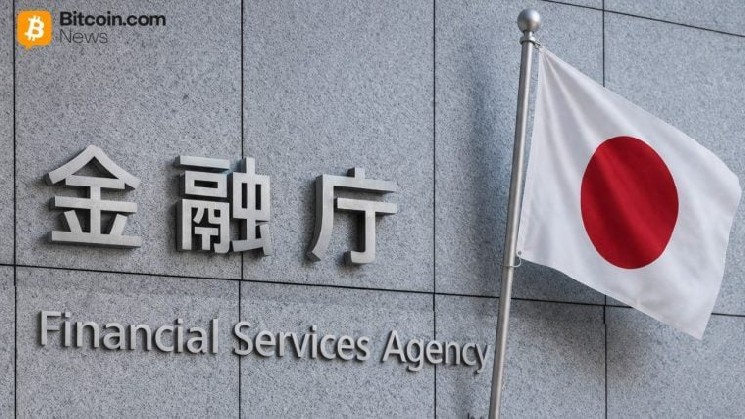
Japan has emerged as one of the world’s most progressive yet carefully regulated cryptocurrency markets, demonstrating that innovation and oversight can coexist harmoniously. While many countries struggle to define their approach to digital assets, Japan has established a comprehensive framework that balances market growth with consumer protection. The Japanese Financial Services Agency (FSA) maintains meticulous records of every cryptocurrency traded on licensed platforms, creating a transparent ecosystem where investors can participate with greater confidence. As of early 2025, the country’s regulated crypto landscape includes over 100 distinct digital tokens traded across 28 registered service providers, ranging from global giants like Binance and Coinbase to domestic specialists serving local investors. This extensive network represents years of careful policy development following the country’s early experiences with unregulated exchanges, including the notorious Mt. Gox collapse that taught regulators valuable lessons about the importance of proper oversight. Today, Japan’s approach serves as a model for other nations seeking to embrace blockchain technology while protecting their citizens from fraud and excessive risk.
The Regulatory Framework: How Japan Manages Its Crypto Ecosystem
At the heart of Japan’s cryptocurrency success lies the Payment Services Act, a comprehensive legal framework that treats digital assets as a legitimate form of value transfer while imposing strict standards on service providers. The FSA doesn’t simply allow exchanges to operate freely—each platform must register with the agency and receive explicit approval for every single token it wishes to offer to Japanese customers. This token-by-token approval process ensures that regulators maintain visibility into the entire market, understanding exactly what assets citizens can access and which companies are responsible for custody and trading services. The latest FSA registry, updated in late February 2025, catalogs approximately 520 token entries across all registered exchanges. However, this number includes duplicates, as the same cryptocurrency might be listed on multiple platforms. When these overlaps are eliminated, the actual number of unique digital assets available to Japanese investors exceeds 100 distinct tokens. The registry’s meticulous nature extends to tracking legacy tokens, rebranded assets, and merged projects separately, ensuring complete traceability even as blockchain projects evolve. This attention to detail might seem bureaucratic to outsiders, but it reflects Japan’s commitment to transparency and accountability in an industry that has historically struggled with both.
Market Participants: From Global Giants to Local Specialists
The diversity among Japan’s 28 registered cryptocurrency service providers reveals different strategic approaches within the same regulatory environment. At one end of the spectrum, Binance Japan offers access to 65 different tokens, providing investors with extensive choice spanning multiple blockchain ecosystems and use cases. Other major players like Bittrade (48 tokens), Bitbank (44 tokens), Bitflyer (39 tokens), Coincheck (37 tokens), and SBI VC Trade (35 tokens) similarly offer broad portfolios that cater to investors seeking exposure to various segments of the digital asset market. These larger platforms typically serve customers interested in exploring emerging technologies, from decentralized finance protocols to gaming tokens and artificial intelligence-related projects. On the opposite end, some providers have chosen laser-focused strategies—Money Partners and Coinhub exclusively support Bitcoin, appealing to conservative investors who prefer the oldest and most established cryptocurrency without the complexity of altcoin trading. Interestingly, Coinbase appears on the FSA registry without any listed tokens in the current snapshot, suggesting either an inactive status or a strategic pause in operations while the company evaluates its Japan market approach. This variation in business models demonstrates that Japan’s regulatory framework, while strict, doesn’t enforce a one-size-fits-all approach. Instead, it allows companies to differentiate themselves through asset selection and service offerings while maintaining baseline compliance standards that protect consumers regardless of which platform they choose.
Token Diversity: What Japanese Investors Can Access
The over 100 tokens available in Japan’s regulated market span an impressive range of blockchain networks, applications, and use cases, reflecting the maturation of the cryptocurrency industry beyond simple payment systems. The list includes familiar infrastructure giants like Bitcoin (BTC), Ethereum (ETH), and other major Layer 1 blockchains such as Solana (SOL), Cardano (ADA), Polygon (POL), and Avalanche (AVAX). These foundational networks support thousands of decentralized applications and represent different approaches to solving blockchain’s technical challenges. Japanese investors also have access to Layer 2 scaling solutions like Arbitrum (ARB) and Optimism (OP), which help make Ethereum transactions faster and cheaper. The gaming and metaverse category is well-represented with tokens like Axie Infinity (AXS), The Sandbox (SAND), ApeCoin (APE), and locally-developed projects like Oasys (OAS). Artificial intelligence-related tokens such as Fetch.ai (FET) and Render (RENDER) reflect growing interest in the intersection of AI and blockchain technology. Decentralized finance protocols are represented by assets like Chainlink (LINK), Graph (GRT), and others that power lending, trading, and data services without traditional intermediaries. Even stablecoins like DAI, which maintain stable values pegged to fiat currencies, have found approval within Japan’s framework. Perhaps most surprisingly for a conservative regulatory environment, the list includes memecoins like Dogecoin (DOGE), Shiba Inu (SHIB), Pepe (PEPE), and even the controversial Trump token, demonstrating that Japanese regulators distinguish between preventing fraud and making subjective judgments about which projects have merit. Japanese-specific projects like MonaCoin (MONA), Jasmy (JASMY), and various other locally-developed tokens highlight the country’s domestic blockchain innovation ecosystem.
Regulatory Philosophy: Protection Without Endorsement
Despite maintaining this extensive registry, Japanese regulators have been careful to clarify what inclusion on the list does and doesn’t mean. The FSA explicitly states that a token’s presence on the approved list doesn’t constitute an endorsement, recommendation, or guarantee of value. Rather, it simply confirms that the asset meets the legal definition of a cryptocurrency under the Payment Services Act based on information provided by the exchange seeking to list it. This distinction is crucial—the government isn’t vouching for any particular token’s investment potential or technological superiority. Instead, it’s verifying that proper procedures have been followed and that the exchange listing the asset has met registration requirements. The FSA consistently warns Japanese citizens that cryptocurrencies are not legal tender, carry no government backing, and involve significant risks including price volatility, cybersecurity threats, and potential fraud. This balanced approach allows market innovation while ensuring investors understand they’re entering a speculative, high-risk environment where losses are possible. The registry also preserves legacy and transitional assets because different versions of the same project—created through rebranding, network upgrades, or mergers—may exist with distinct smart contracts and technical characteristics. Treating these as separate entries maintains legal clarity and allows users transition periods to migrate holdings as projects evolve. This meticulous record-keeping might slow down the listing process compared to unregulated markets, but it creates an audit trail that protects both investors and exchanges if disputes arise.
The Future of Japan’s Crypto Market: Innovation Within Structure
Japan’s regulated cryptocurrency market represents a sustainable middle path between the Wild West approach of some jurisdictions and the outright bans imposed by others. The dual-layer system—combining FSA registration with the Japan Virtual and Crypto Assets Exchange Association’s “Green List” framework—creates efficiency while maintaining standards for liquidity, security, and transparency. The Green List mechanism allows member exchanges to share due diligence efforts, reducing duplicative assessments while upholding consistent evaluation criteria across the industry. As blockchain technology continues evolving with developments in decentralized finance, non-fungible tokens, real-world asset tokenization, and integration with artificial intelligence, Japan’s framework provides a foundation for incorporating these innovations within a structured legal environment. The diversity of assets already approved—from infrastructure protocols to gaming tokens, from AI projects to memecoins—suggests regulators are open to technological experimentation within proper guardrails. For global cryptocurrency projects, obtaining approval in Japan represents a valuable stamp of legitimacy that can facilitate expansion into other markets. For Japanese investors, the regulated environment provides access to emerging technologies with greater consumer protection than available in many other countries. The system isn’t perfect—approval processes can be slow, and some innovative projects available elsewhere remain inaccessible to Japanese investors pending regulatory review. However, as cryptocurrency markets mature and institutional adoption increases, Japan’s emphasis on transparency, accountability, and consumer protection positions it as a leader in sustainable digital asset regulation that other nations increasingly seek to emulate.