


Trump Administration Implements Sweeping Enhanced Background Checks for Immigration Applications
A Major Shift in Immigration Vetting Procedures
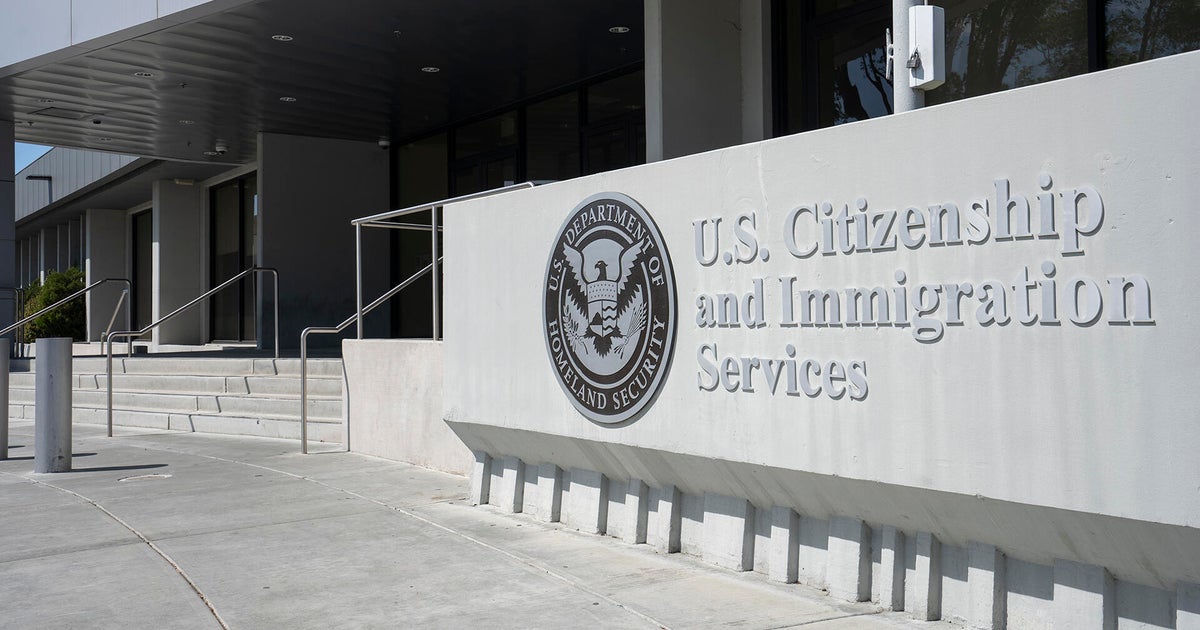
The Trump administration has unveiled a significant expansion of security screening measures that will affect thousands of immigrants currently navigating the legal immigration system. According to internal government documents recently obtained by CBS News, U.S. Citizenship and Immigration Services (USCIS) has begun subjecting broad categories of immigration applicants to enhanced FBI background checks. This development marks a substantial shift in how the government processes legal immigration benefits, from asylum seekers to those pursuing green cards and U.S. citizenship. The new directive, distributed to USCIS officers just last week, requires them to resubmit pending applications across multiple immigration categories for more thorough vetting through expanded FBI database access. Perhaps most notably, officers have been explicitly instructed not to approve any pending cases that haven’t undergone these enhanced background checks, effectively creating a pause in processing for many applicants until the new procedures are fully implemented. This policy change represents one of the most comprehensive alterations to immigration vetting procedures in recent memory and signals the administration’s commitment to what it characterizes as strengthening national security through more rigorous screening of those seeking to enter or remain in the United States legally.
The FBI Database Connection and Presidential Authority
The catalyst for these enhanced security screenings stems from a February executive order issued by President Trump that directed the Justice Department—which oversees the FBI—to provide USCIS with expanded access to the FBI’s criminal history database “to the maximum extent permitted by law.” While USCIS has historically utilized FBI databases to check immigration applications for potential national security or public safety concerns, the scope of access has now been significantly broadened. The executive order specifically emphasizes the need to identify what it terms “criminal actors,” which the president’s order defines to potentially include foreign nationals with criminal histories who have either entered or remained in the United States in violation of immigration laws, or who otherwise might seek to violate U.S. criminal laws. This expanded database access effectively gives immigration officers a much deeper window into applicants’ backgrounds than was previously available, allowing them to cross-reference information across a wider range of federal criminal databases. The change reflects the administration’s position that previous vetting procedures were insufficient and that more comprehensive background checks are necessary to protect American citizens from potential threats. Critics of the policy, however, might argue that these measures could unfairly delay legitimate immigration cases and create unnecessary obstacles for people who have followed legal pathways and have no criminal history.
Who Will Be Affected by the New Screening Requirements
The enhanced background checks will cast a wide net across the immigration system, affecting pending applications for numerous types of immigration benefits. According to the internal guidance documents, any immigration benefit that requires applicants to submit fingerprints will fall under these new enhanced screening requirements. This includes applications for green cards, which confer permanent U.S. residency status, as well as naturalization applications from those seeking to become U.S. citizens. Beyond individual applications, the new policy also extends to sponsorship petitions—the paperwork filed by U.S. citizens or green card holders on behalf of their relatives or fiancées who wish to immigrate to the United States. The directive to USCIS officers is quite specific: they must resubmit fingerprint-based screenings if the FBI information for cases was received before April 27. Interestingly, the guidance notes that these resubmissions aren’t necessary if officers already intend to deny an application, suggesting that the enhanced scrutiny is primarily aimed at cases that might otherwise be approved. The breadth of this policy means that thousands—potentially tens of thousands—of immigrants who have been patiently waiting for decisions on their applications may now face additional delays as their cases are subjected to this new layer of scrutiny, even if they’ve already passed previous background checks.
Official Response and Processing Timeline Concerns
In response to inquiries about the new policy, USCIS spokesperson Zach Kahler confirmed that the agency has indeed “implemented new security checks to strengthen the vetting and screening of applicants through expanded access to federal criminal databases.” The official statement attempted to reassure applicants and their families that while there may be some impact on processing times, the disruption should be minimal. “Processing is ongoing as we apply these enhanced background check requirements,” Kahler stated, adding that “any delay in decision issuance should be brief and resolved shortly.” The spokesperson also emphasized that “USCIS will always prioritize the safety of the American people,” framing the enhanced security measures as a necessary step to protect national security. However, immigration attorneys and advocates who work closely with the system may view these assurances with skepticism, given that immigration processing timelines have historically been subject to significant delays, and the addition of another layer of review could substantially extend waiting periods for applicants who are often already enduring lengthy processing times. For many immigrants, these delays aren’t merely bureaucratic inconveniences—they can mean extended separation from family members, prolonged uncertainty about their future, and in some cases, difficulty maintaining legal status or employment authorization while awaiting decisions on their cases.
Part of a Broader Immigration Enforcement Strategy
These expanded security checks don’t exist in isolation but rather represent the latest component of the Trump administration’s comprehensive approach to more aggressively vet individuals applying for immigration benefits and tighten overall access to the U.S. immigration system. Since President Trump returned to the White House, USCIS has rolled out multiple policies designed to subject immigration applications to heightened scrutiny. Among these measures is a controversial directive requiring officers to examine applicants’ social media presence for evidence of what the administration characterizes as “anti-American” views or activities—a policy that has raised concerns among civil liberties advocates about potential violations of free speech principles and the subjective nature of determining what constitutes anti-American sentiment. Beyond enhanced vetting, the administration has also significantly slowed or completely halted processing of many categories of immigration cases. This includes a pause on all asylum cases overseen by USCIS, which was implemented early in the administration’s tenure. Additionally, the administration enacted a freeze on all legal immigration requests filed by nationals of 39 countries listed on a presidential proclamation commonly referred to as the “travel ban,” which imposed broad immigration restrictions justified on national security grounds. While the USCIS asylum pause was partially scaled back last month, as first reported by CBS News, it notably remains in effect for immigrants from the 39 countries designated on the travel ban list.
Implications for Immigrants and the Legal Immigration System
The cumulative effect of these policies has created an immigration system that many applicants and their advocates describe as increasingly unpredictable and difficult to navigate. For immigrants who have invested years and often thousands of dollars into following the legal immigration process, these enhanced security measures and processing pauses introduce new uncertainty into what was already a complex and lengthy journey. Families awaiting reunification may face additional months or years of separation. Individuals whose work authorization depends on the timely approval of their immigration applications may find themselves in legal limbo, unable to work or support their families while they wait for enhanced background checks to be completed. From the administration’s perspective, these measures are essential safeguards designed to ensure that only those who pose no threat to public safety or national security are granted the privilege of entering or remaining in the United States. They argue that previous vetting procedures had gaps that could potentially allow individuals with criminal backgrounds or malicious intent to slip through the system. However, immigrant rights advocates counter that the existing vetting procedures were already among the most rigorous in the world, involving multiple layers of security checks, interviews, and document verification. They worry that these additional measures, particularly the broad application across so many categories of legal immigration, will have a chilling effect on legal immigration overall, potentially deterring qualified individuals from seeking to build their lives in America and undermining the country’s long tradition as a nation built by immigrants. As this policy continues to be implemented in the coming weeks and months, its true impact on processing times, approval rates, and the broader immigration system will become clearer.