

Historic Settlement Reached in Transgender Athlete Discrimination Case
A Landmark Victory for Transgender Rights in Sports
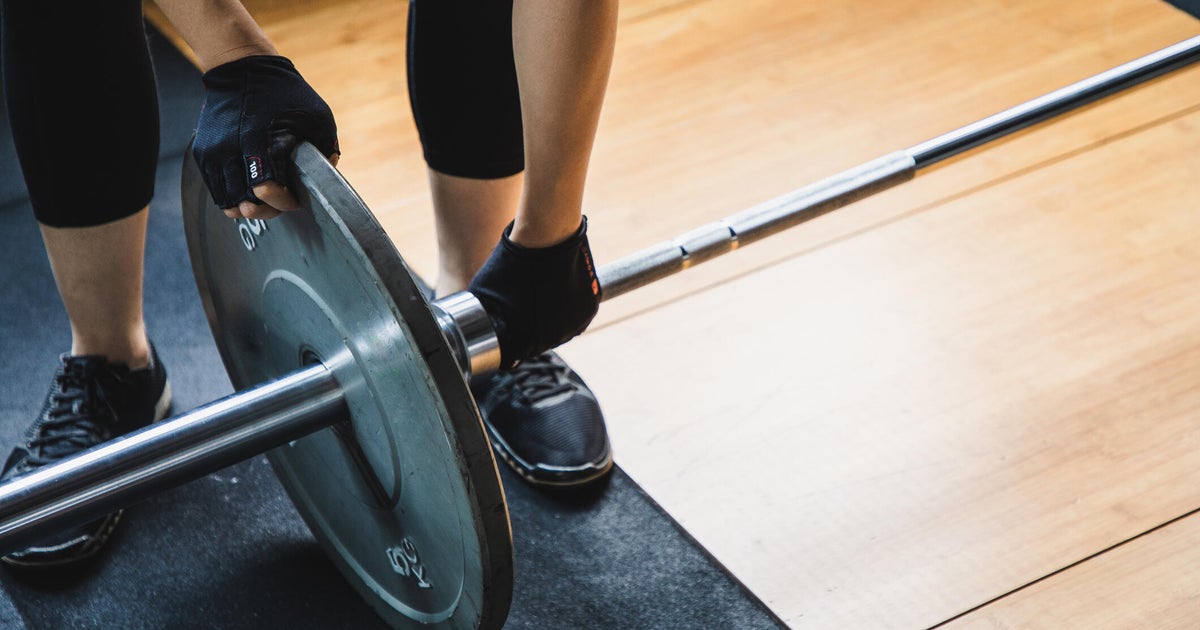
A groundbreaking settlement has brought closure to a years-long legal battle that has captured national attention and highlighted the complex intersection of transgender rights and athletic competition. The case involved JayCee Cooper, a transgender woman and powerlifter, who took on USA Powerlifting after being denied the opportunity to compete in women’s competitions. Following a decisive ruling by the Minnesota Supreme Court that found USA Powerlifting had violated the state’s Human Rights Act, both parties have reached a settlement agreement that marks a significant milestone in the ongoing conversation about inclusivity in sports. While the specific terms of the settlement remain undisclosed, the outcome represents a powerful affirmation of transgender athletes’ rights to participate in sports consistent with their gender identity, at least within Minnesota’s legal framework.
The Journey from Exclusion to Legal Action
The origins of this landmark case trace back to 2018, when JayCee Cooper attempted to enter two women’s powerlifting competitions, only to face rejection based solely on her transgender status. For Cooper, who had trained extensively and met all other qualifications for competition, this exclusion was more than just a missed athletic opportunity—it was a form of discrimination that denied her the right to participate fully in public life. Rather than accept this decision quietly, Cooper made the courageous choice to challenge USA Powerlifting’s policy through the legal system. She filed a lawsuit arguing that being barred from competition constituted illegal discrimination under Minnesota’s robust Human Rights Act, which provides protections against discrimination based on various characteristics, including gender identity. This decision to fight back would eventually lead to a legal battle that lasted several years and ultimately reached the state’s highest court, setting the stage for a ruling with far-reaching implications for transgender athletes across Minnesota and potentially beyond.
The Organization’s Defense and Policy Justification
Throughout the legal proceedings, USA Powerlifting defended its exclusionary policy by focusing on what it characterized as inherent “strength advantages” related to sex assigned at birth rather than framing the issue as one of transgender status. The organization argued that allowing transgender women to compete in the women’s division would create unfair competitive conditions due to physiological differences that persist even after gender transition. This defense strategy attempted to reframe the exclusion as a matter of athletic fairness rather than discrimination based on gender identity. However, critics of this position pointed out several weaknesses in USA Powerlifting’s argument, including the fact that the organization, at the time of the court’s decision, did not even have a formal written policy governing transgender participation. This absence of a documented, scientifically-based policy suggested that the exclusions were being made on an ad hoc basis rather than through a carefully considered framework that balanced inclusivity with competitive fairness. The court would ultimately find this defense insufficient to justify what it determined was categorical discrimination against transgender women.
The Minnesota Supreme Court’s Decisive Ruling
In October 2025, the Minnesota Supreme Court issued a ruling that would prove pivotal not only for JayCee Cooper but for transgender athletes throughout the state. The court determined that USA Powerlifting’s policy of categorically excluding transgender women from competing in the women’s division constituted illegal discrimination in public accommodations under Minnesota law. This ruling was particularly significant because it recognized that sports competitions open to the public fall under the state’s anti-discrimination protections, extending civil rights law into the athletic arena in a clear and unambiguous way. The court’s decision highlighted the problematic nature of blanket exclusions that treat all transgender women as identical without considering individual circumstances, hormone therapy, transition timelines, or actual performance metrics. Additionally, the Supreme Court sent a separate business discrimination claim back to a lower court for further consideration, establishing an important legal standard that would require USA Powerlifting to demonstrate that any exclusionary policy was “reasonably necessary” for its business mission and not based on stereotypes about transgender people. This nuanced approach acknowledged that while organizations may have legitimate interests in maintaining fair competition, those interests cannot simply override civil rights protections without substantial justification grounded in evidence rather than assumptions.
Broader Implications and Advocacy Perspectives
The Legal Director at Gender Justice, the organization that represented JayCee Cooper throughout this legal journey, issued a statement celebrating the settlement while also emphasizing the ongoing nature of the struggle for transgender rights. “We celebrate this victory, but we also remain vigilant and ready to take action to ensure that all Minnesotans, including transgender Minnesotans, can participate in sports, schools, employment, and health care without facing discrimination because of who they are,” the statement declared. This message encapsulates the broader significance of the case beyond the world of powerlifting, positioning it as part of a comprehensive effort to secure equal treatment for transgender individuals across all aspects of public life. The case arrives at a particularly crucial moment in American society, as debates over transgender participation in sports have become increasingly polarized and politicized, with numerous states considering or passing legislation that would restrict or ban transgender athletes from competing consistent with their gender identity. Against this backdrop, the Minnesota Supreme Court’s ruling and the subsequent settlement stand as a counterpoint, demonstrating that when transgender rights claims are adjudicated under existing civil rights frameworks, courts may find that categorical exclusions constitute unlawful discrimination. For advocates, this case provides both a legal precedent and a moral victory that can inform future litigation and policy debates.
Looking Forward: The Continuing Debate Over Inclusion in Athletics
While the settlement in Cooper’s case represents a significant victory for transgender rights advocates in Minnesota, it also underscores the reality that the broader debate over transgender athletes’ participation in sports remains far from resolved. The case has highlighted fundamental tensions between competing values and interests: the principle of non-discrimination and the goal of inclusive participation on one side, and concerns about competitive fairness and the integrity of women’s sports on the other. These tensions are unlikely to disappear simply because of one state court ruling, no matter how definitive. Different jurisdictions continue to take vastly different approaches to this issue, with some following Minnesota’s lead in prioritizing inclusion and others implementing restrictions on transgender participation. The scientific community itself remains engaged in ongoing research about the extent and persistence of physiological advantages that may exist even after transgender women undergo hormone therapy, though there is growing recognition that blanket assumptions are insufficient for policy-making. Moving forward, the challenge for sports organizations, legislators, and courts will be to develop approaches that are both legally sound and practically workable—frameworks that respect the dignity and rights of transgender athletes while addressing legitimate questions about fairness in competition. The Cooper case demonstrates that categorical exclusions based solely on transgender status are legally vulnerable, at least in jurisdictions with strong anti-discrimination protections, but it also opens the door to more nuanced policies that might pass legal muster if they are properly justified, individually applied, and not based on stereotypes. As this national conversation continues, the Minnesota case will undoubtedly serve as an important reference point, reminding all stakeholders that civil rights protections extend to transgender individuals and that their exclusion from public life, including sports, cannot be undertaken lightly or without substantial justification.