


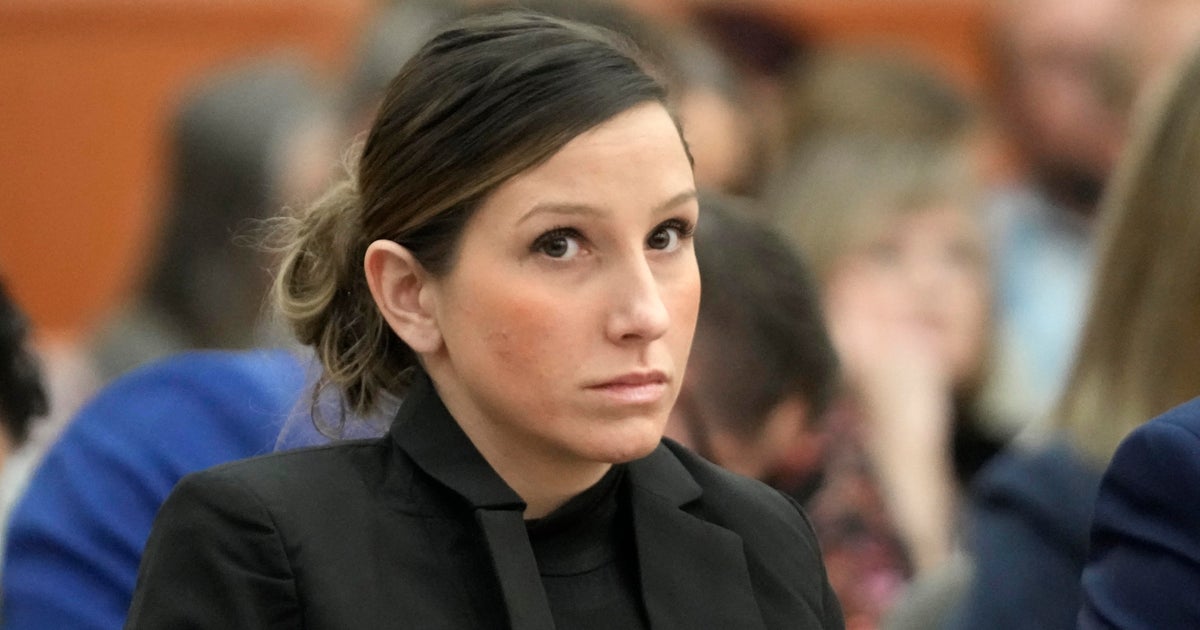

The Children’s Grief Book Author Accused of Murder: The Kouri Richins Trial Begins
A Case That Shocked a Nation
The story of Kouri Richins reads like a plot from a crime thriller, yet it’s a real-life tragedy that has captivated and horrified people across America. This 35-year-old Utah mother stands accused of one of the most chilling crimes imaginable: allegedly poisoning her husband with a lethal dose of fentanyl, only to later write and promote a children’s book about dealing with grief after his death. As jury selection begins this Monday, the case raises profound questions about trust, deception, and the lengths to which someone might go for financial gain. Eric Richins was just 39 years old when he died suddenly in 2022, leaving behind three young sons and a community in shock. What initially appeared to be a tragic loss has transformed into a criminal case that has drawn national attention, not just for the alleged crime itself, but for the audacious actions that followed. The image of a grieving widow comforting her children through a picture book takes on a sinister dimension when prosecutors allege that same widow orchestrated the very loss she claimed to help her children overcome.
The Allegations and the Evidence
According to prosecutors, Kouri Richins didn’t just kill her husband—she carefully planned his death while positioning herself to benefit financially from his demise. The allegations paint a picture of a woman under significant financial pressure, with her real estate company struggling, who saw her husband’s life insurance policies as a way out. Prosecutors claim she administered a fatal dose of fentanyl to Eric by slipping it into his drink, a method that speaks to premeditation and a calculated approach to murder. The fact that she was the beneficiary of multiple life insurance policies on her husband has become a central element of the prosecution’s case, suggesting a clear financial motive for the alleged crime. What makes this case particularly disturbing is the timeline of events that followed Eric’s death. Rather than quietly mourning, Richins stepped into the public eye almost exactly one year after her husband’s death, appearing on television to promote a children’s book she had written. The book, ostensibly created to help her three sons cope with losing their father, was presented as a heartfelt project born from personal tragedy. The jarring contrast between this public image of a devoted mother helping her children heal and the accusations of cold-blooded murder has made this case particularly sensational. Richins was arrested and charged with murder in May 2023, roughly a year after her husband’s death and around the time she was actively promoting her book. She has consistently maintained her innocence, pleading not guilty to all charges, which now include not only murder but also multiple financial charges related to the case.
The Legal Battle Over Fair Trial
One of the most significant pre-trial issues has been whether Kouri Richins could receive a fair trial in her own community. Her defense attorneys argued strenuously for a change of venue, contending that the case had received so much local attention that finding impartial jurors would be virtually impossible. In a small community where nearly everyone has heard about the case, they argued, prejudice and preconceived notions would inevitably taint the jury pool. However, the judge denied their request, a decision that legal experts say is not surprising despite the extensive media coverage. CBS News legal contributor Caroline Polisi explained that while this is undoubtedly “a sensationalized case” that has received “national attention,” it’s still possible to assemble an impartial jury through careful selection. The standard isn’t whether potential jurors have heard about the case—in high-profile cases, that’s nearly impossible to avoid—but whether they can set aside what they’ve heard and decide the case based solely on the evidence presented in court. “It is highly unlikely that all of these jurors that are going to be seated haven’t read about it, but it is not unlikely that they can find at least eight jurors, four alternates, that can remain fair and impartial,” Polisi noted. This reflects a realistic understanding of how modern jury trials work in the age of 24-hour news cycles and social media. The question isn’t about finding people who live in a bubble, but about finding people who can approach the evidence with an open mind despite whatever they may have previously heard.
An Unprecedented Jury Selection Process
The jury selection process itself reveals just how complex and high-stakes this trial has become. According to CBS affiliate KUTV, potential jurors have been asked to complete a remarkably detailed 23-page questionnaire containing 99 questions—a document that even experienced legal professionals have found exceptionally comprehensive. The questionnaire delves deep into potential jurors’ media consumption habits, asking where they get their news, what television programs they watch, and what organizations they support. Nathan Evershed, a former prosecutor observing the case, called it “about as long as I’ve ever seen,” noting that while many questions are standard for jury selection, others are clearly tailored specifically to this case. The questionnaire goes beyond typical inquiries to ask about potential jurors’ connections to victim rights organizations, their social media accounts and habits, and their specific opinions on various relevant topics. “When they started getting into opinions about the case, when they started getting into backgrounds of connections with victim rights organizations, social media accounts, these things, you can see they’re really trying to get granular on this,” Evershed explained. “Tell us about what you listen to. Tell us about social media. Tell us about very specific opinions on very specific things.” This level of detail reflects both the challenges of seating an impartial jury in a high-profile case and the importance both sides are placing on jury composition. The process is scheduled to take five full days—significantly longer than typical jury selection—underscoring the meticulous approach both the prosecution and defense are taking to ensure they seat jurors who can fairly evaluate the evidence.
A Mother’s Unwavering Faith
Amid all the legal maneuvering and sensational headlines, there remains a family torn apart by tragedy and accusations. Kouri Richins’ mother, Lisa Darden, has stood firmly by her daughter, expressing absolute certainty in her innocence. In an interview with “48 Hours,” Darden stated that she is “a hundred percent” certain her daughter will be found innocent, adding, “For anybody who knows Kouri just knows … She could not have done this. … She’d never do this.” This maternal defense highlights one of the most painful aspects of cases like this—the way they divide families and communities. For Lisa Darden, the woman accused of this heinous crime is her daughter, someone she raised and knows intimately, someone she cannot reconcile with the monster portrayed in the prosecution’s narrative. Her faith in Kouri’s innocence reminds us that behind every criminal case are real people, real relationships, and real emotions that don’t fit neatly into legal categories or media narratives. At the same time, there are three young boys who lost their father and now face the possibility that their mother will be convicted of killing him—a tragedy that compounds upon tragedy regardless of the trial’s outcome.
What Lies Ahead
As the trial begins on Monday, February 23, the eyes of the nation will be watching this small Utah courtroom. The case has all the elements that capture public attention: alleged murder, financial intrigue, the exploitation of grief, and the fundamental question of how well we can ever truly know another person. For the prosecution, the challenge will be proving beyond a reasonable doubt that Kouri Richins not only killed her husband but did so with premeditation and for financial gain. They’ll need to present compelling evidence about how the fentanyl was obtained and administered, establish the financial motive, and counter any alternative explanations for Eric’s death. For the defense, the task is equally daunting: they must create reasonable doubt in the minds of jurors, challenge the prosecution’s narrative, and present their client as a grieving widow wrongly accused rather than a calculating killer. The children’s book that once seemed like a touching tribute now sits at the center of the case as potential evidence of audacity or innocence, depending on one’s perspective. The outcome of this trial will have profound implications not just for Kouri Richins and her family, but for how we think about grief, deception, and the sometimes-unimaginable crimes that people commit. Whatever the jury ultimately decides, this case serves as a sobering reminder that the most dangerous betrayals often come from those closest to us, and that the face of evil doesn’t always look the way we expect it to.