


Binance Under Fire: Major Compliance Scandal Threatens Crypto Giant’s Credibility
The Unfolding Controversy at the World’s Largest Crypto Exchange
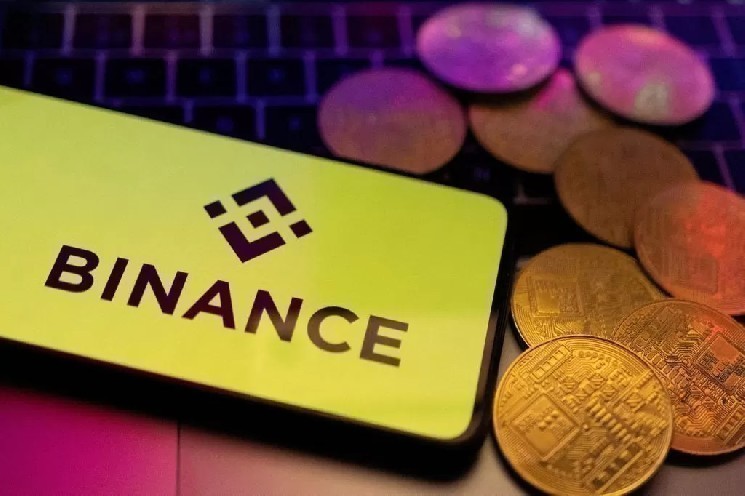
The cryptocurrency world is once again in turmoil as Binance, one of the largest and most influential digital asset exchanges globally, finds itself at the center of a serious compliance scandal. According to an explosive report published by Fortune magazine, the company has allegedly terminated several senior compliance officers who discovered evidence of potentially illegal transactions linked to Iran. This development is particularly troubling given that Binance is currently operating under strict government oversight following a massive settlement with U.S. authorities just two years ago. The situation raises serious questions about whether the company is truly committed to cleaning up its act or simply paying lip service to regulatory compliance while continuing problematic practices behind the scenes. For the millions of users who trust Binance with their digital assets, and for the broader cryptocurrency industry struggling to gain mainstream legitimacy, this scandal couldn’t come at a worse time.
The Backstory: Binance’s Previous Legal Troubles
To understand the gravity of the current situation, it’s important to look back at Binance’s recent history with U.S. regulators. In 2023, the company found itself in hot water with American authorities over serious violations of financial regulations. After extensive investigations, Binance pleaded guilty to multiple charges including failures in anti-money laundering (AML) protocols, inadequate know-your-customer (KYC) procedures, and violations of sanctions regulations. The consequences were severe: the company agreed to pay a staggering $4.3 billion fine, one of the largest penalties ever imposed in the cryptocurrency sector. The company’s charismatic founder and CEO, Changpeng Zhao—better known in the crypto community as “CZ”—personally pleaded guilty to failing to establish proper oversight mechanisms within the organization. As part of his plea deal, Zhao was sentenced to four months in federal prison and was required to step down from his leadership position at the company he built. The agreement with authorities mandated that Binance enter what was described as a period of “regulatory maturity,” during which independent monitors appointed by the government would oversee the company’s operations to ensure compliance with U.S. laws. This was supposed to mark a turning point for Binance, a moment when the company would transform from a fast-moving, regulation-averse startup into a responsible financial institution. However, the recent allegations suggest that this transformation may have been more cosmetic than substantive.
The Billion-Dollar Iran Connection
The heart of the current scandal involves allegations that are both specific and deeply concerning. According to Fortune’s investigation, which drew on internal company communications and confidential sources within Binance, compliance investigators at the company uncovered evidence suggesting that more than $1 billion in cryptocurrency had been transferred to individuals and entities with connections to Iran during a period spanning from March 2024 to August 2025. This timeframe is particularly significant because it falls entirely within the period when Binance was supposedly operating under enhanced government supervision following its 2023 settlement. The alleged transactions reportedly involved Tether (USDT), a so-called stablecoin that’s pegged to the U.S. dollar and is one of the most widely used cryptocurrencies for transferring value. According to the allegations, these transfers were conducted using the Tron blockchain, a popular network for moving digital assets quickly and with relatively low fees. If these allegations are true, they would represent a serious violation of U.S. sanctions laws, which strictly prohibit American companies and companies doing business with U.S. customers from facilitating financial transactions with Iran. The United States has maintained comprehensive economic sanctions against Iran for decades, and these restrictions have only intensified in recent years. For a company that just paid billions of dollars to settle previous sanctions violations, and that is supposedly under close government monitoring, facilitating over a billion dollars in Iran-linked transactions would represent an extraordinary and brazen flouting of the law.
The Retaliation: Firing the Messengers
What makes this situation even more disturbing is what allegedly happened after the compliance investigators presented their findings to senior management at Binance. Rather than taking immediate action to stop the problematic transactions and report them to authorities—as would be expected from a company supposedly committed to regulatory compliance—Binance allegedly began terminating the very people who had uncovered the evidence. According to Fortune’s report, at least five compliance professionals were dismissed starting in late 2025, shortly after they had compiled and shared their findings in internal reports. These weren’t junior employees or inexperienced analysts; at least three of the dismissed individuals had previously served in security forces in Europe and Asia, bringing considerable expertise and credibility to their roles. Some of these fired compliance officers had been heading entire units responsible for global financial investigations and monitoring sanctions violations—exactly the kind of critical compliance functions that should have been strengthened following the 2023 settlement. The dismissals didn’t stop there. The report indicates that at least four additional senior compliance officers have either left the company or been terminated within the last three months alone. While the exact reasons for these departures remain unclear, and while some of the departing employees announced their moves on professional networking site LinkedIn, none provided specific details about why they were leaving. The pattern is unmistakable: the compliance function at Binance appears to have been gutted precisely when it should have been at its strongest. This looks less like routine workforce reorganization and more like systematic retaliation against those who dared to uncover inconvenient truths.
Political Connections and Convenient Timing
The timing of these developments coincides with some interesting political shifts in Washington that may have emboldened Binance leadership. The report notes that President Donald Trump’s administration has taken a markedly more favorable stance toward the cryptocurrency industry, loosening various regulations that had previously constrained crypto businesses. Even more significantly, Trump granted a pardon to Changpeng Zhao in October, effectively wiping away his criminal conviction from the 2023 plea agreement. This pardon created a dramatically more favorable environment for both Zhao personally and for Binance as a company. Robert Appleton, an attorney with extensive experience handling Iran sanctions cases at the U.S. Department of Justice, expressed surprise at the developments, stating: “This is quite surprising for a company under government oversight.” His measured professional language barely conceals the shock that many legal experts feel about this situation. There are also allegations that Binance has been cultivating political relationships in Washington, including claims that the company supported the launch of World Liberty Financial, a cryptocurrency venture associated with the Trump family. Reports suggest that Zhao himself has been actively lobbying in the nation’s capital, presumably working to ensure that regulatory conditions remain favorable to his business interests. These political connections may have given Binance leadership the confidence to take a more aggressive stance toward compliance officers who were doing their jobs perhaps a bit too well.
What Happens Next and What It Means for Crypto
As of now, Binance’s current Chief Compliance Officer is Noah Perlman, a former U.S. prosecutor who was brought into the role in 2023 as part of the company’s supposed commitment to reform. However, according to a source who spoke with Fortune on condition of anonymity, Perlman is expected to leave his position sometime this year, though this departure is reportedly unrelated to the dismissal of the compliance investigators. When asked about these serious allegations, a Binance spokesperson provided only a brief, carefully worded statement: “We cannot comment on ongoing investigations. Binance is committed to complying with applicable sanctions laws and regulations in all markets in which it operates.” This response is notable for what it doesn’t say—there’s no denial of the allegations, no expression of outrage at the accusations, and no detailed explanation of the company’s compliance processes. For the broader cryptocurrency industry, which has been fighting for years to overcome its reputation as a haven for money laundering, sanctions evasion, and other financial crimes, this scandal represents a significant setback. Regulators around the world who were beginning to warm to digital assets will likely take a harder line, and legitimate cryptocurrency businesses will face increased scrutiny because of Binance’s alleged actions. For everyday users of Binance and other crypto platforms, this serves as a stark reminder that regulatory compliance isn’t just bureaucratic red tape—it’s essential protection that ensures these platforms operate legally and ethically. The coming months will likely bring more revelations as investigators, journalists, and perhaps government authorities dig deeper into these allegations. Whether Binance will finally face real accountability or whether its political connections will shield it from consequences remains to be seen, but one thing is clear: the crypto industry’s credibility hangs in the balance.