
Chevron CEO Discusses Naval Escorts for Commercial Shipping Through Strait of Hormuz
Growing Concerns Over Maritime Security in Critical Waterway
The escalating tensions in the Persian Gulf have reached a critical point, with major energy companies now looking to the U.S. military for protection in one of the world’s most vital shipping channels. Mike Wirth, the chief executive officer of Chevron, one of America’s largest energy corporations, has indicated that commercial vessels may require U.S. Navy escorts when the Strait of Hormuz reopens for transit. This significant development comes as the strategic waterway remains effectively closed due to mounting confrontations between the United States and Iran, creating uncertainty for global energy markets and raising serious questions about the safety of maritime commerce in the region. The situation has evolved rapidly in recent days, with multiple maritime incidents heightening concerns about the security of ships, crews, and cargo passing through this narrow but critically important passage.
The Strategic Importance of the Strait and Current Crisis
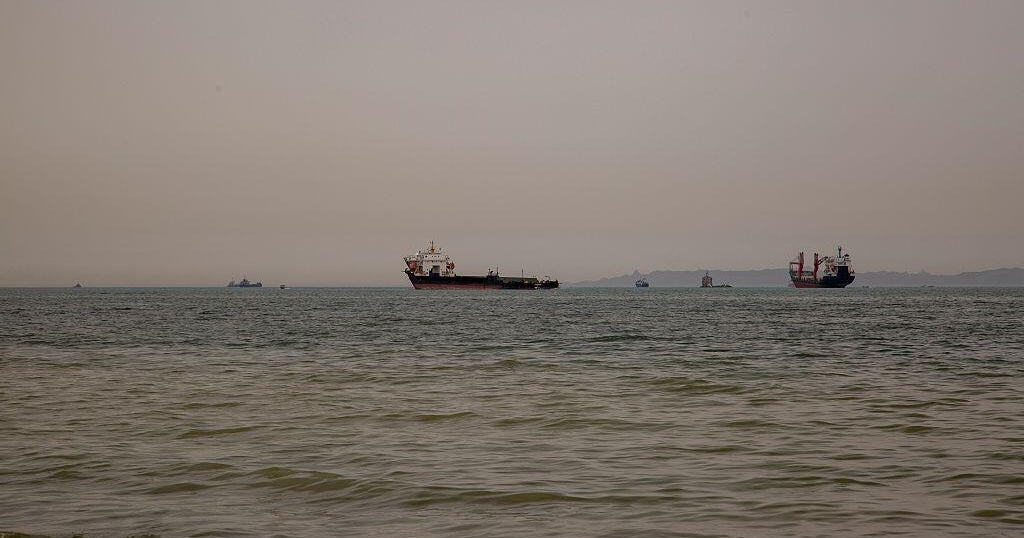
The Strait of Hormuz represents far more than just another shipping lane—it’s a vital artery for the global economy, with approximately one-fifth of the world’s oil supply passing through its narrow waters. This 21-mile-wide channel at its narrowest point serves as the only sea passage from the Persian Gulf to the open ocean, making it an irreplaceable route for energy exports from Gulf states. The current standoff has intensified dramatically amid Iranian threats to close or disrupt traffic through the critical channel, combined with a U.S.-imposed blockade on Iranian ports. This combination of actions has effectively shut down normal operations through the strait, creating a situation unprecedented in its potential impact on global energy supplies. The implications extend far beyond just oil prices—the closure affects natural gas shipments, commercial goods, and the economic stability of nations that depend on Persian Gulf trade. For energy companies like Chevron, the situation presents an impossible dilemma: their business depends on maintaining supply chains, but the risks to personnel and assets have become too great to ignore.
Chevron’s Safety Requirements and Decision-Making Process
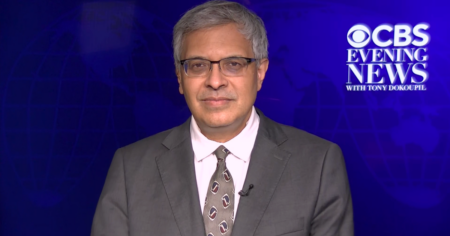
Speaking candidly during an interview on CBS’s “Face the Nation” with moderator Margaret Brennan, Mike Wirth outlined the specific conditions that would need to be met before Chevron would feel comfortable sending vessels back through the Strait of Hormuz. His primary concerns center on three fundamental requirements: the safety of crew members aboard the ships, the security of the valuable cargo being transported, and the ability to transit the waterway with a high degree of confidence that the journey can be completed without incident. Wirth emphasized that this isn’t a decision Chevron would make in isolation—rather, it would be determined through close collaboration with the U.S. Navy and other international military organizations that have interests and presence in the region. This cooperative approach reflects the reality that commercial entities cannot operate independently in such a volatile security environment. The CEO’s comments reveal the extraordinary situation facing global commerce when private companies must coordinate their basic business operations with military forces, highlighting how thoroughly the current crisis has upended normal maritime operations in one of the world’s busiest waterways.
The Case for Military Escorts and Multiple Threat Scenarios
Wirth went into considerable detail about why naval escorts would likely be necessary, particularly during the initial reopening phase of the strait. His assessment of the security situation reveals a complex threat environment that goes well beyond simple navigation concerns. The Chevron chief executive specifically mentioned the risk of mines being placed in the strait—a relatively low-tech but highly effective way to threaten shipping that has historical precedent in this region. However, he also pointed out that threats could originate from land-based sources in various forms, suggesting concerns about everything from shore-based artillery to anti-ship missiles that Iran is known to possess. This multifaceted threat assessment explains why simply clearing the waterway wouldn’t be sufficient to restore confidence. Having U.S. Navy vessels accompanying commercial ships during those first critical transits would provide multiple layers of security: the ability to detect and respond to threats, the capacity to provide defensive measures if something does go wrong, and perhaps most importantly, the deterrent effect of having American military assets present. The presence of naval escorts would signal that attacks on commercial vessels would be treated as attacks warranting military response, potentially giving hostile actors pause before taking aggressive action.
Presidential Messaging and Military Operations
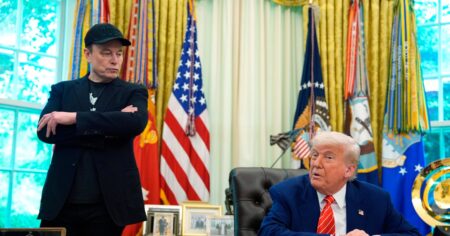
The situation has been further complicated by conflicting signals from President Trump regarding U.S. policy toward securing the strait. On Thursday, the President made strong statements indicating that U.S. minesweepers were actively working to clear the waterway, suggesting preparations for reopening the channel to commercial traffic. In the same remarks, Mr. Trump issued a controversial directive to the U.S. Navy to “shoot and kill” any Iranian boats discovered placing mines in the strait—an aggressive posture that reflects the administration’s determination to reopen the waterway but also raises questions about rules of engagement and the potential for escalation. These mixed messages—simultaneously working to reopen the strait while threatening lethal force against Iranian vessels—create additional uncertainty for commercial operators trying to assess when and how they might safely resume operations. For companies like Chevron, which must make decisions based on reliable security assessments, this inconsistency in messaging adds another layer of complexity to an already difficult situation. The companies need clear, consistent communication about the security environment and what protective measures will be in place, not shifting rhetoric that leaves them guessing about actual conditions and military plans.
Global Implications and the Path Forward
The crisis in the Strait of Hormuz represents a perfect storm of geopolitical tensions, economic interests, and security challenges that will require careful navigation in both literal and figurative senses. The involvement of major corporations like Chevron in security discussions with military authorities demonstrates how thoroughly modern commerce depends on stable international order and secure shipping lanes. The situation also highlights the interconnected nature of global energy markets—when one critical chokepoint closes, the effects ripple across the entire world economy, affecting fuel prices, manufacturing costs, and ultimately consumers everywhere. Moving forward, the international community faces difficult questions about how to balance the free flow of commerce with the realities of regional conflicts and the rights of nations to enforce blockades or protect their interests. The solution proposed by Wirth—naval escorts during an initial reopening phase—may provide a workable short-term answer, but the long-term stability of shipping through the strait will ultimately depend on diplomatic progress in resolving the underlying U.S.-Iran tensions. Until that happens, commercial shipping companies, their employees, and the global economy will remain vulnerable to disruptions in this critical waterway, with energy corporations like Chevron forced to factor military protection into their basic operational planning in ways that would have seemed extraordinary just a short time ago.