


Tragedy at University of South Florida: Missing Student Found Dead, Roommate Arrested
A Heartbreaking Discovery on the Howard Franklin Bridge
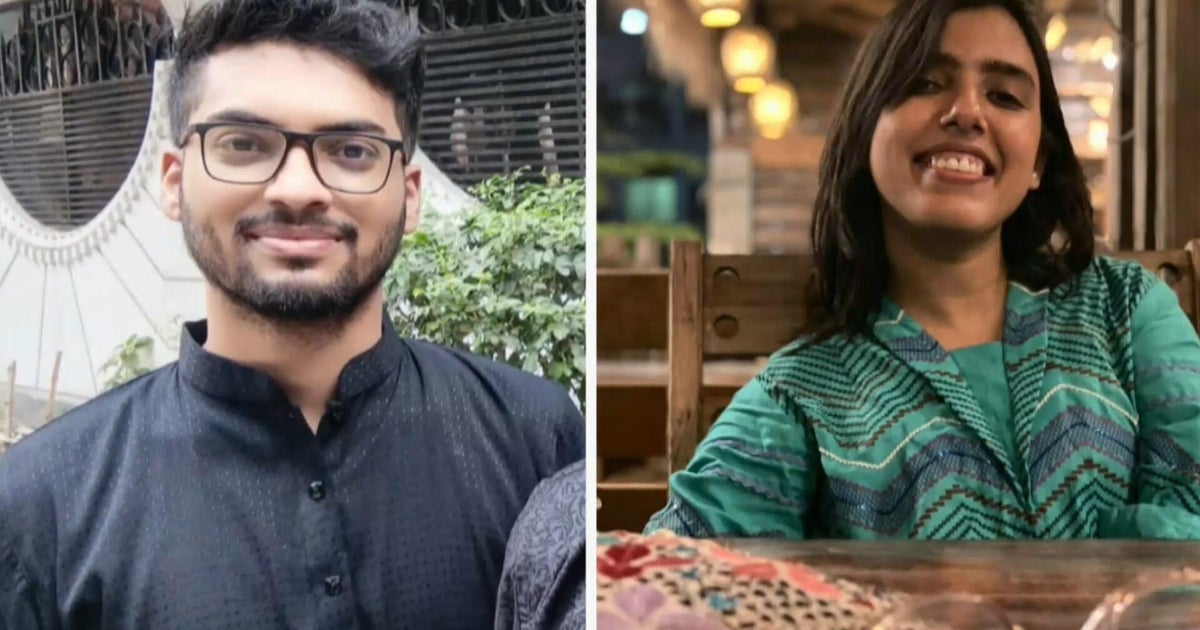
The Tampa community was struck by devastating news on Friday morning when authorities discovered the remains of Zamil Limon, one of two University of South Florida doctoral students who had been reported missing. The 27-year-old’s body was found on the Howard Franklin Bridge, bringing a tragic end to what began as a missing persons case that had gripped the local community with concern and fear. Chief Deputy Joseph Maurer of the Hillsborough County Sheriff’s Office confirmed the grim discovery, while also noting that investigators continue their desperate search for Nahida Bristy, the second missing student who was last seen alongside Limon on April 16. The cause of Limon’s death remained undetermined as authorities awaited autopsy results, leaving many questions unanswered about the circumstances surrounding this young scholar’s untimely death. The discovery prompted immediate action from law enforcement, with dive teams deployed to search the waters near the Howard Franklin Bridge for any trace of Bristy, whose fate remains unknown as her family and friends cling to hope for her safe return.
The Arrest of a Roommate and Mounting Questions
In a dramatic turn of events that unfolded on the same day Limon’s body was discovered, law enforcement officials arrested 26-year-old Hisham Abugarbieh, who shared living quarters with the deceased student. The arrest came after deputies responded to a domestic violence call at a residence in the Lake Forest Community, a neighborhood situated near USF’s Tampa campus. What began as a tense standoff, with Abugarbieh barricading himself inside the home, ultimately concluded peacefully when he surrendered to authorities. The charges filed against him paint a troubling picture: domestic violence, evidence tampering, and failing to report a death to law enforcement. These serious allegations have transformed what was initially a missing persons investigation into a criminal case with far-reaching implications. The law enforcement activity was significant enough that authorities temporarily shut down the entrance and exit to the Lake Forest Community, underscoring the gravity of the situation and the large-scale response it demanded from local police resources.
Two Promising Lives Cut Short or Left in Limbo
Both Zamil Limon and Nahida Bristy represented the best of what higher education aims to achieve—dedicated scholars on the cusp of significant academic accomplishments, pursuing advanced degrees in fields that could make meaningful contributions to society. Limon had been deeply immersed in cutting-edge research, studying the application of artificial intelligence in environmental science, a field that combines technological innovation with urgent ecological concerns. His family revealed the particularly poignant detail that he was scheduled to present his doctoral thesis this very week, a milestone that represents years of dedication, sacrifice, and intellectual labor. That this moment of academic triumph has been forever stolen from him makes the tragedy all the more profound. Meanwhile, Bristy, who is pursuing her doctorate in chemical engineering, remains missing, her fate unknown. The contrast between their bright futures and their current circumstances serves as a stark reminder of how quickly life can take an unexpected and devastating turn, leaving families, friends, and entire academic communities reeling from shock and grief.
A Family’s Anguish and Daily Dread
For Nahid Bristy’s family, particularly her older brother Zahid Pranto, the past several days have been an unimaginable nightmare of worry, fear, and increasingly desperate hope. In an interview with CBS News, Pranto painted a picture of his sister as someone who maintained close and constant contact with her family, making her sudden silence all the more alarming and out of character. “There has been no single day without contact with her,” he explained, his words capturing the routine nature of their communication and how its absence immediately signaled that something was terribly wrong. The family’s devastation is palpable, as they wait for any news about Bristy’s whereabouts while simultaneously processing the shock of Limon’s death. For immigrant families especially—families who have often sacrificed enormously to provide educational opportunities for their children—the thought of losing a child who was on the verge of completing a doctorate represents not just personal loss but the shattering of dreams that may have been generations in the making. The daily rituals of communication that once seemed mundane have now become precious memories, and the silence that has replaced them is deafening.
Law Enforcement’s Escalating Response
The Hillsborough County Sheriff’s Office had already elevated Limon and Bristy’s case to “endangered” status on Thursday, a day before Limon’s body was discovered. This classification upgrade indicated that investigators had received new information that significantly increased their concern for the students’ safety and wellbeing. While authorities did not disclose the specific nature of this information at the time, the decision to change their status suggested that the case had taken on a more urgent and potentially sinister dimension. The deployment of dive teams to search the waters near the Howard Franklin Bridge following the discovery of Limon’s remains demonstrates the thoroughness of the investigation and the determination to find Bristy, whether alive or deceased. The sheriff’s office utilized social media to keep the public informed, posting updates late Friday afternoon about the ongoing search efforts. This multi-faceted approach—combining traditional investigation techniques with water searches and public communication—reflects modern law enforcement’s understanding that missing persons cases require swift, comprehensive action and community engagement to maximize the chances of a positive outcome.
A University Community in Mourning and a Search That Continues
The University of South Florida community now finds itself grappling with an unthinkable tragedy that has struck at the heart of its doctoral programs. Graduate students, particularly those pursuing doctorates, form tight-knit communities bound by the shared experience of rigorous academic work, late-night research sessions, and the unique pressures of advanced scholarship. The loss of Limon and the ongoing uncertainty surrounding Bristy’s fate will undoubtedly send ripples of grief and fear through these communities. Universities pride themselves on being places of learning, growth, and opportunity, where students from diverse backgrounds come together to push the boundaries of human knowledge. When violence or tragedy infiltrates this space, it shakes the very foundation of what these institutions represent. As the investigation continues and the search for Bristy goes on, the Tampa community, the USF family, and people around the country who have followed this heartbreaking story are left with difficult questions about safety, the warning signs that might have been missed, and how such a tragedy could have been prevented. For now, the focus remains on finding Nahida Bristy and bringing her home to her devastated family, while also seeking justice for Zamil Limon and answers about what happened to these two promising young scholars whose lives have been so tragically disrupted.