


Ryan Routh Sentenced to Life: The Story Behind the Trump Assassination Attempt
A Life Sentence for a Failed Attack
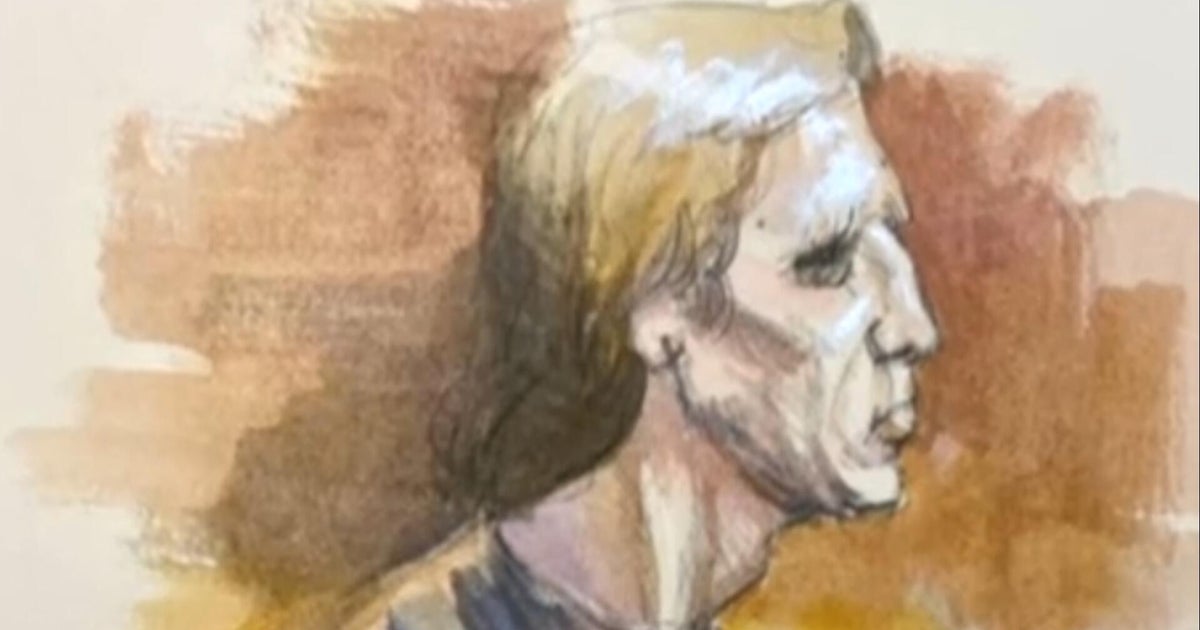
On a Wednesday morning in federal court, Ryan Routh learned his fate would be spending the rest of his life behind bars. The 59-year-old man had been convicted of attempting to assassinate then-presidential candidate Donald Trump at his Florida golf course in September 2024, and now Judge Aileen Cannon—the same judge who had previously dismissed the classified documents case against Trump—delivered the ultimate penalty. Dressed in a tan prison uniform, his ankles shackled and wrists handcuffed, Routh sat through the 90-minute hearing with remarkable composure, occasionally glancing at his lawyer but mostly staring straight ahead. This was the culmination of a bizarre and troubling case that had shocked the nation and raised serious questions about political violence, security failures, and the dangerous polarization gripping American society. The sentence wasn’t just about punishing one disturbed individual—it was meant to send a clear message that political violence would not be tolerated in a democracy where the ballot box, not the bullet, determines leadership.
A Rambling Statement and Disturbing Comparisons
When given the opportunity to speak before his sentencing, Routh pulled out a prepared statement—an astonishing 20 pages long. He attempted to read the entire document, portraying himself as some kind of misunderstood idealist rather than a would-be assassin. Judge Cannon had to interrupt him multiple times as he veered into irrelevant territory, making bizarre comparisons between himself and Palestinian political prisoners, civilians suffering in Gaza and Ukraine, and kidnapping victims worldwide. These comparisons struck the courtroom as not just inappropriate but deeply offensive, and Judge Cannon bluntly told him they were not “helpful” to his case. Undeterred, Routh continued his rambling statement, claiming he had contributed to the United States through “caring actions”—a claim that rang hollow given the meticulous planning he had put into stalking and attempting to kill a presidential candidate. Perhaps most disturbingly, he asked to be sent to a federal prison in a state that allows assisted suicide, a request that Judge Cannon simply ignored. Before pronouncing sentence, the judge made clear she didn’t buy Routh’s attempts to paint himself as a good person, pointing to both the detailed preparation he had undertaken for the assassination attempt and his previous run-ins with law enforcement that painted a picture of someone with a pattern of disregard for the law.
The Prosecution’s Case: A Planned Attack on Democracy
Federal prosecutors painted a chilling picture of Routh’s actions, emphasizing that this wasn’t some impulsive act but rather a carefully orchestrated plan to kill a presidential candidate and potentially alter the course of American democracy. Prosecutor John Shipley reminded the court of the meticulous nature of Routh’s preparations, urging Judge Cannon to remember “the amount of care that went into his plans.” This wasn’t a moment of madness but weeks of stalking, planning, and preparation for what Shipley described as “a cold-blooded kill.” The prosecution argued that Routh showed no remorse for his actions and that his intent was nothing less than to “upend American democracy” by taking the selection of the president out of the hands of voters and into his own. Shipley stressed that a harsh sentence was necessary not just to punish Routh but to send a powerful deterrent message to others who might be contemplating similar acts of political violence. In one of the hearing’s most memorable statements, he declared, “American democracy does not work if people take the results of elections into their own hands.” This fundamental principle—that political disputes are resolved through voting, debate, and peaceful transitions of power rather than violence—sat at the heart of why prosecutors pushed so hard for a life sentence.
The Conviction and Bizarre Trial
The sentencing hearing was the final chapter in an already strange legal saga. Back in September, a Florida jury had found Routh guilty on all five felony charges brought against him, including attempted assassination of a major presidential candidate, assault on a federal officer, and multiple counts of unlawful firearm possession. Each of these convictions carried maximum sentences of 15 years or more, making a substantial prison term virtually inevitable. What made the trial particularly unusual was that Routh had chosen to represent himself, delivering a confusing and often dramatic defense that clearly hadn’t resonated with jurors. The trial reached a shocking climax when, as the guilty verdicts were being read, Routh apparently attempted to harm himself using a pen—a desperate act that underscored his unstable mental state. For the sentencing hearing, he had been appointed an attorney, Martin Roth (no relation), who faced the unenviable task of trying to mitigate the severity of his client’s punishment despite the overwhelming evidence and the seriousness of the crimes.
The Defense’s Uphill Battle
Martin Roth, the attorney appointed to represent Ryan Routh for sentencing, faced an almost impossible challenge. He attempted to argue that his client deserved leniency because the gun was never actually fired and no one was physically harmed—arguments that Judge Cannon quickly dismissed as missing the point entirely. The lawyer described his client as “troubled … but did a lot of very good things” and as “a very complex person,” trying to add nuance to a case where the facts seemed clear-cut. In court filings submitted before the hearing, Routh’s defense team had requested a sentence of 27 years rather than life imprisonment, citing his age, mental health issues, and the fact that he had ineffectively represented himself at trial. The filing argued that “the jury was misled by his inability to effectively confront witnesses, use exhibits or affirmatively introduce impeachment evidence designed to prove his lack of intent to cause injury to anyone.” The defense also objected to the classification of Routh’s actions as a “federal crime of terrorism,” though this objection carried little weight given the nature of attempting to assassinate a presidential candidate. Despite these efforts, the defense faced an uphill battle against prosecutors who had compiled a devastating case showing months of planning and a clear intent to kill.
The Events That Led to Arrest and Their Lasting Impact
The incident that brought Ryan Routh to this courtroom had occurred in September 2024 at Trump’s West Palm Beach golf club. According to testimony from a U.S. Secret Service agent who took the stand during Routh’s trial, the agent spotted Routh on the property before Trump arrived. What happened next could have changed American history: Routh aimed his rifle at the Secret Service agent, who immediately returned fire. Faced with gunfire, Routh dropped his weapon and fled the scene without firing a single shot—a failure that may have been the only thing that prevented a tragedy. He was quickly apprehended and arrested, beginning a legal process that would culminate in this life sentence. The case raised serious questions about security protocols for presidential candidates and exposed the very real dangers posed by political extremism and violence in contemporary America. As prosecutors noted in their pre-sentencing filing, Routh’s crimes “undeniably warrant a life sentence” because “he took steps over the course of months to assassinate a major Presidential candidate, demonstrated the will to kill anybody in the way, and has since expressed neither regret nor remorse to his victims.” The life sentence Judge Cannon ultimately imposed serves as a reminder that in a functioning democracy, political disagreements—no matter how passionate—must be resolved through peaceful, legal means, and that those who attempt to subvert the democratic process through violence will face the full consequences of their actions.