
U.S. Economic Growth Takes a Surprising Downturn: What the Latest Data Reveals
Economic Growth Falls Short of Initial Expectations
The American economy hit a significant speed bump in the closing months of 2025, according to newly released government figures that paint a more sobering picture than economists initially anticipated. The Commerce Department’s latest report reveals that the nation’s gross domestic product—essentially the total value of everything produced and sold in America—grew at just a 0.7% annual rate during the fourth quarter of last year. This figure represents a dramatic revision from the 1.4% growth rate that officials had originally estimated just a month earlier, effectively cutting the previous projection in half. When looking at the full year of 2025, the economy expanded at a 2.1% pace, which still represents solid and respectable growth by most standards, but falls short of the initial 2.2% estimate and marks a noticeable slowdown from the robust 2.8% growth the country enjoyed in 2024. This downward revision serves as a reminder of how quickly economic conditions can shift and how initial estimates don’t always capture the full picture of what’s happening in the real economy. For everyday Americans, these numbers translate into a slower pace of job creation, wage growth, and overall economic opportunity than policymakers had hoped for.
Government Shutdown Leaves Deep Economic Scars
One of the primary culprits behind the disappointing economic performance was the government shutdown that occurred late last year, which proved far more damaging to economic activity than many observers initially realized. The Commerce Department’s detailed analysis shows that federal spending and investment collapsed at an alarming 16.7% rate during the shutdown period, directly shaving 1.16 percentage points off the fourth quarter’s overall growth figure. This represents a substantial drag on the economy, demonstrating how political dysfunction in Washington can have real and measurable consequences for the nation’s economic health. The shutdown disrupted countless government services, delayed payments to contractors and federal employees, and created uncertainty that rippled through various sectors of the economy. Federal workers who went without paychecks naturally cut back on spending, businesses that rely on government contracts faced cash flow problems, and economic activity that depends on government services ground to a halt. The data confirms what many economists had warned: government shutdowns aren’t just political theater—they inflict genuine economic harm that extends well beyond the immediate inconvenience. The fact that a single political crisis could knock more than a full percentage point off quarterly growth underscores just how interconnected government operations are with the broader economy and highlights the real costs of political brinkmanship.
Inflation Refuses to Cooperate with Fed’s Plans
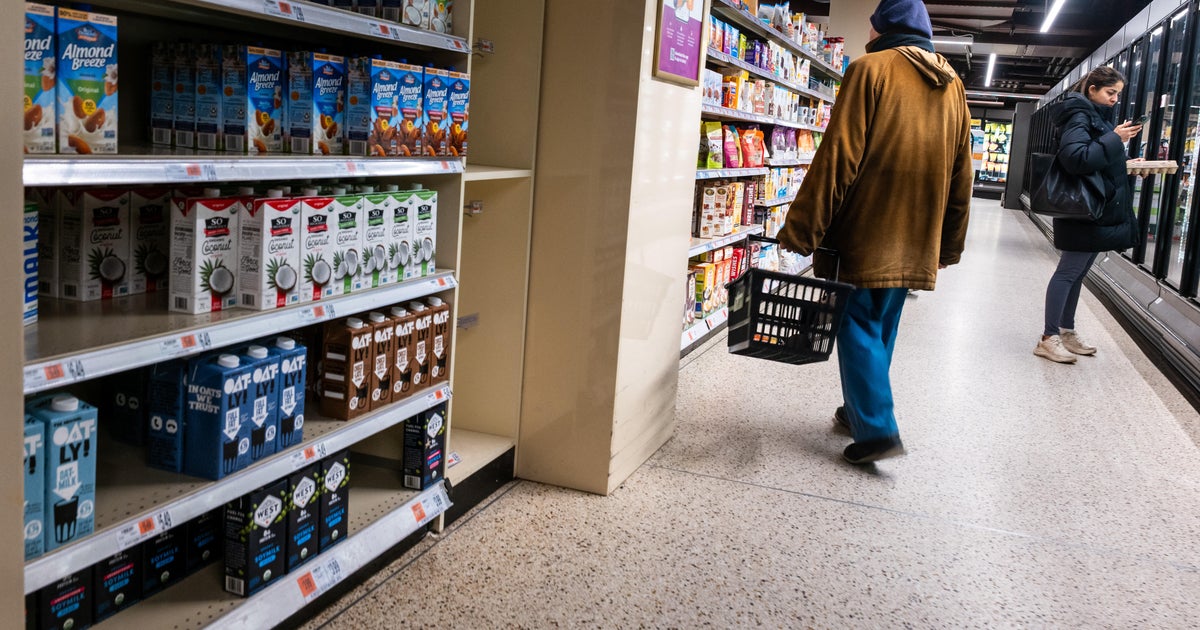
Making matters more complicated for policymakers and consumers alike, inflation data released alongside the growth figures indicates that prices continued their stubborn climb in January, even before recent geopolitical events pushed energy costs higher. According to the Commerce Department’s personal consumption expenditures report—the Federal Reserve’s preferred measure of inflation—prices rose at a 2.8% annual rate in January compared with the same month a year earlier. While this represents a slight decrease from December’s increase, it still remains well above the Federal Reserve’s target of 2% annual inflation. Even more concerning, when economists strip out the volatile food and energy categories to look at core inflation, prices increased at a 3.1% pace, up from 3% the previous month and marking the highest level in nearly two years. Elizabeth Renter, a senior economist at NerdWallet, emphasized the troubling implications of this data: “The new numbers mean things could be more fragile right now than we know. Keep in mind, this is January data, and a lot has happened in the past several weeks.” The persistence of elevated inflation means that Americans are continuing to feel the squeeze at the grocery store, gas station, and everywhere else they spend money, with their paychecks not stretching as far as they used to despite modest wage gains.
External Shocks Threaten to Make Matters Worse
The economic situation looks poised to become even more challenging in the months ahead due to factors that weren’t fully reflected in January’s data. Recent conflict in Iran has sent oil prices sharply higher, which will inevitably translate into increased costs for gasoline, heating fuel, and all the countless products that depend on energy for production and transportation. Sonu Varghese, chief macro strategist at Carson Group, warned that “the latest personal consumption expenditures inflation data tells us that the inflation picture wasn’t looking good even before the Middle East crisis,” and noted that inflation “is only going to head higher as the energy shock comes through.” Additionally, tariffs on various imported goods have already begun pushing up prices on some products, and these effects may intensify depending on how trade policy evolves. The combination of these headwinds—sluggish underlying growth, persistent inflation, energy price shocks, and trade tensions—presents a particularly thorny challenge for an economy that now appears less resilient than many had believed. Consumer spending, which drives roughly two-thirds of U.S. economic activity, showed troubling signs of weakness in January, remaining relatively flat after adjusting for inflation, with spending on physical goods actually declining. When consumers pull back, it creates a ripple effect throughout the entire economy as businesses adjust to lower demand.
Federal Reserve Faces an Impossible Balancing Act
The Federal Reserve now finds itself in an incredibly difficult position as it tries to navigate these conflicting economic signals. Normally, when economic growth slows, the central bank would consider cutting interest rates to stimulate activity and support job creation. However, with inflation remaining elevated and potentially headed higher due to energy prices, the Fed has little room to maneuver. Cutting rates could fuel even more inflation, while keeping rates high risks pushing the economy into recession. As Olu Sonola, head of U.S. economics at Fitch Ratings, explained, “For the Federal Reserve, this is the worst of both worlds: stubborn inflation that argues against cutting rates, paired with potentially fragile demand that is flashing early warning signs.” He added that “the Fed can shrug off pockets of weakening growth, but resurgent inflation severely limits its room to maneuver, leaving policy potentially stranded for months.” Most economists expect the Fed to keep its benchmark interest rate unchanged when officials meet next week, given the sharp rise in oil prices and the uncertain outlook. This wait-and-see approach means that borrowing costs for mortgages, car loans, credit cards, and business financing will remain elevated, continuing to weigh on economic activity even as growth slows.
What This Means for Everyday Americans Going Forward
For ordinary Americans trying to make sense of these economic crosscurrents, the message is one of caution and uncertainty. The combination of slower economic growth and persistent inflation creates a challenging environment that may require adjustments to household budgets and financial plans. Workers may find that job opportunities aren’t expanding as quickly as they were during the stronger growth period of 2024, while those fortunate enough to receive raises may discover that wage gains don’t keep pace with rising prices. The weakening economic momentum suggests that businesses will be more cautious about hiring and expansion, potentially making it harder for job seekers to find new positions or for employees to negotiate better compensation. At the same time, the inflation problem means that families will continue facing pressure on their budgets as everyday expenses remain elevated. The uncertainty created by geopolitical events, trade policy, and political dysfunction in Washington only adds to the anxiety many households feel about their economic future. While the economy isn’t in crisis and 2.1% annual growth is far from recessionary, the trajectory has clearly shifted in a less favorable direction, and the path forward remains clouded by numerous risks and unknowns that make both policymakers and consumers understandably nervous about what the coming months will bring.