



U.S. and Iran Set for Direct Negotiations Amid Rising Military Tensions in the Gulf
Historic Talks Scheduled in Oman Following Security Incidents
In a significant diplomatic development, the United States and Iran are preparing to hold direct talks in Oman this Friday, according to multiple sources who spoke with CBS News. This meeting comes at a particularly tense moment, following a series of confrontations in the Arabian Sea and the Strait of Hormuz that have raised concerns about potential military escalation in the region. The decision to meet in Oman represents a change from the originally proposed location of Turkey, which Iran had rejected. What makes these discussions particularly noteworthy is Iran’s request for direct, face-to-face negotiations with American officials without the presence of third-party intermediaries—a format that has been a long-standing goal of the Trump administration. This represents a potentially historic shift in diplomatic protocol between two nations that have not maintained formal diplomatic relations for decades. The United States continues to designate Iran as a state sponsor of terrorism, making any direct engagement between the two countries politically sensitive and diplomatically significant.
Recent Military Confrontations Heighten Urgency for Dialogue
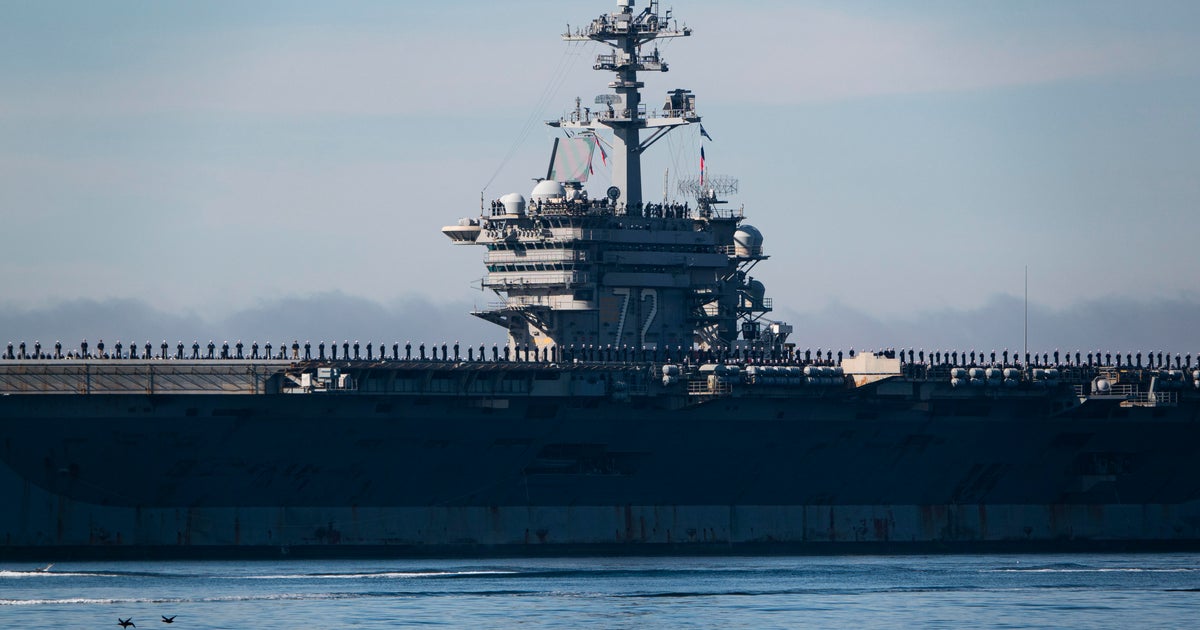
The urgency surrounding these planned talks has been underscored by a series of dangerous incidents in waters near Iran. On Tuesday, the U.S. military reported that it shot down an Iranian Shahed-139 drone after it “aggressively” approached the USS Abraham Lincoln aircraft carrier while the vessel was operating in the Arabian Sea, approximately 500 miles from Iran’s southern coastline. According to Captain Tim Hawkins, spokesman for U.S. Central Command, the drone continued its approach despite de-escalatory measures taken by U.S. forces who were lawfully operating in international waters. An F-35C fighter jet from the Abraham Lincoln ultimately destroyed the Iranian drone in what military officials described as an act of self-defense to protect the aircraft carrier and the personnel aboard. Fortunately, no American service members were injured in the incident, and no U.S. equipment sustained damage. However, the confrontation didn’t end there. Just hours after the drone incident, Iranian forces escalated tensions further in the strategically vital Strait of Hormuz. An Iranian drone and two boats belonging to Iran’s Islamic Revolutionary Guard Corps threatened to board and seize a U.S.-flagged commercial tanker, the M/V Stena Imperative, which was lawfully transiting through international waters. The situation was defused only after the USS McCaul responded to the scene and provided an armed escort with air support for the threatened vessel, preventing what could have become a major international incident.
Israeli Concerns and Regional Skepticism About Diplomatic Efforts
As preparations for the U.S.-Iran talks continue, regional allies have expressed varying degrees of concern and skepticism about the diplomatic initiative. Israeli Prime Minister Benjamin Netanyahu met with President Trump’s special envoy Steve Witkoff on Tuesday in Israel, where he delivered a pointed message about Iran’s trustworthiness. According to an official readout from the meeting, Netanyahu emphasized to Witkoff that Iran has repeatedly proven that its promises cannot be relied upon—a reference to what Israel views as a long history of Iranian deception on nuclear matters and regional activities. Israel’s concerns reflect its broader skepticism about the diplomatic efforts that Arab and Turkish allies of the United States have been scrambling to coordinate in hopes of avoiding American military strikes against Iranian targets. For Israel, which views Iran as an existential threat due to Tehran’s nuclear ambitions, support for proxy forces like Hezbollah and Hamas, and repeated threats against the Jewish state, any negotiations that might ease pressure on Iran without securing verifiable concessions represent a potential strategic setback. The Israeli government has consistently advocated for maintaining maximum pressure on Iran and has expressed doubts about the effectiveness of diplomatic engagement with a regime it considers fundamentally hostile and unreliable.
Massive U.S. Military Buildup Signals Dual Track of Diplomacy and Deterrence
Even as diplomatic channels open, the United States has significantly increased its military presence in waters surrounding Iran, sending a clear message that America is prepared for any contingency. As of Tuesday, the USS Abraham Lincoln aircraft carrier strike group, including three destroyers, was positioned in the Arabian Sea. Additional destroyers were strategically deployed in the Red Sea and the Strait of Hormuz, while three littoral combat ships operated in the Persian Gulf. This substantial naval presence represents one of the largest concentrations of American military power in the region in recent months. President Trump addressed this buildup last month when he told reporters that the military was sending ships to the Middle East “just in case,” as his administration closely monitored Iran’s response to massive protests that erupted across the country in December. These demonstrations, which represented one of the most significant challenges to the Iranian regime in years, were met with a brutal crackdown by security forces. Thousands of protesters are believed to have been killed as Iranian authorities sought to suppress the uprising, drawing international condemnation and adding another layer of complexity to the already fraught relationship between Washington and Tehran.
Trump’s Red Lines: No Nuclear Weapons and Stop Killing Protesters
President Trump has been characteristically direct about his expectations for Iran in recent public statements. Speaking to reporters last week, the president revealed that he has had conversations with Iranian officials and planned to hold additional discussions, signaling that back-channel communications have been ongoing despite the lack of formal diplomatic relations. Trump outlined two non-negotiable demands that he said he had conveyed to Iranian leaders: first, Iran must abandon its pursuit of nuclear weapons, and second, the regime must stop killing protesters who have taken to the streets to demand political change and economic relief. “I told them two things: No. 1, no nuclear. And No. 2, stop killing protesters,” the president stated plainly. “They’re going to have to do something.” These red lines reflect both long-standing American concerns about Iran’s nuclear program, which has expanded significantly in recent years as Tehran has walked back commitments made under the 2015 nuclear agreement, and more recent outrage over the violent suppression of domestic dissent. The president’s willingness to engage in dialogue represents a pragmatic approach, but his clear articulation of bottom-line demands suggests that any agreement will require substantial Iranian concessions on issues that go to the heart of the regime’s strategic priorities and domestic control.
High Stakes Negotiations Against a Backdrop of Regional Instability
The upcoming talks in Oman carry enormous stakes for regional stability and global security. Iran’s supreme leader has issued stark warnings that any American military attack would trigger a “regional war” throughout the Middle East—a threat that is taken seriously given Iran’s network of proxy forces in Iraq, Syria, Lebanon, and Yemen, as well as its ability to disrupt global oil supplies through the Strait of Hormuz. The context for these negotiations includes the U.S. strikes on Iranian nuclear sites last summer, which demonstrated American willingness to use military force but also highlighted the limitations of purely military approaches to resolving the standoff. The decision by both sides to pursue direct talks, without the usual intermediaries that have facilitated communications in the past, suggests a recognition that the current trajectory is unsustainable and potentially catastrophic. For the United States, the challenge will be securing meaningful, verifiable commitments from Iran on nuclear development and regional behavior without appearing to reward a regime that has sponsored terrorism, oppressed its own people, and threatened American allies. For Iran, the calculation involves whether engagement with Washington can provide relief from crippling economic sanctions and the threat of military action without requiring concessions that the regime views as threats to its security and survival. As Friday’s talks approach, the international community watches with hope that diplomacy can succeed where threats and military posturing have failed, potentially opening a path toward de-escalation in one of the world’s most volatile regions.