


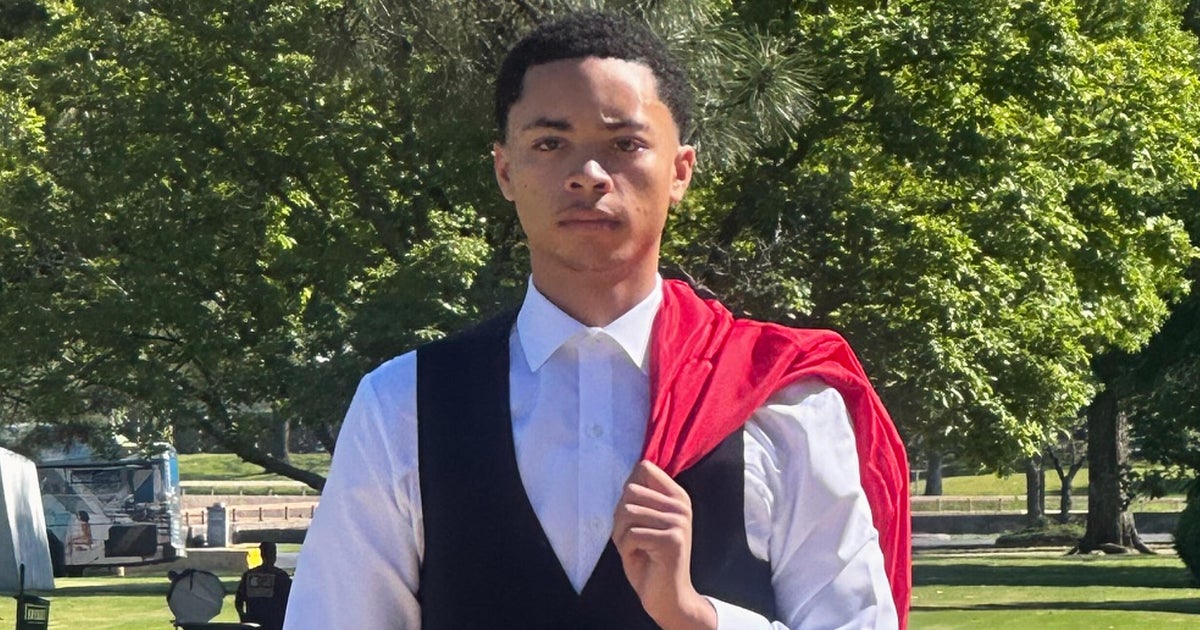

Tragedy on the Court: The Death of College Basketball Player Ethan Dietz
A Promising Young Athlete’s Final Game
The basketball court should have been a place where dreams were built, not where they tragically ended. Ethan Dietz, a 20-year-old forward for Connors State College in Warner, Oklahoma, lost his life on November 25th following what should have been just another game. The 6-foot-8 athlete from Conway, Arkansas, was playing against Grayson College in Texas on November 22nd when he suffered a devastating head injury after being struck by an opponent’s elbow. In what would become his final performance, Ethan managed to score six points and grab four rebounds before the fatal injury occurred. He was averaging 11 points per game through eight contests that season, showing the kind of steady improvement that reflected his dedication to the sport he loved. His dream was clear and unwavering: to become a Division I basketball player. His mother, Krystal Dietz, would later describe how her son “grinded year-round to better himself for the upcoming season,” possessing the discipline, dedication, and work ethic that should have carried him toward his goals, if only fate had given him more time.
Serious Questions About Medical Care and Response
The circumstances surrounding Ethan’s death have raised troubling questions about the medical care he received—or didn’t receive—after sustaining his injury. According to Michael Holden, an attorney representing the Dietz family, Ethan was denied immediate medical evaluation after being struck in the head. Even more concerning, the legal team alleges that rather than being taken to receive proper medical attention, Ethan was actually put back into the game. This decision, if proven accurate, could represent a catastrophic failure in player safety protocols. After the game concluded, Ethan reportedly joined his teammates on the two-hour bus ride back to Oklahoma, a journey during which critical symptoms may have been developing unnoticed. It wasn’t until he was back in his dorm room that the true severity of his condition became apparent, when he began suffering seizures. Only then was he rushed to a hospital, but by that point, the damage was irreversible. According to information provided by the family’s legal team, a coroner’s examination revealed that Ethan died from blunt force trauma to the head and a subdural hematoma—a collection of blood between the skull and brain that can be fatal if not treated immediately.
The College’s Limited Response and Personnel Changes
Connors State College, a junior college with approximately 3,000 students nestled in the small Oklahoma town of Warner, has been notably tight-lipped about the specifics of what happened that day. When questioned about the medical care Ethan received following his injury, a college spokesperson declined to provide details, instead issuing a carefully worded statement emphasizing that the school’s “top priority at this time remains caring for Ethan’s family, the team and the CSC community as they continue to mourn this heartbreaking loss.” The statement also noted that the college was “unaware of any active or pending litigation related to this matter and is unable to comment on any potential claim.” While no lawsuit has been filed yet, the family’s legal team has made clear they are actively investigating the circumstances of Ethan’s death. In the weeks following the tragedy, the college made a significant announcement: Bill Muse, who had served as both the men’s basketball coach and athletics director at Connors State for many years, was stepping down from the program, citing “personal reasons.” The timing of this departure, coming so soon after Ethan’s death, has only added to the questions swirling around the case, though the college has not drawn any explicit connection between the two events.
The Broader Context of Head Injuries in Sports
Ethan’s tragic death highlights an issue that has received increasing attention across all levels of athletics: the proper identification and treatment of head injuries. In recent years, the sports world has become much more aware of the dangers of concussions and traumatic brain injuries, particularly in contact sports. Professional leagues have implemented strict concussion protocols, and many high schools and colleges have followed suit with policies designed to protect young athletes. However, this case raises the disturbing possibility that even with increased awareness, proper protocols may not always be followed when they’re needed most. The pressure to keep star players in games, combined with sometimes limited medical resources at smaller schools, can create dangerous situations. A subdural hematoma, the condition that ultimately claimed Ethan’s life, is particularly insidious because symptoms may not appear immediately. Athletes can seem fine initially, only to deteriorate rapidly as blood accumulates and creates pressure on the brain. This is precisely why immediate medical evaluation is so critical when any blow to the head occurs—time is literally a matter of life and death. The fact that Ethan allegedly returned to play after his injury, then sat on a bus for two hours before receiving hospital care, represents the kind of delay that can turn a treatable injury into a fatal one.
A Mother’s Grief and Unanswered Questions
Behind the legal filings and institutional statements lies a family devastated by the loss of a beloved son. Krystal Dietz’s words about her son paint a picture of a young man who embodied everything parents hope to see in their children: ambition, determination, and an unwavering work ethic. Ethan wasn’t just playing basketball for fun; he was pursuing a genuine dream with the kind of single-minded focus that sets apart those who achieve great things. His year-round commitment to improving his game, his willingness to put in the work when others weren’t watching—these qualities speak to someone who understood that dreams require sacrifice and dedication. For a mother to watch her son pour himself into his passion, only to lose him in a situation where proper medical care might have saved his life, represents an unimaginable tragedy. The statement from Connors State College after Ethan’s death acknowledged that his “loss reminds us all how precious life is and how much those around us impact our lives,” encouraging the community to “be inspired by Ethan’s spirit, friendship and love.” While such sentiments are undoubtedly sincere, they do little to address the fundamental questions his family deserves to have answered: What exactly happened on that court? Who made the decision to put him back in the game? What medical personnel were present? And could different decisions have saved his life?
The Path Forward and Lasting Impact
As of now, the Oklahoma Medical Examiner’s Office has not responded to inquiries about the case, and no lawsuit has been officially filed, though the family’s legal team continues to investigate. The coming weeks and months will likely bring more details to light about exactly what transpired during and after that fateful game in Texas. For Ethan’s family, no amount of legal resolution can bring back their son, but answers and accountability may provide some measure of justice and potentially prevent similar tragedies in the future. This case serves as a sobering reminder to athletic programs at all levels about the absolute necessity of proper medical protocols and the courage to prioritize athlete safety over competitive concerns. When a young person’s parents entrust their child to a college athletic program, they’re placing faith in that institution to protect their most precious gift. Ethan Dietz should have had the opportunity to continue pursuing his Division I dreams, to continue improving his game, to see where his dedication and talent might take him. Instead, his promising life was cut short at just 20 years old, leaving behind grieving family members, devastated teammates, and a community struggling to understand how a routine basketball game could end in such an unthinkable loss. His story will hopefully serve as a catalyst for ensuring that no other family has to endure similar heartbreak due to inadequate medical response to sports injuries.