

Understanding the Recent Surge in Whale Activity Around Chainlink: What It Means for Crypto Investors
The Current State of the Altcoin Market and Emerging Opportunities
The cryptocurrency market has been experiencing what many would describe as a prolonged winter for altcoins. Prices have remained stubbornly low, investor sentiment has been cautious at best, and many tokens have struggled to maintain their value against both Bitcoin and traditional currencies. However, beneath this seemingly bleak surface, interesting patterns are beginning to emerge that suggest the story might be more nuanced than simple market-wide pessimism. CryptoQuant, one of the industry’s most respected cryptocurrency analytics firms, has recently published research that sheds light on some potentially significant developments. While the broader altcoin market continues to face headwinds, their analysis reveals that certain digital assets are starting to exhibit unusual activity patterns that deserve closer attention from both investors and market observers. Most notably, they’ve identified specific tokens where so-called “whale” investors—individuals or entities controlling massive amounts of cryptocurrency—are making strategic moves that could signal important shifts in market dynamics. These movements aren’t happening across the board; rather, they’re concentrated in select assets, suggesting that sophisticated investors might be positioning themselves for opportunities that aren’t yet obvious to the broader market.
Why Whale Movements Matter More Than You Might Think
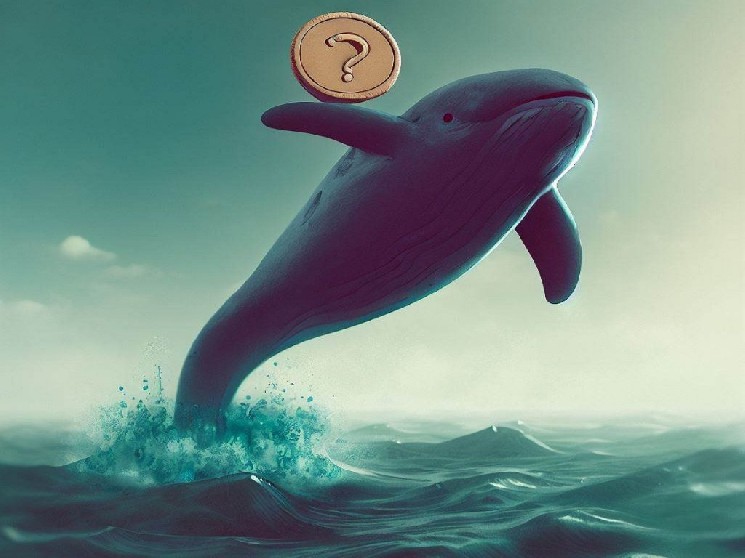
For those less familiar with cryptocurrency market analysis, understanding why large investor movements deserve attention is crucial. In traditional financial markets, tracking institutional investors provides valuable insights into market sentiment and future direction. The cryptocurrency world has its own equivalent: whales. These are addresses or entities controlling substantial amounts of digital assets, and their actions can significantly impact prices and market trends. When whales move their assets, particularly when they withdraw large quantities from exchanges to private wallets, it often signals accumulation—a belief that prices will rise in the future. Conversely, when whales deposit large amounts to exchanges, it typically suggests they’re preparing to sell. CryptoQuant’s analysis emphasizes that monitoring these movements represents a critical strategy for anyone trying to understand where the market might be heading next. The reasoning is straightforward: whales typically have access to better information, more sophisticated analysis tools, and longer investment horizons than retail investors. They’re not usually making impulsive decisions based on social media hype or short-term price swings. Instead, their movements often reflect deep conviction about an asset’s fundamental value or future potential. By tracking where these large players are moving their money, smaller investors can potentially gain insight into opportunities before they become obvious to the broader market.
Chainlink Emerges as a Focal Point of Whale Interest
Among the various altcoins CryptoQuant analyzed, one token stands out with particularly noteworthy whale activity: Chainlink’s LINK token. For context, Chainlink is a decentralized oracle network that allows smart contracts on various blockchain platforms to securely interact with external data feeds, events, and payment methods. It’s considered critical infrastructure for the broader cryptocurrency ecosystem, particularly as decentralized finance (DeFi) applications have grown. The data reveals something striking: whales have been systematically moving LINK tokens off exchanges, particularly from Binance, the world’s largest cryptocurrency exchange by trading volume. When examining the top ten daily outflows of LINK, CryptoQuant identified two distinct peaks in activity, with some individual days seeing more than 8,000 LINK tokens withdrawn from Binance alone. To put this in perspective, at current prices, this represents movements worth hundreds of thousands of dollars in single transactions—amounts that far exceed typical retail investor activity. What makes this pattern even more interesting is its consistency. This isn’t just a one-time event or a temporary spike. The data shows a sustained trend over recent weeks and months, suggesting coordinated or similarly-minded behavior among multiple large investors rather than isolated incidents.
The Numbers Tell a Compelling Story of Gradual Accumulation
Looking beyond the dramatic individual peaks, the monthly average data provides perhaps an even more revealing picture of what’s happening with Chainlink. CryptoQuant’s analysis shows that the average daily amount of LINK being withdrawn in the top ten exit transactions has increased measurably since mid-February. Specifically, the daily average has climbed from approximately 2,000 LINK tokens to around 2,600 LINK tokens—a 30% increase in the baseline level of large-scale withdrawals. This gradual but persistent increase in whale outflows suggests something more systematic than opportunistic trading. It indicates that multiple large investors have been quietly accumulating LINK over an extended period, methodically building positions while prices remain relatively depressed. This kind of patient, steady accumulation is often characteristic of sophisticated investors who believe an asset is fundamentally undervalued but aren’t in a rush to push prices higher. They’re content to accumulate at current levels, possibly even preferring that prices remain stable or low while they build their positions. The pattern differs markedly from the speculative frenzy that typically accompanies altcoin rallies, where sudden spikes in buying activity quickly drive prices upward. Instead, what we’re seeing with LINK appears to be strategic positioning by players with longer time horizons and conviction in the asset’s future prospects.
Interpreting the Signals: Opportunity or False Dawn?
So what does all this whale activity actually mean for the average cryptocurrency investor or market observer? CryptoQuant’s analysis suggests that these increasing outflows could indicate that some large market participants are beginning to position themselves for future price movements, potentially anticipating a reversal in LINK’s fortunes or the broader altcoin market. The logic is straightforward: if whales are moving tokens off exchanges and into cold storage or private wallets, they’re likely planning to hold rather than sell in the near term. This reduces the available supply on exchanges, which, all else being equal, should support higher prices when demand eventually increases. However, CryptoQuant is careful to inject an important note of caution into this otherwise bullish interpretation. They explicitly remind investors that similar accumulation signals in other assets or at other times have not yet resulted in trend reversals during the current market correction phase. In other words, just because whales are accumulating doesn’t guarantee that prices will rise soon—or at all. Markets can remain irrational or depressed for longer than seems reasonable, even in the face of positive fundamental developments or whale accumulation. The current correction in the altcoin market has proven particularly persistent, with many tokens remaining well below their previous highs despite various positive signals along the way.
The Bigger Picture: What This Means for Your Investment Approach
For investors trying to make sense of this information, several key takeaways emerge. First, whale activity provides valuable context and can serve as one piece of a broader analytical puzzle, but it shouldn’t be the sole basis for investment decisions. The fact that large investors are accumulating LINK is certainly interesting and potentially bullish, but it exists within a broader market context that remains challenging for altcoins generally. Second, the gradual nature of the accumulation pattern suggests that any potential price appreciation might similarly unfold over time rather than in a sudden explosive move. Patient investors who share the longer-term perspective of these whales might find this opportunity appealing, while those seeking quick returns might be disappointed. Third, this analysis underscores the importance of looking beyond simple price charts to understand market dynamics. The LINK price might not reflect the accumulation happening beneath the surface, which is precisely why whale tracking provides additional valuable information. Finally, it’s worth remembering the disclaimer that accompanies CryptoQuant’s analysis and should accompany any discussion of cryptocurrency markets: this is not investment advice. The cryptocurrency market remains highly volatile and speculative, with risks that extend well beyond traditional asset classes. While whale movements and sophisticated analytics can provide useful insights, they cannot eliminate the fundamental uncertainties and risks inherent in this emerging market. Whether the current LINK accumulation by whales proves to be the early stage of a significant rally or just another false signal in a continuing correction remains to be seen, but it certainly provides food for thought for anyone following the cryptocurrency markets.