
White House Correspondents’ Dinner Shooting: A Night of Terror Averted
The Terrifying Incident That Shook Washington
What should have been an evening of celebration and camaraderie turned into a scene of chaos and fear on Saturday night when gunfire erupted at the White House Correspondents’ Dinner in Washington, D.C. The annual event, traditionally a lighthearted gathering where politicians, journalists, and celebrities come together to recognize press freedom and raise funds for journalism scholarships, became the target of a violent attack that could have resulted in catastrophic casualties. More than 2,500 attendees—including some of the nation’s most prominent figures in politics, media, and entertainment—were present when shots rang out, forcing an immediate evacuation of President Trump and throwing the glittering ballroom into panic. Thanks to the swift action of Secret Service agents and the security protocols in place, what could have been a massacre was prevented, though the incident has left the nation shaken and raised serious questions about security at high-profile events.
The attack occurred despite multiple layers of security that are standard for events attended by the President of the United States. Attendees had passed through metal detectors and security screenings before entering the venue, and Secret Service agents were positioned throughout the ballroom and its perimeter. When the shooting began, these security measures proved their worth. A Secret Service agent was struck by gunfire during the incident but was saved by a bulletproof vest—a reminder of the very real dangers these law enforcement officers face while protecting our nation’s leaders. The agent has since been released from the hospital and is recovering, a small but significant piece of good news in an otherwise disturbing event. The fact that no other injuries occurred speaks volumes about the effectiveness of the security checkpoint system and the professionalism of the agents who put their lives on the line.
The Suspect and His Alleged Motivations
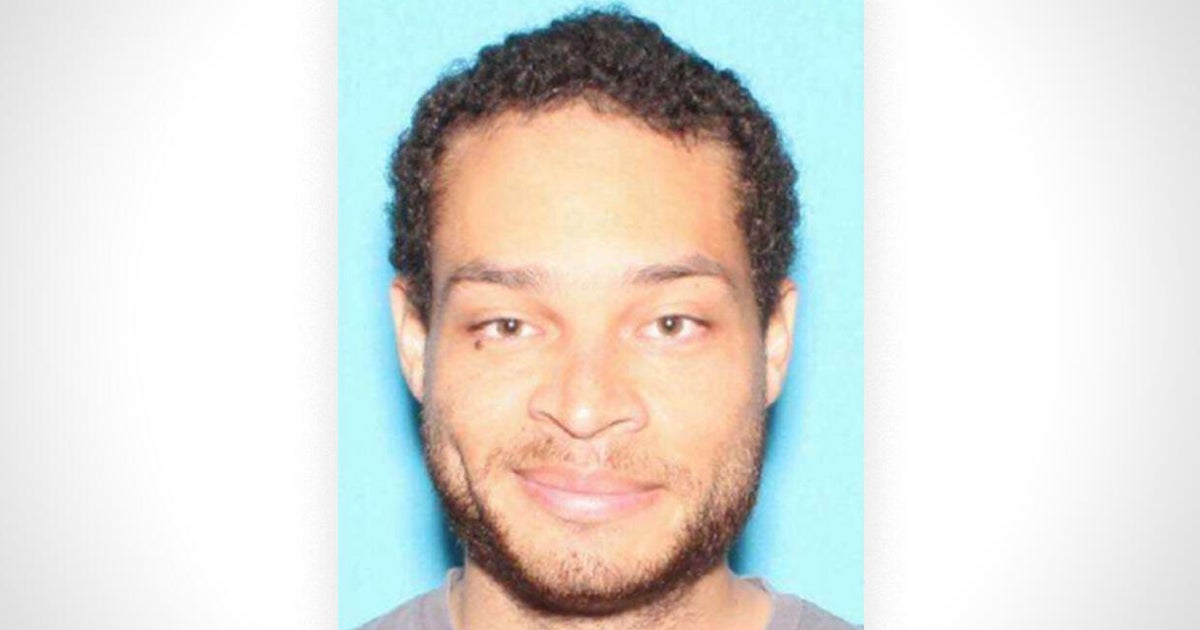
The suspected gunman has been identified as 31-year-old Cole Thomas Allen from Torrance, California. Law enforcement officials were able to quickly apprehend Allen at the scene, preventing him from advancing further into the venue where thousands of people were gathered to hear the President speak. After his arrest, Allen was taken to a local hospital for evaluation—a standard procedure following such incidents—before being transferred to a jail facility in Washington, D.C. He is scheduled to be arraigned Monday in federal court, where he will face serious charges that could result in decades of imprisonment if convicted. U.S. Attorney Jeanine Pirro announced Saturday night that Allen will be charged with using a firearm during a crime of violence and assault on a federal officer using a dangerous weapon, though she indicated that additional charges are expected to be filed.
Perhaps most chilling is what investigators discovered after Allen’s arrest: a so-called “manifesto” that the suspect allegedly wrote and left behind. CBS News obtained a copy of this document, which provides disturbing insight into Allen’s mindset and intentions. According to the manifesto, Allen planned the attack because he didn’t want the “crimes” of the current administration to “coat [his] hands”—a phrase suggesting he felt some form of moral imperative to act. While he didn’t specifically name President Trump or the White House Correspondents’ Dinner in his writings, he allegedly stated that he intended to target administration officials, “prioritized from highest-ranking to lowest.” This statement indicates that Allen had a deliberate plan and hierarchy of targets in mind, making this not an impulsive act of violence but a premeditated attack designed to inflict maximum harm on government officials.
The Investigation and Security Implications
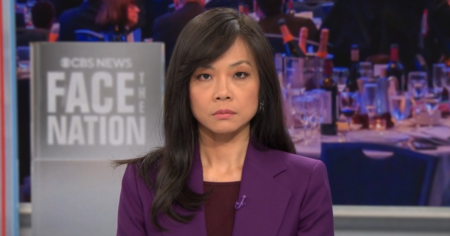
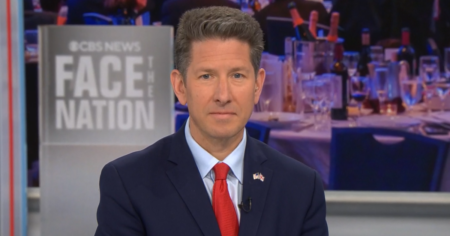
Federal authorities are now conducting a comprehensive investigation into the incident from multiple angles. The FBI has launched a criminal investigation to build the strongest possible case against Allen and to determine whether he had any accomplices or support network. Simultaneously, the Secret Service is conducting its own investigation into Allen’s background, attempting to understand what led him to this point and what warning signs might have been missed. Acting Attorney General Todd Blanche appeared on CBS’s “Face the Nation with Margaret Brennan” on Sunday morning, where he confirmed that investigators believe the suspect was specifically targeting Trump administration officials rather than attacking randomly or targeting the media professionals in attendance.
The investigation will likely examine Allen’s digital footprint, including his social media activity, online searches, and any communications he may have had with others who share extremist views. Authorities will also be looking at how Allen obtained his firearm, whether he had any history of mental illness or previous encounters with law enforcement, and whether he traveled to Washington, D.C., specifically for this attack or was already in the area. Understanding the full scope of Allen’s planning and motivations is crucial not only for prosecuting this case but also for preventing similar attacks in the future. The manifesto suggests someone who had been nurturing grievances against the administration for some time, raising questions about whether there were opportunities for intervention before he reached the point of violent action.
A Testament to Security Protocols
While the incident was undoubtedly terrifying for everyone present, it also demonstrated the critical importance of robust security measures at high-profile events. U.S. Attorney Pirro emphasized this point in her Saturday night remarks, noting that “the checkpoint right outside the ballroom where thousands of people were situated to hear the president of the United States, that checkpoint worked.” This checkpoint system, which likely included metal detectors, bag searches, and credential verification, created a buffer zone between potential threats and the attendees inside. By stopping Allen at this outer perimeter, security personnel prevented him from entering the main ballroom where the concentration of people would have made any attack far more deadly.
The incident serves as a sobering reminder that the threats facing public officials and those who gather around them are very real and ongoing. The Secret Service agent who was struck by gunfire but protected by body armor exemplifies the dedication of these professionals who literally stand between potential assassins and their intended targets. These men and women train extensively for exactly these scenarios, and their quick thinking and decisive action on Saturday night prevented what Attorney Pirro described as an individual who was “intent on doing as much harm and as much damage as he could.” The success of the security response will likely be studied and analyzed to identify any areas for improvement while also validating current protocols that proved effective.
Moving Forward After Trauma
As the nation processes this frightening incident, attention will turn to supporting those who were present and ensuring they receive any counseling or assistance they need to deal with the trauma. While no one besides the Secret Service agent was physically injured, the psychological impact of being present during a shooting—especially one with such clear targeting of specific individuals—can be profound and long-lasting. The more than 2,500 people in attendance that night will each process the experience differently, but many will likely experience symptoms of post-traumatic stress, including anxiety, difficulty sleeping, and heightened vigilance in public spaces.
The White House Correspondents’ Dinner has been a Washington tradition for over a century, serving as one of the rare occasions when political adversaries, journalists who hold power accountable, and cultural figures come together in a spirit of mutual respect and often humor. This attack represents an assault not just on specific individuals but on the very idea that such gatherings can occur in a free society. As Cole Thomas Allen faces justice for his alleged crimes, the nation must grapple with difficult questions about political violence, extremism, and how to maintain both security and openness in our democratic institutions. The arraignment on Monday will be just the first step in a legal process that will hopefully provide answers and accountability while allowing those affected to begin the healing process.