
Buddhist Monks Caught in Major Drug Smuggling Operation at Sri Lankan Airport
A Shocking Discovery at Colombo’s International Airport
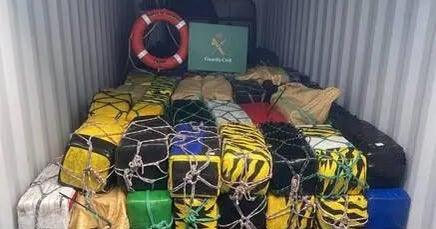
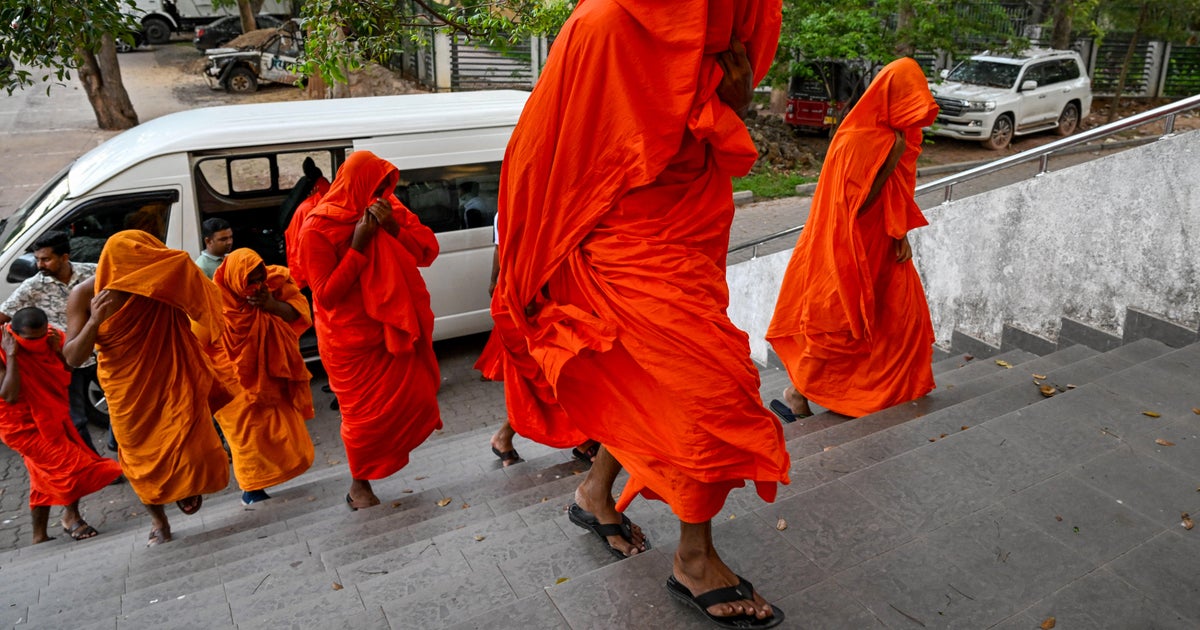
In a stunning turn of events that has sent shockwaves through Sri Lanka’s religious community, twenty-two Buddhist monks were arrested at the country’s main international airport on Sunday after customs officials discovered an astounding 242 pounds of high-potency cannabis concealed in their luggage. The group had just returned from what was supposed to be a peaceful four-day vacation in Bangkok, Thailand’s bustling capital city. Instead of bringing back souvenirs and spiritual enlightenment, these monks were attempting to smuggle Kush—an exceptionally potent, plant-based strain of cannabis—into the South Asian nation. According to the Sri Lanka Customs spokesman, each monk was carrying approximately five kilograms (about 11 pounds) of the narcotic cleverly hidden within false compartments built into the walls of their suitcases. This elaborate smuggling scheme represents the largest single detection of Kush ever recorded at Sri Lanka’s primary international gateway, marking a troubling milestone in the country’s ongoing battle against drug trafficking.
The Profile of the Alleged Smugglers
What makes this case particularly disturbing to many Sri Lankans is the profile of those involved. The arrested individuals weren’t hardened criminals or known drug traffickers—they were mostly young students from various Buddhist temples scattered across Sri Lanka. These novice monks, who are expected to uphold the highest standards of moral conduct and serve as spiritual guides for their communities, had reportedly traveled to Thailand on a holiday that was generously sponsored by a local businessman. The nature of their trip and the sponsorship arrangement has raised numerous questions among investigators about whether this was an opportunistic crime or part of a more organized operation. After their arrest, the monks were handed over to police custody and were scheduled to appear before a magistrate later that same Sunday to face charges. The incident has sparked intense debate within Sri Lankan society about the pressures facing young religious students and the apparent vulnerability of even spiritual institutions to criminal exploitation.
A Pattern of Drug Smuggling at Colombo Airport
Unfortunately, this massive bust involving the monks is far from an isolated incident at Sri Lanka’s main international airport. The facility has become a focal point for international drug smuggling operations, with authorities making several significant arrests in recent years. Just last May, a 21-year-old British woman named Charlotte May Lee was apprehended at the same airport with 101 pounds of the same drug concealed in her luggage. Lee, who had traveled from Bangkok to Colombo, claimed she was merely trying to renew her Thai visa and had no knowledge of the drugs in her possession. According to reports from the BBC, she insisted that the narcotics must have been planted in her luggage at her Bangkok hotel, though this defense did little to prevent her arrest and prosecution. Then, in June 2025, customs authorities at the airport made what they described as their largest-ever cocaine seizure when they arrested an unnamed 38-year-old Thai woman who was attempting to smuggle approximately 22 pounds of cocaine into the country. In a creative but ultimately unsuccessful attempt at concealment, the cocaine had been stuffed into three plush toys, presumably to avoid detection during security screening.
Sri Lanka’s Broader Battle Against Drug Trafficking
The challenges facing Sri Lankan authorities extend well beyond their international airport. In recent years, the island nation has witnessed numerous attempts to smuggle substantial quantities of heroin and other dangerous narcotics into the country via small fishing boats that arrive along its extensive coastline. These maritime smuggling operations represent a different but equally serious threat to the country’s security and public health. The diversity of smuggling methods—from sophisticated false-bottomed luggage to stuffed toys to fishing vessels—demonstrates the resourcefulness of international drug trafficking networks and the constant challenges faced by law enforcement. Sri Lanka’s strategic location in the Indian Ocean, positioned between major drug-producing regions and consumer markets, makes it an attractive transit point for traffickers. The country’s authorities have had to continuously adapt their detection methods and invest in training and equipment to keep pace with evolving smuggling techniques. The arrest of the 22 monks represents both a significant victory in this ongoing battle and a sobering reminder of how deeply drug trafficking networks can penetrate society, even reaching into religious institutions that are traditionally viewed as beyond reproach.
Buddhist Monks and Drug-Related Offenses: A Troubling Global Pattern
Sadly, the arrest of these Sri Lankan monks is not the first time that Buddhist religious figures have been implicated in drug-related crimes, pointing to a concerning pattern that extends across several Southeast Asian countries. In 2022, an entire Buddhist temple in central Thailand made international headlines when every single monk at the facility was defrocked after they all tested positive for methamphetamine use. Rather than facing criminal prosecution alone, these monks were sent to a health clinic to undergo drug rehabilitation, reflecting Thailand’s somewhat more treatment-oriented approach to drug addiction among religious figures. The incident raised serious questions about oversight and supervision within religious institutions and how such widespread drug use could go undetected or unaddressed for what was presumably an extended period. Even more dramatically, in 2017, police in Myanmar arrested a Buddhist monk after discovering more than four million methamphetamine pills hidden in his car and at his monastery. The sheer scale of that operation suggested the monk wasn’t simply a user but was likely involved in significant drug distribution activities, using his religious position as cover for criminal enterprise.
Implications and Reflections on a Troubling Trend
These incidents collectively paint a troubling picture of how drug trafficking and substance abuse have infiltrated even the most sacred institutions in Buddhist-majority countries across Southeast Asia. For communities where monks are revered as moral exemplars and spiritual leaders, such revelations are deeply disturbing and disorienting. The question arises: what factors are driving young religious students and established monks alike toward involvement with illegal narcotics? Some observers point to the economic pressures facing religious institutions, which often operate on limited budgets and depend on donations from communities that may themselves be struggling financially. Others suggest that the strict demands of monastic life, combined with limited oversight and the considerable trust placed in religious figures, may create opportunities for those with criminal intent to exploit their positions. The case of the 22 Sri Lankan monks is particularly puzzling because their trip was sponsored by a businessman, raising questions about whether they were knowing participants in a smuggling operation, were coerced or manipulated into carrying drugs, or were unwitting mules who had no idea what was hidden in specially modified luggage. As these individuals face the Sri Lankan legal system, their cases will likely reveal more about the circumstances that led to their arrests. What remains clear is that drug trafficking organizations are willing to exploit any vulnerability, even within religious communities, and that authorities across the region must remain vigilant while also addressing the underlying social and economic factors that make individuals—including monks—vulnerable to involvement in the drug trade.