


Rural Healthcare Funding: Will Small Community Clinics Get Their Fair Share?
The Heart and Soul of Rural America at Risk
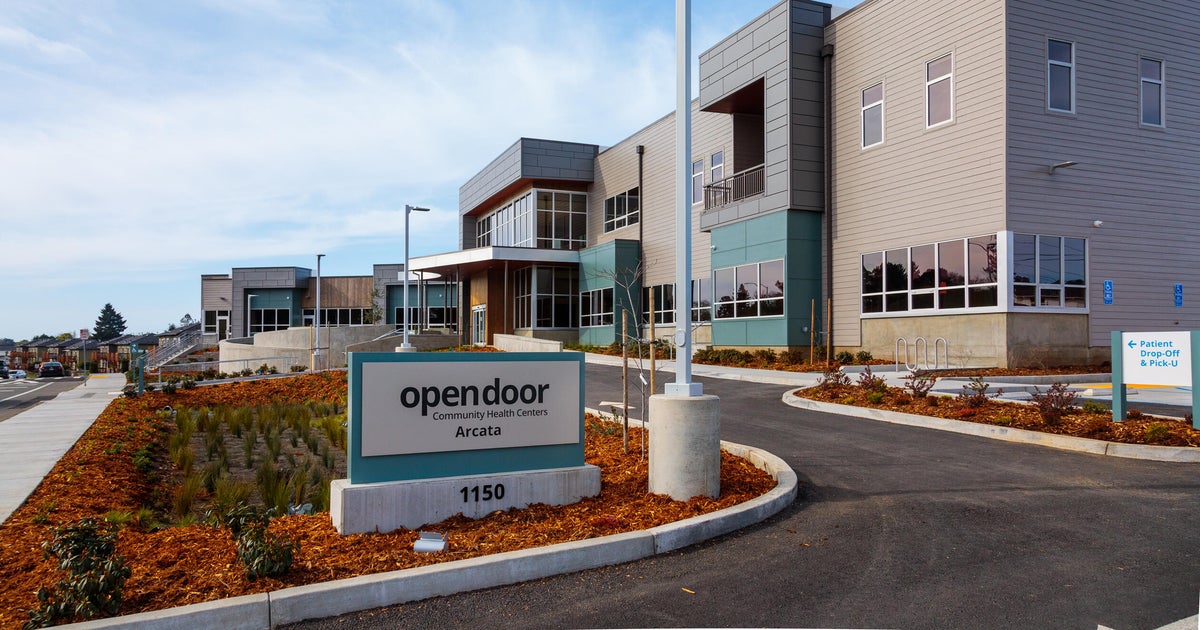
Tory Starr, a registered nurse who has led Open Door Community Health Centers as chief executive for over six years, finds himself increasingly anxious about the future of healthcare for vulnerable communities along California’s North Coast. The patients who walk through Open Door’s doors aren’t the wealthy or well-connected—they’re the restaurant workers who serve your meals, the teacher’s aides who help educate children, and the countless other hardworking individuals who form the backbone of rural communities across America. These are people who often live paycheck to paycheck, many relying on Medicaid to access basic medical care. With approximately 30,000 of Open Door’s 60,000 patients covered by Medicaid or the Children’s Health Insurance Program—safety net programs serving roughly 76 million Americans with low incomes or disabilities—the stakes couldn’t be higher. The irony Starr faces is painfully clear: Congress passed the One Big Beautiful Bill Act, which simultaneously gutted Medicaid funding by nearly $1 trillion over the coming decade while establishing a $50 billion Rural Health Transformation Program supposedly designed to help communities just like his. Now Starr and healthcare providers like him across rural America are left wondering whether this new funding will genuinely reach the patients who need it most, or whether it will be absorbed by corporate giants and technology vendors before trickling down to actual patient care.
Big Money, Big Questions About Where It’s Going
After federal officials announced that all 50 states received first-year awards from the Rural Health Transformation Program—ranging from $147 million for New Jersey to $281 million for Texas—the details of state spending plans have begun revealing a pattern that concerns small community providers. A significant portion of the allocated funds appears destined for large-scale technology initiatives: electronic health records systems, cybersecurity enhancements, and state-level technology platform improvements. At least four major corporate coalitions have emerged, aggressively marketing comprehensive service packages to states eager to meet federal requirements and spending deadlines. These companies aren’t newcomers to the healthcare space—many already maintain lucrative contracts with regional health systems and state Medicaid programs, providing services ranging from mobile health units to telehealth operations. The fundamental question remains frustratingly unanswered: How will funneling rural healthcare dollars through these corporate intermediaries actually improve the day-to-day medical care received by patients at small community clinics like Open Door? While technology upgrades and digital infrastructure improvements sound impressive on paper and in state budget proposals, the direct connection between these high-level investments and better health outcomes for the restaurant worker or teacher’s aide remains unclear, leaving providers like Starr concerned that the people they serve may see little tangible benefit.
Racing Against the Clock: States Face Tight Federal Deadlines
The federal government, through the Centers for Medicare & Medicaid Services (CMS), structured the Rural Health Transformation Program with explicit emphasis on digital health investments and modernization of healthcare infrastructure, including expansion of virtual care options like telehealth and remote patient monitoring. However, Maya Sandalow from the Bipartisan Policy Center, who co-authored a comprehensive analysis of state spending plans, points out a crucial limitation: “The rural health fund isn’t really designed to directly replace or offset the lost Medicaid funding.” Federal regulators capped provider payments—the money that could directly help rural hospitals and clinics cover patient care costs—at just 15% of each state’s total funding award. Perhaps even more challenging, CMS established aggressive reporting deadlines that force states to move at breakneck speed. States must submit detailed progress reports by the end of August and obligate all first-year funding by October 30th, with the very real threat that awards could be decreased or terminated entirely if states fail to meet federal requirements. As of early April, several states including Wyoming, Colorado, and Vermont were still waiting for full or partial budget approval from CMS, though the agency declined to provide state-by-state updates. Alaska, despite having an approved budget, hadn’t yet announced when it would release full grant proposals and awards, with program coordinator Tricia Franklin noting that vendor and applicant response had been “much greater than expected,” potentially delaying the timeline beyond the initially targeted early summer release.
Corporate Coalitions Position Themselves for Billions
The tight federal deadlines and complex technical requirements have created a perfect environment for large consulting companies and corporate coalitions to position themselves as essential partners for states struggling to meet obligations and distribute funds quickly. Morgan McDonald from the Milbank Memorial Fund, a nonprofit focused on state health policy, acknowledged that working with consulting companies represents an “established way for states to quickly and effectively meet federal deadlines and roll out grant money.” Science Applications International Corp., a Fortune 500 government contractor specializing in cybersecurity and engineering support, assembled the Alliance for Advancing Rural Healthcare, bringing together companies including Walgreens, Mission Mobile Medical (which converts RVs into mobile primary care clinics), data analytics firms, telemedicine platforms, and medical graduate placement services. Suresh Soundararajan, SAIC’s program lead and former chief information officer for Virginia’s Department of Health, describes this coalition as “an ecosystem” of coordinated companies capable of delivering the comprehensive services states have promised in their applications. Another major coalition led by Gainwell Technologies, which already operates Medicaid systems for dozens of states, is actively pursuing contracts, with senior vice president Rushil Desai noting that state spending plans are “changing in real time.” Maine’s initial application alone included four contracts with Gainwell worth over $16 million across five years, though the state has only received federal approval for first-year spending, including a $250,000 contract for Medicaid claims system modifications.
Will Main Street Healthcare Providers Be Left on the Margins?
The heavy emphasis on technology infrastructure and the prominence of large corporate vendors in state spending plans has sparked concern among advocates for small, community-based healthcare providers who actually deliver day-to-day care in rural areas. James Lomastro, a senior-care advocate with the nonprofit Dignity Alliance in rural Massachusetts, expressed worry that “large vendors and health systems will get the state’s transformation dollars,” while “clinics, home care agencies, and nursing homes that actually provide day-to-day support in the community are mostly on the margins” of state discussions about spending priorities. To be fair, the lack of digital infrastructure has long represented a genuine barrier for rural medical care teams, as Sandalow from the Bipartisan Policy Center explained: funding hasn’t consistently been available for rural areas to build the infrastructure needed to fully adopt remote patient monitoring, telehealth, and artificial intelligence in supportive ways, requiring updates to infrastructure and changes to workflows. State spending plans reflect this technology focus: Maine and Utah are investing in cybersecurity; Indiana, Missouri, and New Mexico plan to modernize electronic health records; Oklahoma will purchase hardware and software, subsidize subscriptions, and provide technical support to rural providers; and Arizona and South Carolina will create telehealth hubs and purchase remote patient monitoring equipment. Federal regulators limited states to spending no more than 5% of total awards on replacing electronic medical records systems that already meet federal standards, meaning states will primarily focus on enhancements and upgrades to existing systems rather than complete overhauls.
Hope for Community-Centered Care Amid Corporate Competition
Despite the concerning concentration of funds flowing toward technology vendors and corporate coalitions, some encouraging signs suggest that patient-centered, community-based care hasn’t been entirely forgotten in the funding scramble. Arizona’s first-year rural fund budget of $167 million allocates approximately $30 million for medical diagnostic equipment and technology upgrades at rural healthcare facilities, but also prioritizes grants for county public health departments, according to Pima County Public Health Director Theresa Cullen, with up to $4 million designated specifically for grants supporting community health workers—because, as Cullen emphasized, “in these rural communities, you need to be present.” Alina Czekai, director of the CMS rural health transformation office, told attendees at the National Rural Health Association’s policy conference in February that her team plans to visit all 50 states and wants “the money to go to rural communities, rural providers, rural patients”—an encouraging statement to association members who include rural hospitals and clinics expected to suffer substantial losses under Medicaid cuts. Back at Open Door Community Health Centers in California, Tory Starr remains cautiously hopeful. While he provided input on California’s initial application, which secured $234 million in first-year funding, he admits uncertainty about next steps for actually receiving program money. For his patients—those restaurant workers and teacher’s aides—Starr recognizes that technology upgrades genuinely matter: updated electronic health systems operating seamlessly could store the documentation needed to keep patients enrolled in Medicaid during a period of unprecedented coverage cuts. The technology investments that skeptics worry benefit corporations more than patients could, in Starr’s view, prove essential to “help keep people covered” at Open Door and similar community clinics across rural America, provided the funding actually reaches the providers delivering frontline care rather than being absorbed entirely by corporate intermediaries and consultants.