

Sam Bankman-Fried’s Bold Legal Gambit: A Fight for Freedom from Behind Bars
Taking Matters Into His Own Hands
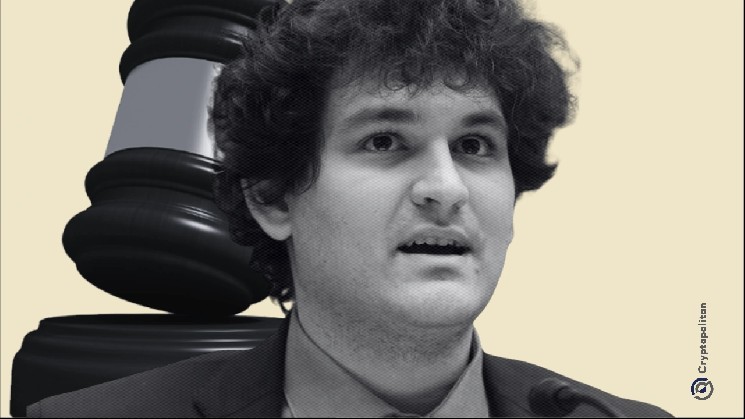
In a surprising turn of events, Sam Bankman-Fried, the disgraced founder of the now-defunct cryptocurrency exchange FTX, has made an unconventional move in his ongoing legal battle. Currently serving a 25-year prison sentence for what prosecutors described as one of the biggest financial frauds in American history, SBF has filed what’s known as a “pro se” motion—meaning he’s representing himself—asking for a completely new trial. The motion, filed on February 5th but only officially recorded in Manhattan federal court recently, was actually delivered to the court clerk by his mother, Barbara Fried, a retired law professor from Stanford University. This isn’t just a desperate shot in the dark from someone with nothing to lose; according to Barbara, this appeal has been carefully planned and worked on for quite some time, with her son deliberately choosing to write it in his own voice to make his case directly to the court.
What makes this motion particularly interesting is that it’s separate from the standard appeal of his 2023 conviction that’s already working its way through the court system. That appeal is currently being reviewed by a three-judge panel, though early indications from a November hearing suggest the judges weren’t exactly convinced by the arguments presented by his legal team. But SBF isn’t putting all his eggs in one basket—this new 35-page motion represents a different strategy altogether, one that focuses on what he claims is crucial evidence and testimony that wasn’t presented during his original trial. His central argument? That key witnesses who never took the stand could completely undermine the prosecution’s narrative that he deliberately defrauded FTX customers out of billions of dollars.
The Missing Witnesses Who Could Change Everything
The heart of Bankman-Fried’s new motion revolves around two former FTX executives who never testified during his trial: Daniel Chapsky and Ryan Salame. According to SBF, these individuals possess information that could fundamentally challenge the prosecution’s version of events regarding FTX’s financial condition when everything came crashing down. This is a bold claim, especially considering that Salame himself pleaded guilty to related charges and is currently serving a 7½-year prison sentence for his own role in the FTX debacle. You might wonder why someone who admitted guilt would have evidence that helps SBF’s case, but Bankman-Fried argues that Salame was essentially coerced into his guilty plea through what he describes as improper pressure tactics.
In his motion filed this week, SBF made some explosive allegations about why Salame never presented certain evidence. He claims that Salame actually had substantial documentation—including emails, memos, and legal work—that would support a different interpretation of what happened at FTX. According to Bankman-Fried, the previous administration prevented Salame from presenting this evidence and even went so far as to threaten his pregnant fiancée to force him into accepting a guilty plea. These are serious accusations that, if true, would represent a significant miscarriage of justice. Salame himself has hinted at similar concerns, revealing on February 2nd that prosecutors had apparently told executives that Alameda Research (FTX’s affiliated hedge fund) didn’t need U.S. money-transmitting licenses for its international operations—advice that he claims ultimately led to his imprisonment when the legal winds shifted.
The Evidence That Never Reached the Jury
Beyond the missing witnesses, Bankman-Fried’s legal team during the original trial—and now SBF himself in this new motion—have consistently argued that Judge Lewis Kaplan, who presided over the case, made critical errors that prevented the jury from seeing the full picture. One of the most significant complaints involves evidence about FTX’s actual financial position at the time of its collapse in November 2022. SBF’s lawyer, Shapiro, argued during appeal hearings that Judge Kaplan wrongly prevented the defense from showing jurors that FTX actually had sufficient funds to repay its investors, despite the dramatic collapse and bankruptcy filing that shocked the crypto world and left thousands of customers in limbo.
This wasn’t the only evidence that got blocked, according to the defense. Judge Kaplan also prevented SBF’s lawyers from presenting testimony about legal advice that had been given to the young CEO as he built and operated the exchange. This decision came after a highly unusual court proceeding where Judge Kaplan actually put Bankman-Fried on the witness stand for three hours—without a jury present—essentially previewing what his testimony would sound like before deciding what could and couldn’t be presented to the actual jury. Critics of this approach argue that it gave the judge too much discretion in shaping what evidence the jury ultimately considered, potentially tilting the playing field against the defense.
There was also the matter of a 70-page document that SBF now claims was prepared by prosecutor Sassoon (who has since been fired under the Trump administration) that allegedly outlined all the evidence the government didn’t want the jury to see. If such a document exists and contains what Bankman-Fried suggests, it could indicate prosecutorial overreach or selective presentation of evidence—serious concerns in any criminal trial, but especially one with such enormous consequences for the defendant and the broader cryptocurrency industry.
A Judge Too Biased to Be Fair?
Perhaps the most dramatic element of Bankman-Fried’s new motion is his request that any new trial be overseen by a different judge entirely. He’s arguing that Judge Lewis Kaplan demonstrated what he calls “manifest prejudice” against him throughout the original proceedings. This is a serious allegation to make against a federal judge, and it’s rarely successful, but SBF apparently believes the record supports his claim. The request for a new judge suggests that Bankman-Fried and his supporters believe that even if they win the right to a new trial, they couldn’t get a fair shake with Judge Kaplan still at the helm.
This complaint about judicial bias fits into a broader narrative that SBF has been developing about his prosecution and conviction. He’s been quite vocal—at least through his legal filings and supporters—in claiming that the case against him was fundamentally unfair from the start. In a quote attributed to him, Bankman-Fried states: “So they lied, said I stole billions of dollars and bankrupted FTX. But the money was always there, and FTX was always solvent.” This framing directly contradicts the prosecution’s case and the jury’s verdict, which found him guilty on seven criminal counts including fraud and conspiracy related to illegally transferring billions of dollars from FTX customer accounts to Alameda Research, where risky investments contributed to the exchange’s ultimate collapse.
Political Persecution or Justice Served?
In what might be the most controversial aspect of his new motion, Bankman-Fried has injected a heavy dose of politics into his argument for a new trial. He’s now claiming that the Biden administration targeted him not primarily because of any actual wrongdoing, but because of political motivations. According to SBF, the previous administration “hated crypto” and he was “one of the faces of crypto in the U.S.,” making him a natural target for prosecutors looking to make an example of the industry. He’s also suggested that his shifting political donations—from being a major Democratic donor to also contributing to Republicans—made him a target, as did his connections to former SEC Chair Gary Gensler, with whom he had worked on potential cryptocurrency regulations.
These are explosive claims that paint his prosecution as politically motivated rather than a straightforward case of financial fraud. Whether there’s any merit to these allegations or whether they represent a desperate attempt to reframe a lost case remains to be seen. What’s undeniable is that the timing of these claims—coming during a change in presidential administrations—gives them a different resonance than they might have had a year or two ago. The fact that prosecutor Sassoon, who SBF specifically names in his motion, was later fired under the Trump administration might seem to lend some credence to the political dimension of this case, though correlation doesn’t necessarily equal causation.
What Happens Next and the Long Odds Ahead
Despite all these efforts, the path forward for Sam Bankman-Fried remains extremely challenging. Motions for new trials are notoriously difficult to win, requiring the defendant to show serious legal errors or new evidence that couldn’t have been discovered during the original trial. The fact that he’s representing himself in this particular motion, while symbolically interesting, doesn’t necessarily improve his chances—there’s a reason the old saying exists that “a person who represents themselves has a fool for a client.” That said, having a Stanford Law Professor for a mother probably helps with the quality of the legal reasoning, even if the motion is filed pro se.
Adding another layer of complexity to the situation is Bankman-Fried’s reported efforts to secure a pardon from President Donald Trump. Earlier this year, Trump made it clear he has no intention of freeing the former FTX CEO, which suggests that avenue is closed, at least for now. The three-judge appeals panel considering his main appeal also seemed skeptical during November hearings, though they haven’t issued a final ruling yet. All of this means that Bankman-Fried is essentially fighting on multiple fronts simultaneously—the standard appeal, this new motion for a new trial, and the court of public opinion—hoping that something, somewhere will break his way. For someone facing a quarter-century in prison, such persistence is understandable, even if the legal experts watching this case believe his chances of success remain slim. The coming months will reveal whether SBF’s determination to tell his side of the story in his own voice will make any difference to the courts, or whether his conviction and lengthy sentence will stand as one of the defining legal consequences of the cryptocurrency industry’s most spectacular collapse.