


Drift Protocol Charts Path to Recovery After $295 Million Exploit
Understanding the Recovery Token System
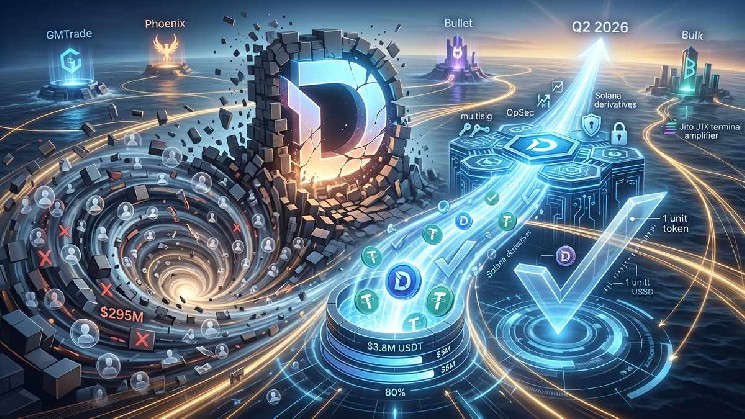
In the wake of one of the most significant exploits in decentralized finance history, the Drift protocol has unveiled a carefully structured plan to compensate users who lost funds during the devastating hack. At the heart of this recovery effort lies a simple yet transparent mechanism: affected users will receive recovery tokens at a straightforward one-to-one ratio. For every dollar of verified loss, users will be issued one recovery token. This approach ensures fairness and clarity in a situation where trust has been severely tested. The recovery fund, which currently holds $3.8 million in USDT, represents the foundation of this ambitious restoration effort. However, the team has set a critical threshold of $5 million before redemptions can begin, ensuring the fund has sufficient stability before users can start reclaiming their losses. What makes this recovery plan particularly noteworthy is Tether’s substantial commitment to the cause, with the stablecoin giant pledging to match capital deployments of up to an impressive $127 million. This backing from one of the cryptocurrency industry’s most established players provides both financial muscle and a vote of confidence in Drift’s recovery strategy, potentially accelerating the timeline for making affected users whole again.
The Technical Blueprint for Rebuilding Trust
Three weeks after Tether first announced its support for the beleaguered protocol, Drift has finally pulled back the curtain on the technical mechanisms that will power its redemption token system. The announcement, made on May 5th, provides affected users with their first concrete look at how the recovery process will actually work. According to the official timeline released by the team, they’re targeting a return to full operations during the second quarter of 2026—more than a year away from the current date. This extended timeline reflects both the magnitude of the $295 million loss and the complexity of rebuilding a secure, trustworthy platform from the ground up. The recovery strategy centers on a proportional distribution system that will allocate recovery tokens to affected wallets based on their verified losses. These tokens aren’t just symbolic gestures—they represent actual ownership stakes in a recovery pool that will grow over time. The funding sources for this pool come from two primary channels: a significant portion of the protocol’s revenue once it resumes operations, and contributions from strategic partners who have a vested interest in seeing Drift return to health. This dual-funding approach aims to accelerate recovery while also aligning the protocol’s future success directly with its obligation to make users whole.
Community Reaction Reflects Deeper Concerns
While the announcement of a concrete recovery plan might seem like unequivocally good news, the reception within the Solana ecosystem has been decidedly mixed, revealing deeper tensions about how the exploit was handled. At the center of community frustration is the forced closure of open positions during the exploit itself. When the security breach occurred, many traders had their positions automatically closed, forcing them to realize losses at what turned out to be unfavorable market prices. This decision, while potentially necessary from a security standpoint, has left a bitter taste for many users who believe their positions might have recovered value if they had been allowed to remain open in the months following the incident. The cryptocurrency markets are notoriously volatile, and positions that showed significant losses during the exploit could theoretically have rebounded substantially in the intervening weeks and months. Adding to community concerns is the realistic assessment that full recovery of capital could take several years to achieve. The timeline for individual users to be made completely whole depends heavily on the volume of revenue that Drift’s new version can generate once it relaunches. This creates an uncomfortable uncertainty—users who lost funds have no guarantee of when, or even if, they’ll receive full compensation, as it depends entirely on the protocol’s future success in a highly competitive market.
Operational Overhaul and Strategic Repositioning
The new Drift that eventually emerges will look significantly different from the protocol that existed before the exploit, with changes extending far beyond just improved security measures. Perhaps most significantly, the platform has made the difficult decision to discontinue its “Earn” product entirely. This wasn’t a minor feature—the Earn product had served as a yield-generating engine for approximately twenty different decentralized finance applications operating on the Solana network. Its discontinuation represents a major strategic shift toward simplification and risk reduction. The decision reflects a broader philosophy of returning to core competencies and reducing the complexity that may have contributed to security vulnerabilities. External projects that had integrated with Drift’s Earn product, such as Carrot, now face continuity challenges as they must find alternative solutions. On the security front, Drift is implementing fundamental changes to its operational infrastructure. The new deployment will feature a community-based multi-signature setup, distributing control among multiple parties rather than concentrating it in fewer hands. Additionally, the team has committed to a complete overhaul of its cryptographic keys and operational security practices—essentially rebuilding the security foundation from scratch with the benefit of hard-learned lessons from the exploit.
Navigating an Increasingly Competitive Landscape
Drift’s recovery efforts are unfolding against a backdrop of intense competition in the Solana perpetual contracts sector, where rivals haven’t been sitting idle during the protocol’s downtime. According to data from DeFiLlama, a leading analytics platform for decentralized finance, GMTrade has emerged as the current sector leader in both open interest and monthly trading volume. This represents a significant shift in market share that Drift will need to recapture when it relaunches. The competitive pressure doesn’t stop there—several other protocols are positioning themselves to capture Drift’s former market position. Phoenix and Bullet are both advancing through private beta testing phases, refining their offerings before public launches. Meanwhile, Bulk, which successfully raised $8 million in funding in September 2025, is projecting an imminent launch on the Solana mainnet. Each of these competitors represents a potential obstacle to Drift’s recovery, as they’re building user bases and establishing market presence during Drift’s absence. The longer Drift remains offline, the more entrenched these competitors become. This competitive dynamic adds urgency to Drift’s recovery timeline while simultaneously making the path forward more challenging. Users who were forced to move to alternative platforms during the downtime may have established new trading patterns and preferences that will be difficult to disrupt, even with a successfully relaunched product.
The Road Ahead and Market Implications
Drift’s recovery success now hinges on achieving specific, measurable milestones that will signal progress to both users and the broader market. The most immediate target is reaching $5 million in Total Value Locked within the recovery pool—only $1.2 million more than the current $3.8 million balance. Once this threshold is crossed, the first redemptions will be enabled for recovery token holders, providing the first tangible returns to affected users and demonstrating that the recovery mechanism actually works as promised. Beyond this initial milestone, the protocol’s long-term success depends on its ability to recapture market share in the competitive Solana derivatives landscape. The integration of tools like Jito’s JTX terminal is expected to provide additional liquidity to the sector during the current quarter, potentially benefiting Drift once it relaunches. However, the fundamental challenge remains: can Drift rebuild user trust sufficiently to generate the revenue needed to fully compensate affected users while also competing effectively against protocols that didn’t experience similar security breaches? The answers to these questions will unfold over the coming months and years, making Drift’s recovery effort a case study in crisis management, community relations, and competitive resilience in the fast-moving world of decentralized finance. For affected users, the wait continues, with hope tempered by realism about the long road ahead.