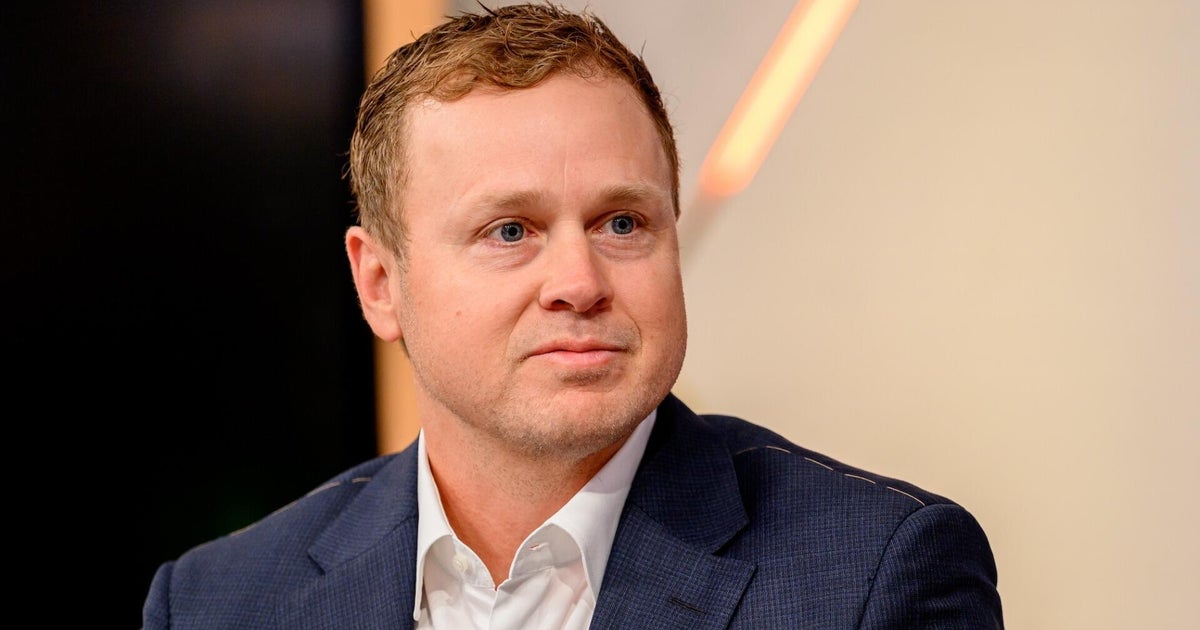

Reality TV Star Spencer Pratt Makes Unlikely Run for Los Angeles Mayor
From Reality Television to Real Politics
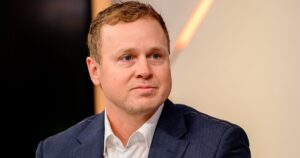
Spencer Pratt, best known for his role as the antagonist on MTV’s hit reality show “The Hills” in the mid-2000s, has embarked on an unexpected political journey that has captured national attention. The Southern California native is now running as a Republican candidate for Mayor of Los Angeles, one of the most significant municipal positions in the United States. In a recent exclusive interview with CBS News correspondent Adam Yamaguchi, Pratt defended his unconventional candidacy and lack of traditional political experience by drawing a bold comparison to former President Barack Obama. When questioned about whether he possesses the necessary qualifications to lead America’s second-largest city, Pratt didn’t hesitate to invoke Obama’s name, pointing out that the former president began his political career as a community organizer before eventually ascending to the highest office in the land. This comparison, while surprising to many, forms the cornerstone of Pratt’s argument that traditional political experience isn’t necessarily a prerequisite for effective leadership.
The Wildfire That Changed Everything
Pratt’s decision to enter the political arena wasn’t motivated by long-held political ambitions or a lifelong dream of public service. Instead, it was born from personal tragedy and frustration with local government response during a crisis. The reality television personality has been open about the fact that his home was completely destroyed in the catastrophic Los Angeles wildfires that ravaged the region last year. These devastating fires, which destroyed thousands of structures and displaced countless families, became a turning point in Pratt’s life and ultimately sparked his decision to seek public office. The wildfires exposed what Pratt and many other Los Angeles residents viewed as significant failures in city preparedness, response, and leadership during one of the most challenging periods in the city’s recent history. For Pratt, watching his home burn while feeling that city leadership was inadequate in its response transformed him from a disengaged observer of local politics into an active participant determined to make a difference.
Challenging the Incumbent Mayor
Pratt faces an uphill battle against incumbent Mayor Karen Bass, who herself has become a lightning rod for criticism regarding her handling of the wildfire crisis. Bass, who was out of the country when the fires first erupted, has faced intense scrutiny from residents, media outlets, and political opponents alike for what many perceived as an inadequate and delayed response to the emergency. This criticism has created an opening for challengers like Pratt, who are positioning themselves as alternatives to the current administration’s approach to crisis management and city leadership. The two candidates faced off in a debate on Wednesday, marking a surreal moment in Los Angeles politics as a seasoned politician stood alongside a reality television star to discuss the future of one of America’s most important cities. The upcoming mayoral race is scheduled for June 2, with the possibility of a runoff election on November 3 if no candidate manages to secure a majority of votes in the initial election. This electoral structure gives unconventional candidates like Pratt a potential pathway to victory, especially in a crowded field where votes might be split among multiple contenders.
An Unlikely Republican in a Blue City
Perhaps the most remarkable aspect of Pratt’s candidacy is his decision to run as a Republican in a city that hasn’t elected a GOP mayor since 2001. Los Angeles is widely regarded as one of the most Democratic-leaning major cities in the United States, making Pratt’s party affiliation seem like a significant liability on paper. However, Pratt appears undeterred by this conventional political wisdom, claiming in his interview that his support base actually consists primarily of Democrats. “All my supporters in Los Angeles are Democrats. Everyone I know, my family, are all Democrats,” Pratt stated confidently. This cross-party appeal, if genuine, could represent a shift in how Los Angeles voters are thinking about local politics, potentially prioritizing practical problem-solving over partisan loyalty. Pratt’s strategy appears to be deliberately distancing himself from national Republican politics and focusing exclusively on local issues that transcend traditional party divisions. By avoiding controversial national political topics and refusing to engage in what he calls “tribal politics,” Pratt is attempting to position himself as a pragmatic problem-solver rather than an ideological warrior.
A Campaign Focused on Basic Services
Central to Pratt’s political message is a laser-like focus on fundamental city services that affect residents’ daily lives. Rather than proposing sweeping policy reforms or engaging with complex ideological debates, Pratt has built his campaign around addressing what he perceives as the city’s most pressing practical problems. “I don’t do a political message,” he explained. “I don’t do national politics. I don’t do tribal politics. I don’t talk about other states. I’m localized. I just want to fix our streets, get the lights on. I want people to feel safe.” This back-to-basics approach resonates with a frustrated electorate that has grown weary of politicians who seem more interested in national political fights than in ensuring streetlights work and roads are maintained. Pratt’s emphasis on public safety, infrastructure maintenance, and basic quality-of-life issues represents a calculated political strategy designed to appeal to voters across the political spectrum who simply want their city to function efficiently. By framing his candidacy around these universally relatable concerns rather than partisan talking points, Pratt is attempting to build a coalition that transcends traditional political boundaries. This approach, if successful, could provide a blueprint for other unconventional candidates seeking office in traditionally hostile political environments.
Confidence Despite the Odds
Despite the seemingly insurmountable challenges facing his campaign—including his lack of political experience, his party affiliation in a strongly Democratic city, and his background in reality television rather than public service—Pratt exudes remarkable confidence about his electoral prospects. In his interview with CBS News, he boldly predicted victory in the initial June 2 election with 51% of the vote, which would eliminate the need for a runoff election. “I’m confident I’m probably going to win with 51% on June 2,” Pratt declared, attributing his optimism to his non-partisan approach and focus on local issues. Whether this confidence is justified or represents the kind of self-assurance that made him a compelling reality television personality remains to be seen. What is clear, however, is that Pratt’s candidacy represents something larger than just one person’s political ambitions—it reflects a broader frustration with traditional political leadership and a willingness among some voters to consider dramatically different alternatives. His comparison of himself to Barack Obama, while undoubtedly provocative and likely to generate criticism from political observers, speaks to a belief that American politics has room for unconventional candidates who can connect with voters in non-traditional ways. As the June election approaches, all eyes will be on Los Angeles to see whether a reality television star can translate his celebrity status and outsider appeal into actual political success, or whether his campaign will ultimately be remembered as an interesting footnote in the city’s political history.