



Federal Judge Strikes Down Trump Administration’s Mass Elimination of Humanities Grants
A Ruling That Protects Scholarly Freedom and Constitutional Rights
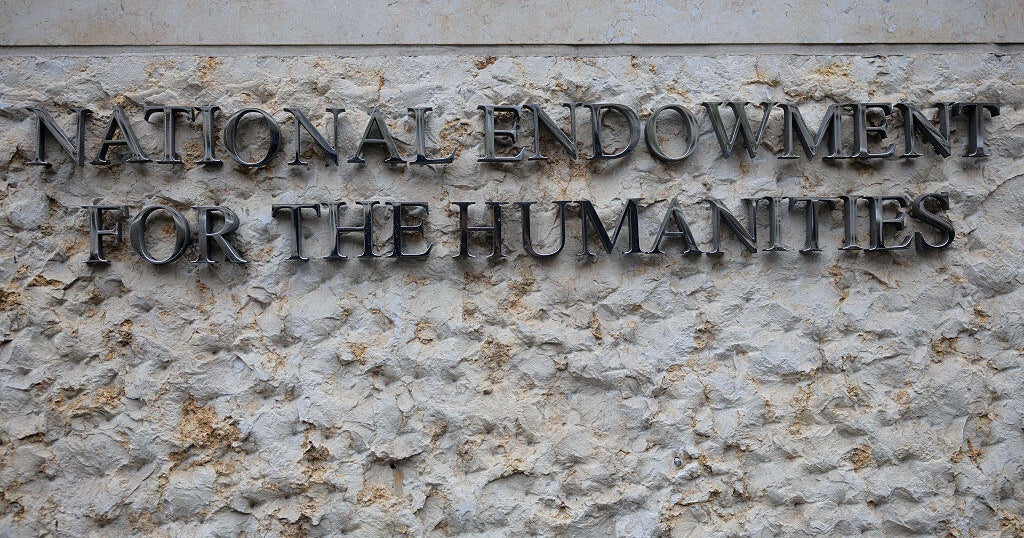
In a sweeping decision that sent ripples through the academic and literary communities, a federal judge declared on Thursday that the Trump administration’s wholesale cancellation of humanities grants was both illegal and unconstitutional. The ruling represents a significant check on executive power and reaffirms the importance of protecting scholarly work from political interference. U.S. District Judge Colleen McMahon delivered a comprehensive 143-page opinion that didn’t mince words about the administration’s overreach, finding multiple constitutional violations in the government’s actions. The decision affects thousands of grants that had already received congressional approval through the National Endowment for the Humanities, one of the nation’s most important sources of funding for academic research, historical preservation, and cultural projects that help Americans understand their past and present.
The controversy began in April 2025, when the Department of Government and Efficiency—better known by its acronym DOGE—made the dramatic decision to terminate thousands of grants that Congress had previously approved and allocated through the National Endowment for the Humanities. Among the organizations suddenly stripped of their funding were some of the most respected scholarly institutions in America: the American Council of Learned Societies, the American Historical Association, and the Modern Language Association of America. These organizations represent thousands of scholars, researchers, historians, and educators across the country who depend on federal grants to conduct research, preserve historical documents, support translation projects, and make humanities education accessible to diverse communities. The grant terminations weren’t targeted at specific problematic projects or based on any allegations of misuse of funds—they represented a blanket cancellation that threatened to upend years of scholarly work already in progress and leave researchers scrambling to find alternative funding sources that, in many cases, simply don’t exist at the federal grant level.
Scholars Fight Back Against Executive Overreach
Faced with this unprecedented assault on humanities funding, the affected organizations didn’t accept the decision quietly. In May 2025, just weeks after the grant terminations were announced, the three major scholarly groups filed a federal lawsuit seeking to reverse the administration’s actions. Their legal argument was straightforward but powerful: the executive branch of government simply doesn’t have the constitutional authority to unilaterally block, modify, undermine, or delay spending that Congress has already appropriated. The scholars’ lawsuit described the dismantling of National Endowment for the Humanities funding as “unlawful many times over,” emphasizing that the Constitution gives Congress—not the president—the power of the purse. When Congress approves funding for specific purposes and the president signs that legislation into law, the executive branch has a constitutional duty to carry out that spending as Congress directed. The lawsuit argued that allowing a president to simply cancel congressionally approved spending based on personal policy preferences would fundamentally undermine the separation of powers that forms the foundation of American democracy. The case was eventually consolidated with another lawsuit from The Authors Guild, whose members had also received grant funding that was abruptly terminated, broadening the coalition of affected parties and strengthening the case against the administration’s actions.
A Scathing Judicial Rebuke of Government Efficiency Gone Wrong
Judge McMahon’s ruling pulled no punches in its assessment of what the administration had done. She found that the grant terminations violated the First Amendment, which protects freedom of speech and expression—a finding that suggests the government was improperly discriminating against certain viewpoints or types of scholarly work. The decision also found violations of the equal protection component of the Fifth Amendment, indicating that the administration had treated similarly situated grant recipients differently without proper justification. Beyond these constitutional violations, the judge determined that DOGE officials simply lacked the statutory authority to carry out these grant terminations in the first place—in other words, no law gave them the power to do what they did. As a result of these findings, Judge McMahon prohibited the administration from enforcing the grant terminations, meaning the funding should be restored to the affected organizations and their scholars.
Perhaps most damning were the details that emerged about how these consequential decisions were actually made. The judge’s opinion revealed that DOGE staff members acknowledged they didn’t examine individual grant applications or review any of the underlying materials that explained what each grant was intended to accomplish before flagging them for termination. Instead of careful review by subject matter experts who understood the value and purpose of humanities research, the process was shockingly superficial. Even more troubling, the DOGE staff used ChatGPT—an artificial intelligence chatbot—to help generate rationales for why grants should be terminated, specifically targeting projects that could be framed as related to diversity, equity, and inclusion initiatives. This revelation suggests that rather than identifying genuinely problematic grants based on merit or proper use of funds, the termination process was designed to target grants based on political considerations, using AI to manufacture justifications after the fact. Judge McMahon noted with apparent dismay that the DOGE staff members tasked with leading this effort were in their twenties and “did not have much experience in anything at all—certainly not in anything remotely related to the humanities.” This wasn’t a careful policy review by seasoned experts in arts funding or humanities scholarship—it was an ideologically driven purge carried out by inexperienced staff using artificial intelligence to justify predetermined conclusions.
Why This Decision Matters for Democracy and Scholarship
This ruling represents far more than a victory for a few scholarly organizations—it’s a crucial defense of constitutional governance and the integrity of the appropriations process. When Congress approves funding for federal programs and the president signs that spending into law, Americans should be able to trust that the money will be used as intended, not diverted or cancelled based on the political winds of the moment. If presidents could simply refuse to spend money on programs they personally dislike, even after Congress has appropriated those funds and the president has signed the legislation, it would render the legislative branch’s power of the purse meaningless. This principle matters whether you’re conservative or liberal, whether you support or oppose any particular president, because it protects the fundamental structure of American government. Today it might be humanities grants; tomorrow it could be agricultural subsidies, veterans’ benefits, or infrastructure projects—any spending could become vulnerable to arbitrary presidential cancellation if this principle isn’t vigorously defended.
For the scholarly community, the ruling provides essential protection for academic freedom and the integrity of the peer-review grant process. Federal humanities grants aren’t simply handed out based on political favoritism—they go through rigorous peer review by subject matter experts who evaluate proposals based on scholarly merit, feasibility, and potential impact. When politicians or political appointees override these expert judgments based on ideological considerations rather than academic merit, it undermines the entire system and creates a chilling effect where scholars may avoid important but potentially controversial topics for fear of losing funding. The use of artificial intelligence to generate politically motivated rationales for canceling grants is particularly troubling because it suggests a systematic effort to disguise political targeting as policy review. Historians studying contentious periods of American history, linguists working on minority language preservation, scholars examining social movements—all could find their work vulnerable to political interference if this kind of grant cancellation were allowed to stand.
Looking Forward: The Broader Implications and What Comes Next
While Judge McMahon’s ruling is definitive, it’s unlikely to be the final word on this controversy. The Trump administration will almost certainly appeal the decision to a higher court, potentially all the way to the Supreme Court if necessary. The appeals process could take months or even years, creating continued uncertainty for grant recipients and the broader scholarly community. However, the judge’s injunction prohibiting enforcement of the grant terminations should mean that funding is restored in the meantime, allowing research projects to continue while the legal battle plays out. The comprehensiveness of Judge McMahon’s opinion—143 pages addressing multiple constitutional and statutory grounds—suggests she anticipated appeals and built a robust legal record to support her conclusions.
Beyond this specific case, the controversy raises important questions about the future of federal support for humanities scholarship and the arts. The National Endowment for the Humanities has long been a target for some conservatives who question whether taxpayers should fund academic research, particularly in fields they view as politically biased. However, supporters argue that federal humanities funding supports work that wouldn’t otherwise be done but that has immense public value—preserving historical documents, supporting public history projects, funding scholarly editions of important texts, and making cultural resources accessible to underserved communities. The relatively modest federal investment in humanities research yields significant returns in terms of cultural preservation, public education, and the kind of critical thinking skills that humanities education fosters. This case may ultimately force a broader national conversation about these values and whether Americans want to maintain federal support for scholarly work that helps us understand who we are, where we’ve come from, and how we can build a better future together. For now, at least, the courts have said clearly that such decisions belong to Congress and the democratic process, not to political appointees wielding arbitrary power and artificial intelligence to defund work they personally dislike.