


Major Cyberattack Disrupts Thousands of Schools and Universities Across America
Widespread Educational Chaos as Canvas Learning Platform Goes Dark
In what has become one of the most disruptive cyberattacks targeting the education sector, thousands of schools and universities found themselves suddenly cut off from their primary learning management system on Thursday. The timing couldn’t have been worse – students across the nation were deep into finals preparation when Canvas, the widely-used educational platform managed by Instructure, went completely offline following a significant security breach. This incident has thrown into sharp relief just how dependent modern education has become on digital technology, and how vulnerable these systems can be to determined hackers. The hacking group known as ShinyHunters has claimed responsibility for the attack, according to cybersecurity experts who have been monitoring the situation closely. Luke Connolly, a threat analyst working with the cybersecurity firm Emisoft, confirmed the group’s involvement and has been tracking their activities related to this breach. The impact has been felt from coast to coast, with some of America’s most prestigious institutions scrambling to find workarounds for their suddenly inaccessible educational infrastructure.
Major Universities and School Districts Brought to Their Knees
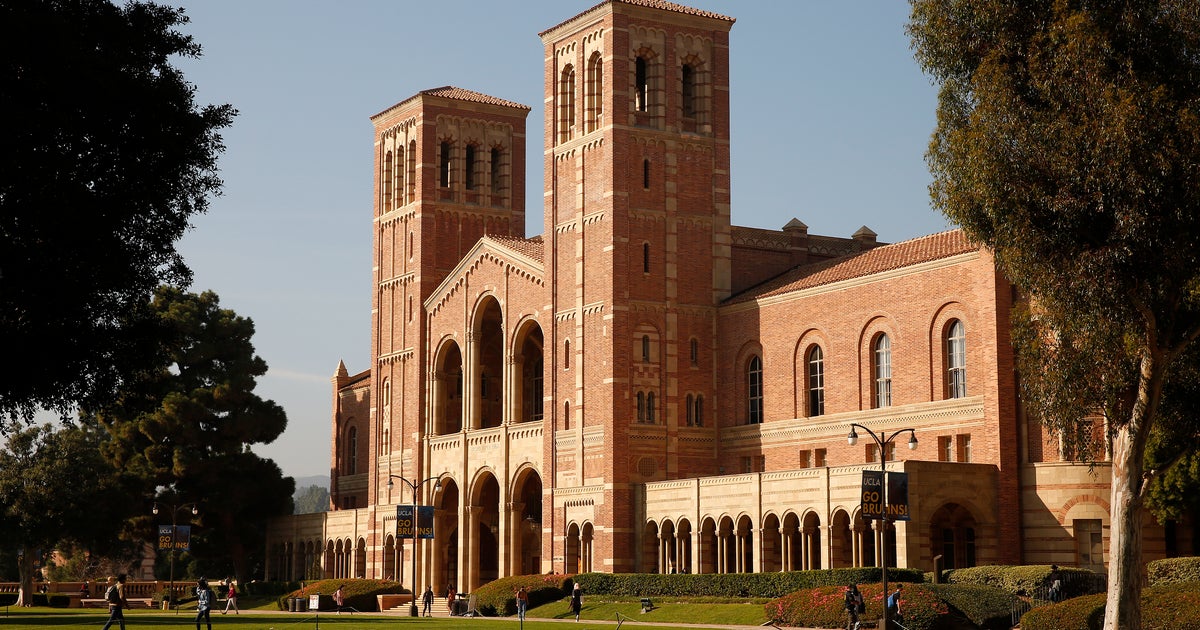
The list of affected institutions reads like a who’s who of American higher education. Penn State University, the University of Wisconsin-Madison, Columbia University, and Union College New Jersey have all reported being targeted in this massive attack. On the West Coast, UCLA led a group of California schools dealing with the fallout from the outage, while the Chicago metropolitan area saw particularly widespread disruption. Northwestern University, the University of Chicago, the University of Illinois Chicago, and the University of Illinois all found their systems compromised, leaving thousands of students and faculty members without access to crucial academic resources. Even Harvard, one of the world’s most prestigious universities, wasn’t spared, with the student newspaper confirming that their Canvas system had gone dark as well. Penn State issued a sobering message to its student body, making it clear that “no one has access” to Canvas and warning that they didn’t expect a “resolution” to come “within the next 24 hours.” The practical consequences were immediate and severe – the university announced the cancellation of all tests that had been scheduled for Thursday and Friday at its Pollock Testing Center, leaving students who had been preparing for these crucial exams in limbo.
The Scope of Stolen Data and Ransom Demands
What makes this attack particularly concerning isn’t just the disruption it has caused, but the staggering amount of sensitive data that appears to have been compromised. Canvas serves as the digital backbone for modern education, managing everything from grades and course notes to assignments, lecture videos, and countless other academic resources. According to the hacking group’s own claims posted online, nearly 9,000 schools worldwide have been affected by this breach. Even more alarming is their assertion that they’ve accessed billions of private messages and other confidential records belonging to students, faculty, and staff members across these institutions. Cybersecurity analyst Luke Connolly has been examining screenshots that reveal the hackers began making threats on Sunday, warning that they would leak the massive trove of stolen data if their demands weren’t met. The group set two distinct deadlines – Thursday and May 12 – which Connolly interprets as a strong indication that negotiations regarding extortion payments may currently be underway behind the scenes. This calculated approach suggests a sophisticated criminal operation that understands both the value of the data they’ve stolen and the pressure they can exert on educational institutions desperate to protect their students’ and employees’ personal information.
Public Schools Affected and Parent Concerns
The impact of this cyberattack extends far beyond universities and colleges – public school districts serving younger students have also found themselves caught in this digital dragnet. Officials in various districts have been working to reassure worried parents about the situation, though the messages have been mixed. In Spokane, Washington, public school administrators took the unusual step of proactively communicating with parents, stating that they weren’t “aware of any sensitive data contained in this breach.” However, this kind of reassurance may ring hollow for parents who understand that learning management systems typically contain a wealth of personal information about their children, including academic records, behavioral notes, health information, and family contact details. The reality is that distinguishing between what data has been accessed and what remains secure in the immediate aftermath of such a massive breach is extremely difficult. The fact that K-12 schools use the same platform as major universities means that children’s data may be sitting in the same compromised databases as college students’ information, a particularly troubling thought for parents who worry about their children’s digital footprints and privacy.
Why Schools Have Become Prime Targets for Cybercriminals
The targeting of educational institutions by sophisticated hacking groups isn’t a new phenomenon, but it has been accelerating at an alarming rate. Schools and universities have become treasure troves of digitized data, holding sensitive information about millions of students, faculty members, and staff. This transformation from paper records kept in locked filing cabinets to comprehensive digital databases has happened remarkably quickly, and security measures have often struggled to keep pace. Cybercriminals operating from locations around the world have become increasingly adept at identifying vulnerabilities in educational technology systems and exploiting them for profit. Past attacks have successfully breached major school systems including Minneapolis Public Schools and the Los Angeles Unified School District, demonstrating that no institution is too large or too well-funded to be considered safe from these threats. What makes educational institutions particularly attractive targets is the combination of valuable data, often limited cybersecurity resources compared to private corporations, and the critical nature of the services they provide – factors that make schools more likely to pay ransoms to restore operations quickly and prevent data leaks.
The ShinyHunters Group and Ongoing Investigations
Interestingly, Instructure itself has maintained an unusual silence about the attack, with no posts on their social media channels addressing the breach or providing updates to the thousands of affected institutions desperately seeking information. Meanwhile, cybersecurity experts have been working to understand more about the perpetrators and their methods. Luke Connolly has noted striking similarities between this Canvas attack and a previous breach at PowerSchool, another company that provides learning management tools to schools. That earlier incident resulted in criminal charges against a Massachusetts college student, demonstrating that sometimes these sophisticated-seeming attacks are carried out by individuals operating from their dorm rooms or family homes. According to Connolly’s analysis, ShinyHunters isn’t a tightly organized criminal syndicate but rather a loose affiliation of teenagers and young adults primarily based in the United States and the United Kingdom. Despite their apparently casual structure, the group has established a track record of successful high-profile attacks, including one targeting Live Nation’s Ticketmaster subsidiary. This pattern suggests that age and formal organization are no longer prerequisites for carrying out devastating cyberattacks against major institutions. As students continue to struggle without access to their course materials during the critical final exam period, and as administrators work frantically to restore systems and assess the damage, this incident serves as a stark reminder of the vulnerabilities inherent in our increasingly digitized educational infrastructure and the urgent need for stronger cybersecurity measures across the entire education sector.