


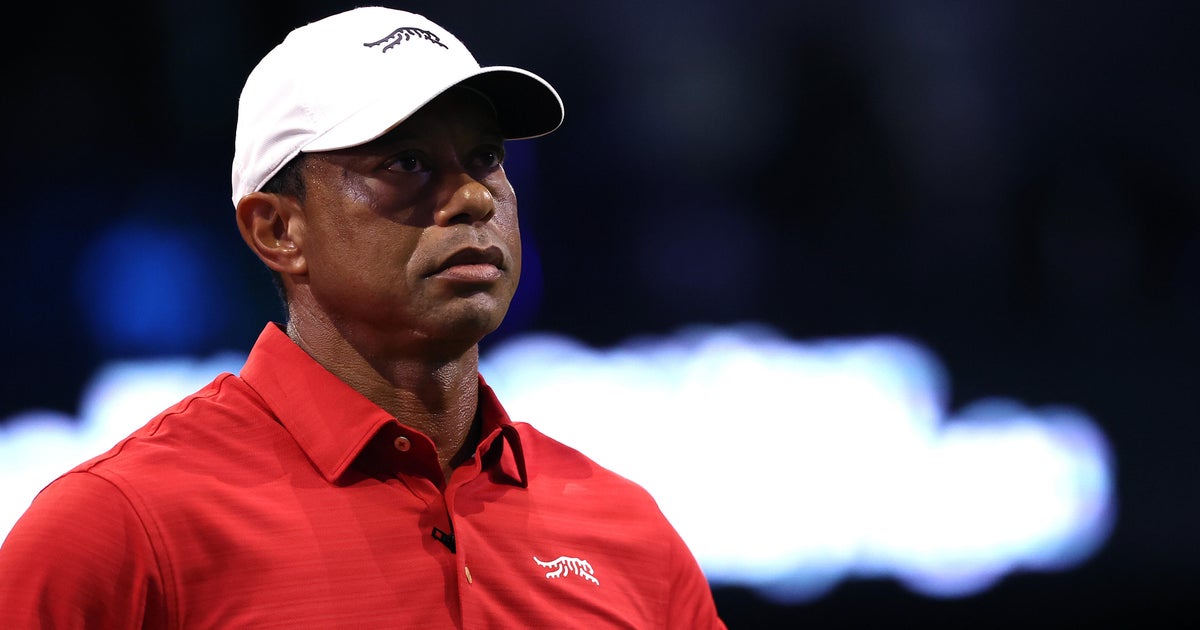

Tiger Woods Steps Back: A Champion’s Journey Through Another Difficult Chapter
Facing the Consequences and Seeking Help
Tiger Woods, one of golf’s most iconic figures, made a sobering announcement this week that sent ripples through the sports world. The 50-year-old athlete revealed he would be stepping away from professional golf to seek treatment following a Friday morning incident that resulted in his arrest on DUI charges in Jupiter, Florida. In a heartfelt statement shared on Instagram, Woods didn’t shy away from the gravity of his situation. “I know and understand the seriousness of the situation I find myself in today,” he wrote, demonstrating a level of self-awareness that many found encouraging. His decision to publicly acknowledge his need for help and prioritize his well-being over his career speaks volumes about where he is in his personal journey. Woods emphasized that this break is “necessary in order for me to prioritize my well-being and work toward lasting recovery,” words that resonated with fans who have watched him struggle with various personal and physical challenges over the years. He concluded his statement by requesting privacy for himself and his loved ones during this difficult time, while expressing gratitude for the support and understanding of his fans.
The Details of Friday’s Incident
The events that led to Woods’ arrest paint a troubling picture of distraction and impairment. According to authorities in Jupiter, Florida, Woods was behind the wheel of his Land Rover when it was involved in a rollover crash. When deputies arrived at the scene, they observed concerning signs that Woods might be impaired. He struggled to answer questions coherently and had difficulty performing the standard field sobriety tests that officers administered. Interestingly, when Woods submitted to a Breathalyzer test, he registered “triple zeroes,” indicating no alcohol in his system. However, he declined to take a urine test, which might have revealed other substances. According to the arrest report, Woods admitted to officers that while he hadn’t consumed any alcohol that day, he had taken “a few” prescription medications. A search of his person revealed two pills in his pants pocket, which were later identified as hydrocodone, a powerful painkiller. Woods’ explanation of how the crash occurred was equally concerning—he told officers he had been looking down at his cellphone and adjusting his radio when a pickup truck ahead of him, towing a trailer, began slowing down to turn into a driveway. By the time Woods looked up, it was too late to react properly, causing him to swerve into the middle of the road, ultimately leading to the rollover.
Legal Proceedings and What Comes Next
On Tuesday, Woods formally entered a not guilty plea to the charges, which include driving under the influence. Through his attorney, Douglas Duncan, Woods waived his right to arraignment and will not be required to appear at pretrial hearings, a common practice for defendants represented by counsel in such cases. The waiver filed with the court made clear that Woods is demanding a jury trial, suggesting that his legal team intends to mount a vigorous defense against the charges. This legal strategy indicates that the case may be headed for a protracted court battle, where the specifics of Woods’ medication use, his physical and mental state at the time of the crash, and the circumstances leading to the accident will all be scrutinized in detail. The timing of these legal troubles couldn’t be worse for Woods professionally. His announcement came just days before the Masters, one of golf’s most prestigious tournaments, was set to begin on April 9 at Augusta National in Georgia. Prior to his arrest, there had been uncertainty about whether Woods would compete in the tournament, given his recent health struggles. Just weeks before the incident, on March 24, Woods had participated in a match at the SoFi Center in Palm Beach Gardens, Florida, showing that he was still actively engaged in the sport, making his sudden absence all the more jarring for fans and fellow competitors alike.
A Pattern of Struggles: Woods’ Previous Incidents
For those who have followed Tiger Woods’ career, this latest incident feels disturbingly familiar. This isn’t the first time the golfing legend has faced legal troubles related to impaired driving. In 2017, Woods was arrested on a DUI charge after Florida police discovered him asleep behind the wheel of his vehicle. At that time, Woods later explained that he had taken a bad combination of painkillers, which had left him incapacitated. That incident served as a wake-up call for many fans about the extent of Woods’ struggles with pain management following numerous surgeries and injuries throughout his career. Then, in 2021, Woods survived a serious rollover crash in Los Angeles that left him with severe injuries. Authorities determined that crash was caused by Woods “driving at a speed unsafe for the road conditions and the inability to negotiate the curve of the roadway.” The injuries from that accident were so severe that many wondered if Woods would ever walk normally again, let alone return to competitive golf. His recovery from that crash was remarkable, showcasing the same determination and mental toughness that made him a champion on the course. However, the physical toll has continued to mount. In September 2025, Woods underwent his seventh back surgery, and earlier that same year, in March, he ruptured his Achilles tendon. These repeated injuries and the subsequent surgeries have created a challenging cycle of pain management that appears to have contributed to his current situation.
The Toll of Physical Pain and Prescription Medications
Tiger Woods’ story highlights a broader issue facing many professional athletes: the fine line between managing legitimate pain and developing problematic dependencies on medication. Throughout his career, Woods has pushed his body to extraordinary limits, achieving feats that cemented his legacy as one of the greatest golfers of all time with 15 major championships. But that success has come at a tremendous physical cost. Seven back surgeries represent an extraordinary amount of medical intervention for anyone, let alone someone trying to maintain the precise physical conditioning required for professional golf. The rupture of his Achilles tendon added yet another layer of pain and limitation. For athletes in Woods’ position, prescription painkillers like hydrocodone—the medication found in his possession—often become part of daily life, necessary to manage chronic pain and maintain some semblance of normal function. However, these powerful medications carry significant risks. They can impair judgment, slow reaction times, and create cognitive fog, all while the person taking them may not fully recognize how affected they are. Woods’ statement that he took “a few” prescription medications before getting behind the wheel suggests he may have underestimated their impact on his ability to drive safely. The fact that he was looking at his phone and adjusting his radio while driving indicates a level of distraction compounded by whatever impairment the medications caused. This combination of factors creates dangerous driving conditions, as evidenced by the rollover crash.
Hope for Recovery and the Road Ahead
Despite the seriousness of the situation, there are reasons for cautious optimism about Woods’ future. His willingness to publicly acknowledge his need for treatment and to step away from his career to focus on his health demonstrates a level of maturity and self-awareness that bodes well for his recovery. In his statement, Woods spoke of his commitment “to taking the time needed to return in a healthier, stronger, and more focused place, both personally and professionally.” These aren’t just empty words from someone trying to manage public relations—they represent a recognition that lasting change requires sustained effort and honest self-assessment. The treatment Woods seeks will likely address not just potential dependency on pain medications but also the underlying issues of chronic pain management and finding healthier coping mechanisms. For someone of Woods’ stature, stepping away from the sport that has defined his life is no small decision. Golf fans around the world have watched Woods transform the game, breaking records and barriers while dealing with unprecedented levels of scrutiny and pressure. His personal struggles, including a very public divorce and previous incidents related to prescription medication use, have been played out on the world stage. Yet through it all, Woods has repeatedly demonstrated resilience. Whether he returns to competitive golf remains uncertain, and perhaps that shouldn’t be the primary concern right now. What matters most is that Woods gets the help he needs to address his pain management issues, his health concerns, and whatever other challenges he faces. His request for privacy during this time should be respected, allowing him the space to focus on recovery without the constant glare of media attention. For fans who have followed his incredible career, the hope is that Woods emerges from this treatment stronger and healthier, regardless of whether he ever steps onto a golf course competitively again.