


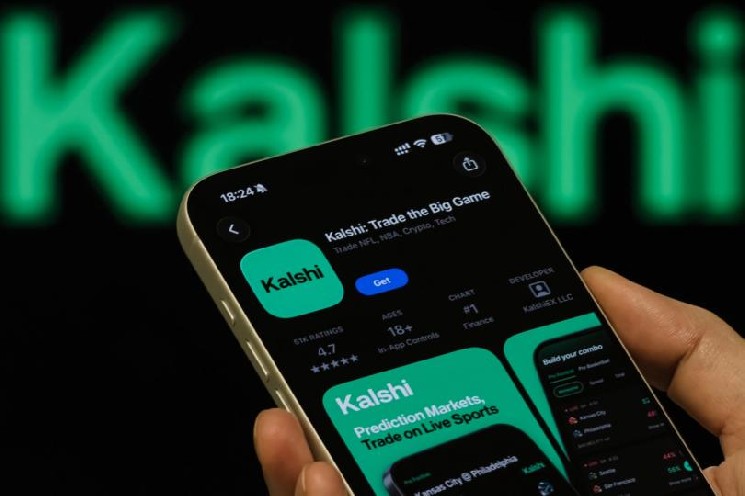

Washington State Takes Legal Action Against Kalshi Over Prediction Market Operations
A Growing Legal Battle Over Prediction Markets
The ongoing debate about whether prediction markets constitute gambling has reached a new milestone, with Washington State filing a lawsuit against Kalshi, a prominent prediction markets platform. This legal action, announced on a Friday, adds Washington to a growing list of states challenging these platforms, claiming they operate as illegal gambling services disguised as financial prediction tools. The core of Washington’s argument centers on the state’s strict gambling regulations, which include a comprehensive ban on online gambling activities. According to state officials, Kalshi’s business model essentially circumvents these carefully crafted protections by rebranding traditional betting as “prediction markets.” The lawsuit represents more than just another regulatory dispute—it signals an escalating conflict between state authorities seeking to protect their gambling frameworks and federal-level advocates who view prediction markets as legitimate financial instruments that should fall under federal oversight rather than state gambling laws.
How Prediction Markets Function and Why States Are Concerned
At the heart of this legal controversy lies a fundamental question: what exactly are prediction markets, and how do they differ from traditional gambling? According to Washington State’s complaint, the distinction that Kalshi attempts to make is largely cosmetic. The press release from the state painted a clear picture of how these platforms operate: “Kalshi’s website and app show consumers a range of events that they can bet on and the odds for those various events, which dictate how much the bettor will be paid out if the event occurs.” State officials argue this mechanism is functionally identical to how sportsbooks and conventional gambling operations work. The platform’s marketing doesn’t help its case either—Kalshi has advertised its service with phrases like “bet on anything,” which state prosecutors argue demonstrates the true nature of the service. By simply labeling their operations as a “prediction market” rather than “gambling,” Washington alleges that Kalshi is engaging in what amounts to semantic gymnastics to avoid state regulations. The lawsuit specifically claims that Kalshi’s activities satisfy Washington’s legal definitions for multiple gambling-related offenses, including “gambling,” “professional gambling,” and “bookmaking,” among other state provisions. Perhaps most concerning to state officials, the complaint includes allegations that Kalshi’s products could promote gambling addiction and that the company has specifically targeted college students in its marketing efforts—a particularly sensitive issue given the vulnerability of this demographic to developing problematic gambling behaviors.
Kalshi’s Response and the Federal Jurisdiction Question
Kalshi didn’t take Washington’s lawsuit lying down. The company quickly filed to move the case from state to federal court, presenting arguments that reveal the company’s broader legal strategy. According to Kalshi’s filing, the company is already engaged in litigation on these same fundamental issues in other federal courts, making federal jurisdiction more appropriate for this case as well. The company also expressed frustration with Washington’s approach, stating it received “no warning or dialogue” from the state before the lawsuit was filed—suggesting that state officials moved directly to legal action without attempting any preliminary discussions or negotiations. This response highlights a key aspect of the prediction markets defense: these companies and their supporters, including notably Commodity Futures Trading Commission Chair Mike Selig, maintain that prediction markets offer derivatives contracts that are properly regulated at the federal level. From this perspective, states are overstepping their authority by attempting to apply gambling laws to what are essentially financial instruments. The tension between federal and state authority in this area creates a complex legal landscape, and legal experts who spoke with CoinDesk have suggested that this fundamental conflict will likely require resolution by the United States Supreme Court. The question of whether prediction markets should be treated as gambling subject to state regulation or as financial derivatives under federal oversight has implications far beyond any single company or state.
Nevada’s Aggressive Enforcement Actions
Washington’s lawsuit arrived in the context of increasingly aggressive enforcement actions by Nevada, a state with perhaps the most sophisticated gambling regulatory framework in the nation. Just one week before Washington filed its complaint, Nevada secured a significant appellate court victory that allowed the state to obtain a temporary restraining order against Kalshi. This order forced the company to remove its sports, entertainment, and election contracts from availability to Nevada residents for a minimum two-week period. At the end of that initial period, on Friday, April 3, a state judge was scheduled to hold a hearing to determine whether the restriction should be extended beyond the initial timeframe. However, enforcement of these orders appears to face practical challenges—the trade publication Gambling Insider reported that Kalshi’s Nevada users were still able to access and use the platform even after the temporary restraining order supposedly went into effect, raising questions about how effectively these geographic restrictions can be implemented for online services.
Nevada’s enforcement efforts have extended beyond Kalshi to other major players in the prediction markets space. The state also obtained a preliminary injunction against Coinbase, one of the largest cryptocurrency exchanges, requiring the company to continue pausing its prediction market offerings within Nevada. This order, dated Thursday, March 26, followed an initial temporary restraining order that had been issued in early February. In her written order, Nevada District Judge Kristin Luis noted that Coinbase didn’t dispute offering “event-based contracts” related to sporting and other events, including college basketball games, college and professional football games, and elections—all of which meet Nevada’s legal definition of “sports pools.” Judge Luis also noted the business relationship between Coinbase and Kalshi, highlighting how these platforms are interconnected. Like the order against Kalshi, this injunction specifically prohibits Coinbase from offering sports, election, or entertainment contracts to Nevada residents until the broader legal case is resolved. The judge gave Coinbase a 60-day window to implement “technological enhancements” necessary to comply with the order, acknowledging the technical challenges of geofencing online services.
The Broader Implications and Multiple Legal Fronts
The legal battles playing out in Washington and Nevada are just the most visible parts of a much larger conflict that’s developing across multiple states and court systems. Washington’s filing represents what the industry is calling a “growing state backlash” against prediction market providers, with multiple states taking similar positions against these platforms. Both Washington State and Nevada fall within the jurisdiction of the Ninth Circuit Court of Appeals at the federal level, which could lead to some consistency in how these cases are initially handled in the federal system. However, with similar cases likely emerging in other circuits across the country, the stage is being set for potential circuit splits—situations where different federal appeals courts reach contradictory conclusions on the same legal questions—which historically have been among the most common reasons the Supreme Court grants review of cases. The stakes are enormous for all parties involved: for prediction market companies, these lawsuits threaten their basic business model and ability to operate in major markets; for states, the question is whether they retain authority to regulate gambling within their borders or whether that authority has been effectively preempted by federal financial regulations; and for consumers, the outcome will determine what types of services they can legally access and what protections they’ll have when using them.
Looking Ahead: A Supreme Court Showdown?
As these legal challenges multiply and evolve, legal experts increasingly believe that the United States Supreme Court will eventually need to weigh in on the fundamental question at the heart of these disputes: are prediction markets a form of gambling subject to state regulation, or are they financial derivatives properly overseen by federal authorities? Both sides have secured some initial victories in various courts, suggesting that the legal questions are genuinely complex rather than one-sided. Prediction market providers can point to their regulatory approval from the CFTC and argue that federal law preempts state gambling regulations in this area. States, meanwhile, can point to the obvious similarities between prediction market contracts and traditional bets, arguing that calling something by a different name doesn’t change its fundamental nature. The resolution of this conflict will have far-reaching implications not just for prediction markets, but potentially for the broader relationship between state and federal regulatory authority in an increasingly digital economy where services can easily cross state lines. For now, companies like Kalshi and Coinbase find themselves fighting on multiple fronts, defending their business model in court after court while trying to navigate a patchwork of conflicting state requirements. Meanwhile, users in states like Washington and Nevada are being cut off from these services, creating a fragmented national market. Until higher courts, and potentially the Supreme Court, provide definitive guidance, this regulatory uncertainty is likely to persist, leaving both companies and consumers in a state of legal limbo.