



Virginia Governor Delivers Powerful Democratic Response to Trump’s State of the Union
A Historic Voice Challenges the President’s Narrative
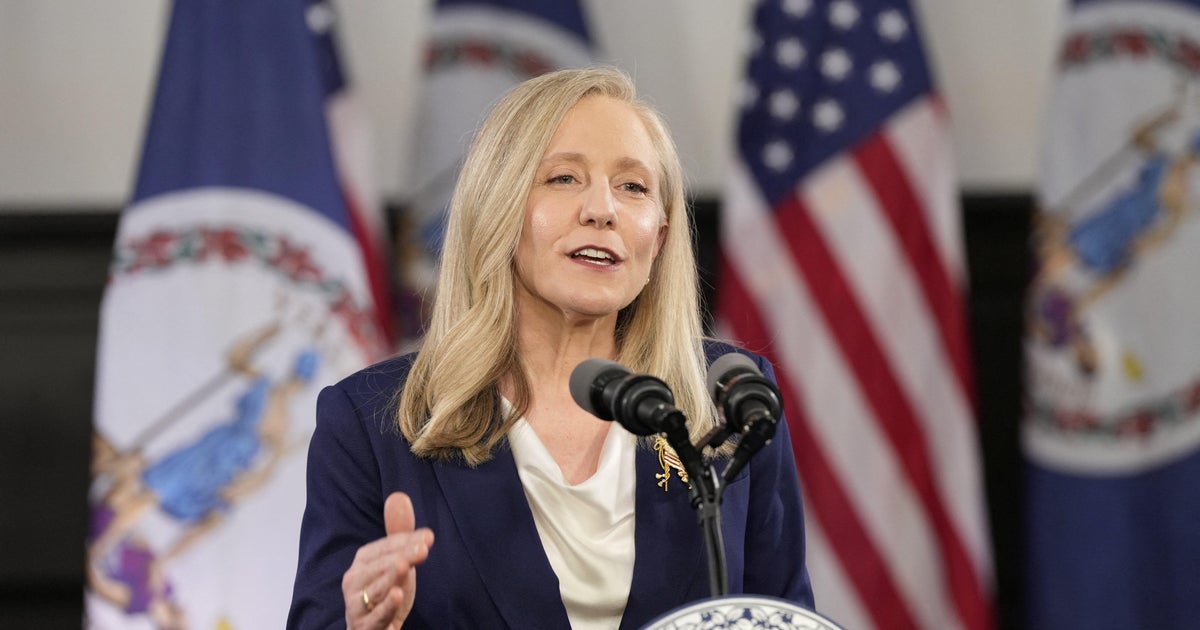
Virginia Governor Abigail Spanberger stepped into the national spotlight Tuesday night to deliver the Democratic Party’s official response to President Trump’s State of the Union address, speaking from the historic chambers of the House of Burgesses in Colonial Williamsburg. As the first woman ever elected to lead Virginia, Spanberger brought both symbolic weight and political credibility to her rebuttal, representing what Democrats hope signals a resurgence for their party following difficult electoral losses in 2024. Her selection to deliver this high-profile response reflects the Democratic Party’s strategy of elevating rising stars who can connect with voters on kitchen-table economic issues while presenting a sharp contrast to President Trump’s leadership style and policy agenda.
Spanberger’s background makes her particularly well-suited for this moment. Before entering politics, she served as a CIA officer, bringing national security credentials that complement her more recent experience as a congresswoman and now governor. Her November victory in Virginia provided Democrats with one of their first significant electoral wins since the 2024 elections, offering the party a much-needed boost and a potential blueprint for future campaigns. House Minority Leader Hakeem Jeffries praised Spanberger when announcing she would deliver the response, saying she “embodies the best of America as a mother, community leader and dedicated public servant” and “stands in stark contrast to Donald Trump.” The choice of Colonial Williamsburg as the setting for her address was deliberate and meaningful, connecting her message to America’s founding principles as the nation prepares to celebrate its 250th anniversary this summer.
Focusing on What Matters Most: Affordability and Economic Anxiety
The central theme of Governor Spanberger’s response was affordability—an issue that Democrats have identified as crucial heading into the midterm elections later this year. Drawing from her recent campaign experience across Virginia, Spanberger told viewers she heard “the same pressing concern everywhere—costs are too high.” This message resonated throughout her speech as she positioned Democrats as the party genuinely committed to addressing the economic pressures facing ordinary Americans. She declared that Democrats are “laser-focused on affordability,” directly challenging President Trump’s economic record and the real-world impact of his policies on American families struggling to make ends meet.
Spanberger specifically targeted what she called President Trump’s “reckless trade policies,” particularly his tariffs, which she argued have harmed both American consumers and businesses. This critique strikes at one of the administration’s signature policy approaches, suggesting that rather than protecting American workers as promised, these tariffs have instead increased costs for families already stretched thin by inflation and economic uncertainty. By framing the affordability crisis as a direct consequence of Trump administration policies, Spanberger attempted to flip the script on Republicans who have traditionally positioned themselves as the party of economic prosperity. Her emphasis on this issue reflects polling and focus group data showing that voters across the political spectrum remain deeply concerned about their ability to afford basic necessities, healthcare, housing, and other essential expenses.
Challenging Trump on Immigration and Truth-Telling
Beyond economic issues, Governor Spanberger also confronted President Trump’s immigration enforcement policies, criticizing what she described as the administration sending “poorly trained federal agents into our cities.” This pointed criticism addresses growing concerns among Democrats and civil liberties advocates about aggressive immigration enforcement tactics and their impact on communities nationwide. The comment reflects broader Democratic opposition to what they characterize as chaotic and heavy-handed immigration policies that prioritize enforcement over humanitarian considerations and fail to address the complex underlying issues driving migration.
Perhaps most strikingly, Spanberger directly challenged the president’s honesty, stating bluntly that during the State of the Union address, “we did not hear the truth from our president.” This accusation of dishonesty went beyond typical political disagreement to question the fundamental credibility of Trump’s remarks to Congress and the American people. While presidential opposition responses traditionally criticize policy differences, Spanberger’s direct challenge to Trump’s truthfulness represented a more fundamental indictment of his leadership. She argued that the Trump administration has inflicted “chaos” on the United States, painting a picture of a presidency characterized by disorder, misinformation, and policies that fail to serve the interests of ordinary Americans.
Invoking America’s Founding Principles at a Historic Moment
The setting for Spanberger’s address carried profound symbolic meaning. Speaking from the chambers of Virginia’s House of Burgesses—the colonial-era legislative body that helped lay the groundwork for American democracy—she connected her contemporary political message to the nation’s founding ideals. Spanberger noted that “the people who served here ultimately dreamed of what a new nation, unlike anything the world had ever seen, could be.” This historical framing allowed her to position Democratic opposition to Trump not as mere partisan disagreement but as part of America’s long tradition of challenging authority and demanding accountable government.
“The United States was founded on the idea that ordinary people could reject the unacceptable excesses of poor leadership, band together to demand better of their government and create a nation that would be an example for the world,” Spanberger declared. This powerful invocation of revolutionary principles suggested parallels between colonial Americans’ rejection of British rule and contemporary citizens’ capacity to hold their elected leaders accountable. With the nation preparing to celebrate its 250th anniversary, Spanberger said she could “think of no better place to speak to you as we reflect on the current state of our union.” This timing and setting created a framework that elevated her critique beyond day-to-day political battles to questions about fundamental American values and whether current leadership honors the vision of the nation’s founders.
The Strategic Significance of the Opposition Response
The selection of who delivers the opposition party’s response to the State of the Union has become an important strategic decision in recent years, often highlighting rising political stars that party leaders believe represent their future. Last year, Senator Elissa Slotkin of Michigan, another Democrat with national security credentials, delivered the response to President Trump’s address to a joint session of Congress. The year before, during the final year of President Biden’s presidency, Republican Senator Katie Britt of Alabama delivered the GOP response, representing her party’s effort to showcase younger, diverse voices. These selections signal not just who will speak for a few minutes on one evening, but who party leadership sees as potential national leaders capable of articulating their vision and values to a broad audience.
For Democrats, Spanberger represents several strategic advantages. As a former CIA officer, she brings credibility on national security issues where Democrats sometimes face skepticism from voters. Her successful gubernatorial campaign in Virginia—a competitive swing state—demonstrates an ability to win in politically diverse environments. As the state’s first female governor, she also represents the historic progress and diversity that Democrats seek to champion. House Minority Leader Jeffries’ strong endorsement, describing her as someone who “embodies the best of America,” reflects the party’s confidence that she can effectively communicate their message while presenting a compelling alternative to Trump’s combative style and controversial policies.
Looking Ahead: Democrats’ Path Forward
Governor Spanberger’s response to the State of the Union represents more than just one speech—it offers insights into how Democrats plan to position themselves heading into the crucial midterm elections. By centering her message on affordability and the economic pressures facing families, she addressed the issue that polling consistently shows matters most to voters across partisan lines. Her criticism of Trump’s tariffs and “reckless trade policies” attempts to hold Republicans accountable for policy decisions Democrats argue have made life harder for ordinary Americans. Meanwhile, her challenges to Trump’s immigration enforcement and truthfulness aim to energize the Democratic base and appeal to independent voters concerned about the administration’s approach and credibility.
The symbolic power of delivering her response from Colonial Williamsburg, particularly as America approaches its 250th anniversary, allowed Spanberger to frame the current political moment as part of a longer American story about accountability, democratic values, and the responsibility of citizens to demand better from their government. This historical perspective may resonate with voters weary of constant political conflict and seeking leadership that connects to deeper American ideals. As Democrats look toward the midterms and beyond, Spanberger’s message suggests they will continue emphasizing economic issues, challenging Trump’s record and honesty, and positioning themselves as defenders of democratic norms and institutions. Whether this strategy proves effective will depend on voters’ assessment of both parties’ records and their vision for America’s future as the nation marks a quarter millennium of independence.