



Bitcoin Market Analysis: Understanding the Current Sideways Trading and Future Outlook
The Current State of Bitcoin’s Price Movement
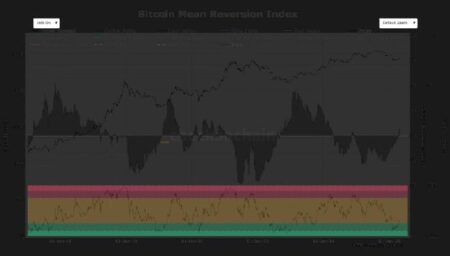
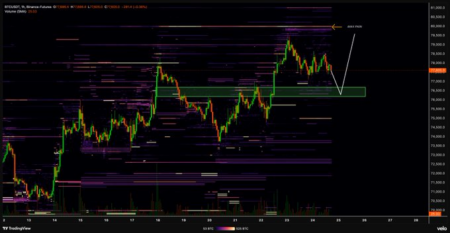
Bitcoin, the world’s leading cryptocurrency, has been stuck in a holding pattern lately, with prices hovering between $65,000 and $70,000. This sideways trading movement has left many investors wondering what comes next for the digital asset. While these price levels might seem stable on the surface, market analysts are sounding cautionary notes about what lies ahead. The general consensus among cryptocurrency experts suggests that Bitcoin hasn’t yet escaped the woods when it comes to potential price declines. In fact, some market watchers are preparing investors for the possibility of more significant drops in the near future, with predictions ranging from modest corrections to more substantial declines that could push Bitcoin’s price down to the $50,000 mark. This uncertainty reflects the broader challenges facing the cryptocurrency market, including regulatory concerns, macroeconomic factors, and shifting investor sentiment that continues to influence trading patterns across the digital asset space.
Understanding the Recent Investment Outflows
The cryptocurrency investment landscape has been showing signs of strain, as evidenced by recent data from Coinshares, a leading digital asset management firm. Their latest cryptocurrency report reveals a troubling trend that has been developing over the past month. According to their findings, crypto investment products have experienced a continuous bleeding of capital, with outflows occurring for four consecutive weeks. Last week alone saw $173 million leave cryptocurrency investment vehicles, which might not sound catastrophic in isolation, but when you zoom out to look at the bigger picture, the situation becomes more concerning. Over the past four weeks combined, the total outflow from cryptocurrency investment products has reached a staggering $3.74 billion. This substantial exodus of capital from the crypto market represents a significant shift in investor confidence and suggests that many institutional and retail investors are pulling back from their cryptocurrency positions, possibly seeking safer havens for their capital or simply taking profits after previous gains.
Bitcoin Bears the Brunt of Capital Flight
When examining the cryptocurrency outflows more closely on an individual basis, Bitcoin emerges as the primary victim of this capital flight. The world’s most valuable cryptocurrency experienced outflows totaling $133.3 million during the reported period, demonstrating that investors’ concerns are particularly focused on the flagship digital asset. Ethereum, the second-largest cryptocurrency by market capitalization, also suffered significant losses, with $85.1 million flowing out of ETH-based investment products. However, there’s an interesting nuance in the Bitcoin outflow story that provides a glimmer of hope for long-term believers in the cryptocurrency. While $133 million left Bitcoin investment products, short positions—which are essentially bets against Bitcoin’s price—also experienced outflows totaling $15.4 million over the past two weeks. This simultaneous exit from both long and short positions is particularly noteworthy because, according to market analysts, this pattern commonly appears near market bottoms. In other words, when both the bulls and bears are exhausted and stepping away from their positions, it often signals that a turning point may be approaching, though the timing and direction of such a turn remain uncertain.
The Altcoin Bright Spots in a Challenging Market
While Bitcoin and Ethereum have been struggling with significant outflows, not all cryptocurrencies are experiencing the same fate. In fact, several alternative cryptocurrencies, commonly known as altcoins, have been attracting investor interest and capital even as the market leaders falter. XRP, the cryptocurrency associated with Ripple Labs, has been a standout performer in terms of capital inflows, attracting $33.4 million in new investments. This positive sentiment toward XRP comes amid ongoing legal developments and growing institutional interest in the token. Solana, often dubbed an “Ethereum killer” due to its high-speed blockchain capabilities, has also captured investor attention with $31 million in inflows. The Solana ecosystem has been experiencing robust growth in decentralized applications and NFT projects, which may explain its continued appeal to investors. Meanwhile, Chainlink, a decentralized oracle network that provides real-world data to blockchain smart contracts, saw more modest but still positive inflows of $1.1 million. Even Hyperliquid, a newer entrant to the cryptocurrency space, managed to attract $1 million in new investment despite also experiencing some outflows. This divergence between the performance of major cryptocurrencies like Bitcoin and Ethereum versus certain altcoins suggests that investors may be becoming more selective in their cryptocurrency allocations, choosing projects based on specific fundamentals, use cases, or technological advantages rather than simply following Bitcoin’s lead.
Regional Investment Patterns Tell a Revealing Story
The geographic distribution of cryptocurrency investment flows reveals fascinating insights into how different regions are approaching the current market conditions. The United States stands out dramatically in the data, but not in a positive way. American investors led the retreat from cryptocurrency investments, with a massive $403 million outflow from US-based crypto investment products. This makes the United States the only major region to experience net outflows during the reporting period, which raises questions about whether American investors are particularly spooked by recent market conditions, regulatory developments, or broader economic concerns. In stark contrast, European investors appear to be viewing the current market situation as an opportunity rather than a threat. Germany topped the list of countries experiencing inflows, with $114.8 million in new capital entering German cryptocurrency investment products. This could reflect greater regulatory clarity in Germany regarding digital assets or simply a different risk appetite among German investors. Canada, which has been a pioneer in cryptocurrency investment products, including being among the first countries to approve Bitcoin exchange-traded funds, saw $46.3 million in inflows, suggesting continued confidence among Canadian investors. Switzerland, long known as a crypto-friendly jurisdiction with favorable regulatory frameworks for digital assets, attracted $36.8 million in new cryptocurrency investments. These regional differences highlight how cryptocurrency markets are increasingly influenced by local factors, including regulatory environments, tax treatments, and cultural attitudes toward digital assets.
Looking Ahead: What This Means for Crypto Investors
The current state of the cryptocurrency market presents a complex picture that defies simple interpretation. On one hand, the sustained outflows from Bitcoin and Ethereum, combined with Bitcoin’s sideways trading pattern and analyst warnings about potential further declines, paint a cautionary picture that suggests investors should remain vigilant and prepared for additional volatility. The possibility of Bitcoin testing the $50,000 level, as some analysts predict, would represent a significant correction from current levels and could trigger additional selling pressure as stop-loss orders are activated and nervous investors head for the exits. On the other hand, several factors provide reasons for cautious optimism. The simultaneous outflows from both long and short Bitcoin positions could indeed signal an approaching market bottom, as suggested by the Coinshares report. Additionally, the strong performance of selected altcoins demonstrates that the cryptocurrency market is maturing and becoming more discriminating, with capital flowing toward projects with strong fundamentals rather than simply following Bitcoin’s movements. The geographic divergence in investment flows also suggests that the global cryptocurrency market is becoming more nuanced, with different regions responding to different factors. For investors navigating these choppy waters, the key takeaway is the importance of maintaining a diversified approach, staying informed about both market-wide trends and individual project developments, and being prepared for continued volatility in the near term. As always with cryptocurrency investments, it’s crucial to remember that these markets can be unpredictable and that past performance doesn’t guarantee future results. Investors should only allocate capital they can afford to lose and should conduct thorough research before making any investment decisions in this dynamic and evolving asset class.