
Tragic Deaths of Two Promising USF Doctoral Students: A Community in Mourning
The Devastating Discovery
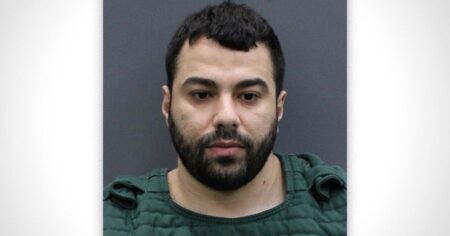
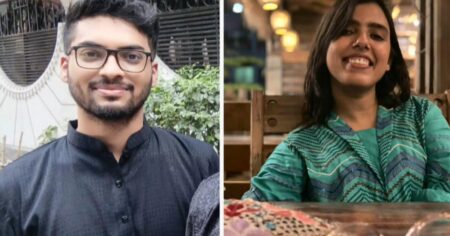
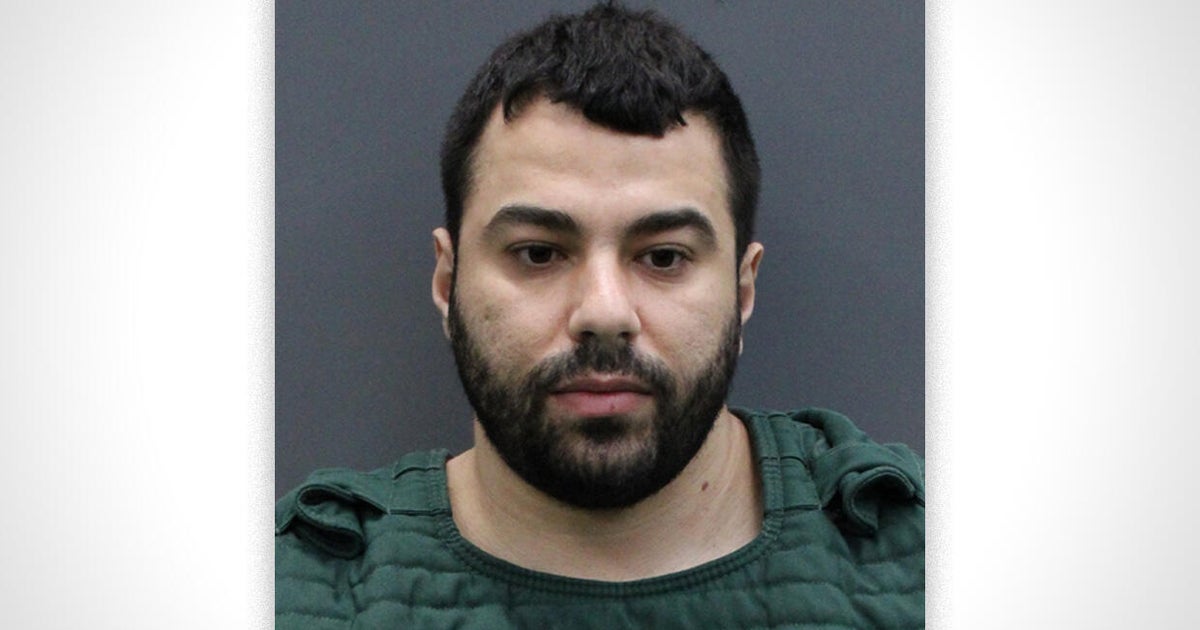
In a heartbreaking turn of events that has shaken the University of South Florida community, authorities have charged a 26-year-old man with the murders of two promising doctoral students who vanished last week. Hisham Abugharbieh now faces two counts of first-degree murder in connection with the deaths of Zamil Limon and Nahida Bristy, both 27-year-old graduate students who had their entire futures ahead of them. The Hillsborough County Sheriff’s Office announced the charges on Saturday after presenting compelling evidence to the state attorney’s office. What makes this case particularly chilling is that Abugharbieh wasn’t just an acquaintance of the victims—he was Limon’s roommate, someone who shared a living space and presumably daily life with one of the young scholars whose life he allegedly took.
The arrest came on Friday, the same day that Limon’s body was discovered on the Howard Franklin Bridge in Tampa. For Limon’s family and friends, the confirmation of their worst fears brought an end to days of agonizing uncertainty, but it also marked the beginning of a different kind of pain—the grief of losing someone with so much potential, so many dreams yet to be realized. The premeditated nature of the charges suggests that authorities believe these weren’t crimes of passion or accidents, but calculated acts of violence. Abugharbieh is specifically accused of premeditated murder with a weapon, a detail that adds another layer of horror to an already incomprehensible tragedy.
A Second Victim and a Family’s Anguish
While Limon’s body has been recovered, the situation surrounding Nahida Bristy remains even more distressing. Her family received the devastating news from police that she is most likely dead, though her body has not yet been found. Zahid Prato, Bristy’s brother, shared the agonizing conversation he had with law enforcement early Saturday morning. “Police told us she is no longer with us,” he said, his words conveying the unbearable weight of grief that has settled upon the family. The determination that Bristy is likely deceased comes from the horrifying discovery of a significant volume of blood found at Abugharbieh’s residence—the same home he shared with Limon.
What makes this situation even more traumatic for Bristy’s family is the possibility that they may never be able to lay their loved one to rest properly. According to Prato, police have informed the family that Bristy’s body may never be recovered, as investigators believe she may have been dismembered. This nightmarish detail speaks to the brutality of the alleged crimes and leaves the family in an impossible position—knowing their daughter and sister is gone but unable to bring her home one final time. As of Saturday, authorities confirmed they were still actively searching for Bristy’s remains, offering a small glimmer of hope that the family might someday have closure. The Hillsborough County Sheriff’s Office continues to investigate, and the community waits anxiously for any news that might bring some resolution to this aspect of the tragedy.
The Arrest and Additional Charges
The circumstances surrounding Abugharbieh’s arrest add another troubling dimension to this case. Deputies from the Hillsborough County Sheriff’s Office took him into custody on Friday after responding to a domestic violence call at a residence in the Lake Forest Community, a neighborhood situated near the University of South Florida’s Tampa campus. This detail raises questions about whether there might have been warning signs, previous incidents, or a pattern of violence that went unaddressed. Beyond the two murder charges, Abugharbieh faces several additional serious charges that paint a picture of someone allegedly trying to cover up heinous crimes.
He has been charged with domestic violence, suggesting there may have been other victims or incidents of abuse. He also faces charges of evidence tampering, which indicates that investigators believe he actively tried to conceal or destroy evidence related to the murders. Perhaps most tellingly, he’s been charged with failing to report a death to law enforcement—a charge that suggests a consciousness of guilt and a deliberate attempt to hide what had occurred. Chief Deputy Joseph Maurer with the Hillsborough County Sheriff’s Office confirmed that Limon’s remains were discovered on the Howard Franklin Bridge Friday morning, though his exact cause of death remained pending as authorities waited for autopsy results. The bridge location raises questions about how the body came to be there and what exactly transpired in the hours or days between when the students were last seen and when Limon’s body was found.
Two Bright Futures Cut Short
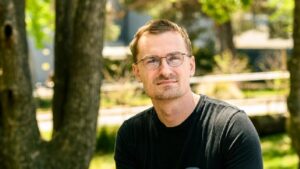
Both Limon and Bristy were last seen in the Tampa area on April 16, and in the days that followed, their absence would have been immediately noticeable to those who knew them. These weren’t students who were likely to simply disappear without explanation—they were dedicated scholars deeply invested in their research and on the cusp of significant academic achievements. Zamil Limon was pursuing groundbreaking work in the field of artificial intelligence as it applies to environmental science, a cutting-edge area of research that combines technology with one of the most pressing challenges of our time: understanding and protecting our environment. His family shared that he was scheduled to present his doctoral thesis this very week, a milestone that represents years of intensive study, research, and dedication.
Imagine the anticipation he must have felt, the nervous excitement about defending his work and finally earning the title of “doctor” after so many years of sacrifice. That moment will never come now, and the academic community has lost not just a student but a emerging scholar who might have made significant contributions to how we use artificial intelligence to address environmental challenges. Nahida Bristy was similarly on the path to completing her doctorate, focusing her research on chemical engineering. Like Limon, she had invested years of her life into her studies, working long hours in laboratories, conducting experiments, analyzing data, and contributing to the body of scientific knowledge. Chemical engineering is a field that touches countless aspects of our daily lives, from the medicines we take to the materials we use, and Bristy’s research represented the potential for future innovations that could have benefited society in ways we can’t even imagine.
A Community Grapples With Unthinkable Loss
The University of South Florida community is now left to process an almost incomprehensible tragedy. Doctoral students are integral parts of university life—they’re not just students but also researchers, teaching assistants, mentors to younger students, and colleagues to faculty members. Both Limon and Bristy would have had advisors who worked closely with them, fellow graduate students who studied alongside them, and undergraduate students they may have taught or mentored. The ripple effects of their deaths will be felt throughout the entire university community and beyond. Friends and classmates are struggling to understand how someone they may have known, someone who lived among them, could allegedly commit such horrific acts.
The sense of safety that typically exists within academic communities has been shattered. These were students who should have been worried about their research results, their thesis defenses, and their future career prospects—not about their physical safety in their own homes and neighborhoods. The proximity of the alleged crimes to campus, with Abugharbieh’s arrest occurring in the Lake Forest Community near USF’s Tampa campus, makes this tragedy feel even more immediate and frightening for other students in the area. Universities will likely be reviewing their safety protocols and support systems in the wake of this incident, but no policy changes can bring back these two young lives or ease the pain their families, friends, and colleagues are experiencing. The loss is not just personal but also professional—two emerging scientists who might have made significant contributions to their fields are gone, their potential forever unrealized.
Seeking Justice and Answers
As the legal process moves forward, many questions remain unanswered. What motivated these alleged murders? Were there warning signs that were missed? Could anything have been done to prevent this tragedy? The investigation continues, with authorities still searching for Bristy’s remains and working to piece together exactly what happened during those fateful days after April 16. The evidence presented to the state attorney’s office was apparently compelling enough to support charges of first-degree premeditated murder, which in Florida can carry the death penalty or life imprisonment without parole. The legal proceedings will likely take months or even years to fully resolve, leaving the families of both victims in a prolonged state of grief and uncertainty.
For Limon’s family, while they have the small comfort of being able to lay their son to rest, they must now endure the trial and relive the details of his death. For Bristy’s family, the situation is even more agonizing—they remain in limbo, hoping against hope that her remains will be found so they can properly say goodbye. Both families are facing an unimaginable loss—the children they raised, supported through years of education, and watched grow into accomplished young scholars are gone, their lives taken just as they were about to reach the pinnacle of their academic achievements. As this case progresses through the criminal justice system, it serves as a tragic reminder of how precious and fragile life is, and how violence can shatter not just individual lives but entire communities. The University of South Florida has lost two of its brightest minds, families have lost beloved children, and the academic fields of environmental AI and chemical engineering have lost promising future contributors who can never be replaced.