


Why Iran War is Affecting Diesel Prices More Than Petrol
The Disproportionate Impact on Diesel Markets
When geopolitical tensions flare up in the Middle East, particularly involving major oil producers like Iran, we typically expect to see energy prices rise across the board. However, the current situation has revealed an interesting and often overlooked phenomenon: diesel prices are experiencing significantly more volatility and upward pressure than petrol prices. This isn’t just a minor statistical blip – it represents a fundamental difference in how these two fuel markets operate and respond to global crises. Understanding why diesel is more vulnerable to disruptions from an Iran conflict requires examining the complex web of global supply chains, refining capacity constraints, regional demand patterns, and the strategic importance of middle distillates in the world economy.
The disparity between diesel and petrol price movements during the Iran crisis can be traced to several interconnected factors. First, diesel occupies a more critical position in the global economy as the primary fuel for commercial transportation, shipping, agriculture, and industry. When tensions rise in oil-producing regions, the market doesn’t just react to current supply disruptions – it anticipates future problems throughout the supply chain. Diesel’s role as the lifeblood of commerce means that even the threat of supply constraints triggers panic buying and strategic stockpiling by businesses that cannot afford operational disruptions. Meanwhile, petrol, which primarily serves passenger vehicles, faces more elastic demand that can be reduced through behavioral changes like reduced discretionary travel. This fundamental difference in how essential each fuel is to economic activity creates an asymmetric response in pricing when geopolitical risks emerge.
Refining Capacity and the Middle Distillate Squeeze
One of the most significant factors driving diesel prices higher than petrol during the Iran crisis relates to global refining capacity and the specific challenge of producing middle distillates like diesel fuel. The refining industry has undergone substantial changes over the past decade, with numerous refineries closing in Europe and North America due to environmental regulations, poor profitability, and the energy transition toward cleaner fuels. The refineries that have closed were often those specifically configured to produce higher yields of diesel and heating oil. This has created a structural deficit in diesel refining capacity relative to demand, particularly in Western markets. When Iran tensions threaten crude oil supplies or disrupt shipping routes through the Strait of Hormuz – through which nearly one-fifth of global oil passes – refineries face difficult choices about which products to prioritize. The technical reality is that you cannot simply produce more diesel without also producing other petroleum products, and the inflexibility of this refining process means diesel shortages develop more quickly than petrol shortages.
Furthermore, different types of crude oil yield different proportions of products when refined. Iran produces significant quantities of medium and heavy crude oils, which generally produce higher yields of diesel and other middle distillates compared to lighter crudes. When Iranian supply is threatened or sanctioned, the global crude slate shifts toward lighter oils from sources like US shale producers, which naturally produce more petrol and less diesel during refining. This mismatch between the crude available and the products most needed creates upward price pressure specifically on diesel. Refiners can adjust their processes through complex and expensive cracking units, but these adjustments have limits and cannot fully compensate for the loss of diesel-rich crude sources. The result is that Iran-related supply disruptions hit diesel markets with disproportionate force, even if total crude oil availability doesn’t change dramatically.
Regional Demand Patterns and Strategic Dependencies
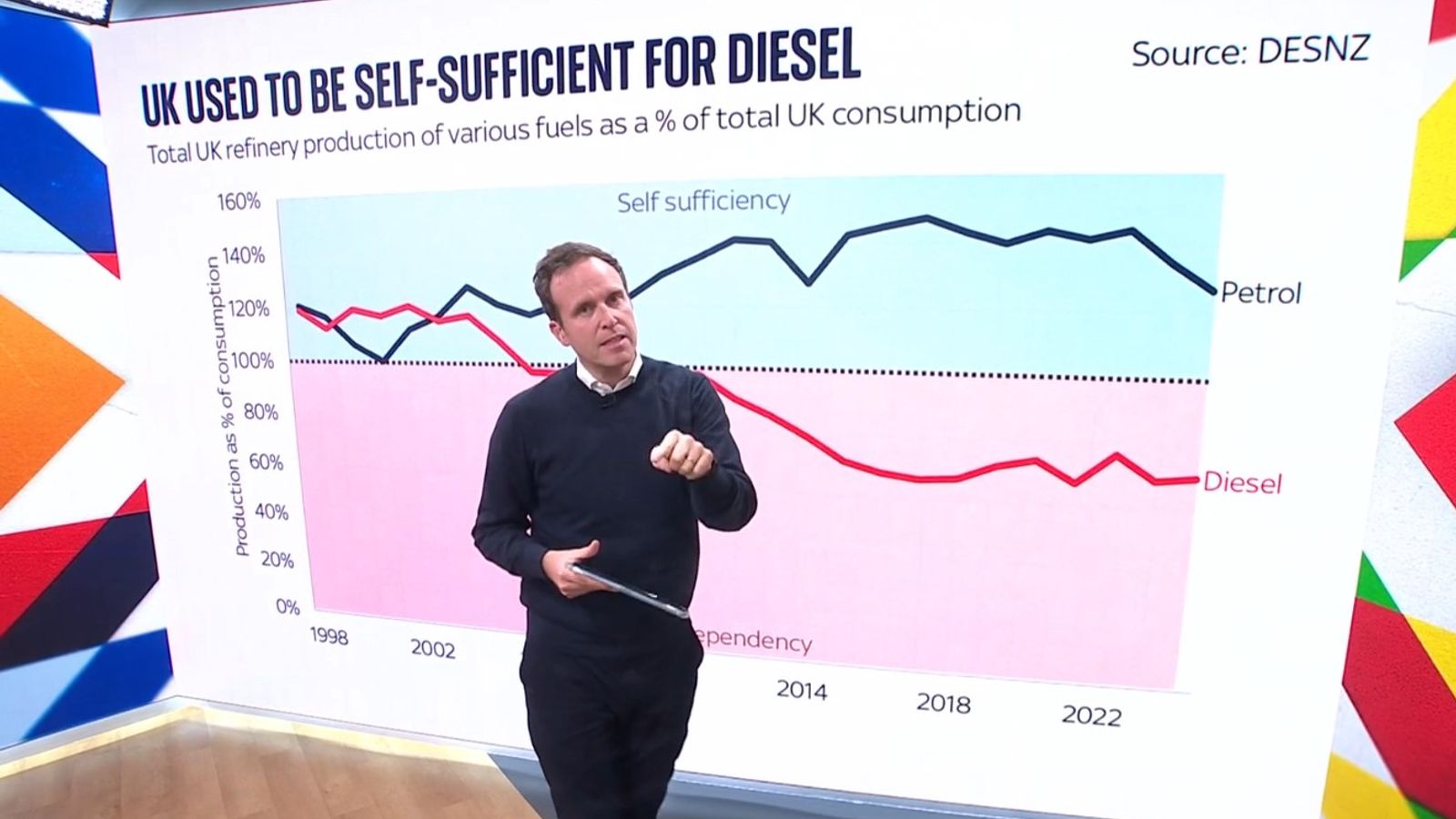
The geography of diesel demand adds another layer to why Iran tensions affect diesel prices more acutely. Europe, in particular, has become heavily dependent on diesel fuel imports after years of closing domestic refining capacity while diesel vehicle adoption grew substantially. European countries promoted diesel vehicles for decades as a cleaner, more fuel-efficient alternative for reducing carbon emissions, resulting in diesel comprising over half of the fuel used in passenger vehicles in many European nations. However, this policy created a massive demand for diesel that European refineries increasingly cannot meet. Before the war in Ukraine, Europe imported significant diesel volumes from Russia, but sanctions and policy decisions have eliminated much of this supply. The Iran crisis compounds these existing diesel shortages, forcing Europe to compete globally for diesel supplies from more distant sources like India and the Middle East, driving prices even higher.
Meanwhile, petrol demand patterns are more globally distributed and less concentrated in regions experiencing supply constraints. The United States, the world’s largest petrol consumer, has substantial domestic refining capacity optimized for petrol production and is geographically insulated from Middle Eastern supply disruptions. Asia’s growing economies have diverse fuel needs that don’t disproportionately favor diesel to the extent Europe does. This geographic mismatch – where diesel demand is concentrated in regions most vulnerable to Middle Eastern supply disruptions while petrol demand is more distributed – means Iran-related tensions create regional diesel crises that drive international prices upward, while petrol markets remain comparatively stable. The strategic vulnerability of diesel supply chains has become a critical energy security issue that governments are only now beginning to fully appreciate.
The Commercial and Industrial Multiplier Effect
Perhaps the most significant reason diesel prices rise more dramatically than petrol during geopolitical crises is the commercial multiplier effect. When businesses face diesel price increases or supply uncertainty, they respond differently than individual consumers facing petrol price changes. Transportation companies, agricultural operations, construction firms, and logistics providers operate on thin margins and cannot easily absorb fuel cost increases. They typically pass these costs through to customers rapidly, creating inflationary ripples throughout the economy. Anticipating this dynamic, diesel futures markets react strongly to any threat to supply, as traders recognize that businesses will pay premium prices to secure the fuel they need to operate. This creates a self-reinforcing cycle where expectation of diesel shortages drives prices higher, which then validates the concern and drives further increases.
The inelasticity of commercial diesel demand also contributes to price volatility. A trucking company cannot simply decide to reduce deliveries by 20% because diesel prices have increased – their customers depend on those deliveries regardless of fuel costs. Farmers cannot postpone planting or harvesting seasons to wait for better diesel prices. Construction projects operate on fixed timelines that cannot accommodate fuel price fluctuations. This rigidity in demand means that when supply is threatened by events like Iran tensions, prices must rise substantially to balance the market, as quantity demanded cannot adjust downward easily. In contrast, petrol demand has considerable elasticity – people can consolidate trips, carpool, use public transportation, or simply drive less when prices rise. This flexibility in petrol demand means prices don’t need to rise as dramatically to bring the market into balance during supply disruptions.
Strategic Reserves and Policy Responses
Government policy responses to the Iran crisis also create differences in how diesel and petrol prices behave. Many countries maintain strategic petroleum reserves designed primarily to address crude oil supply disruptions, and these reserves typically consist of crude oil rather than refined products. When governments release strategic reserves in response to Middle Eastern tensions, this crude must still be refined into products, and as discussed earlier, refining capacity constraints mean this doesn’t solve the diesel supply problem as effectively as the petrol supply problem. Some nations maintain smaller strategic reserves of refined products, including diesel, but these are generally much smaller than crude reserves and can be depleted quickly during a sustained crisis.
Additionally, policy interventions like fuel subsidies, tax adjustments, or price controls often treat diesel and petrol differently because governments recognize diesel’s strategic importance to economic activity. Some countries subsidize diesel more heavily than petrol, which can mask price signals but creates fiscal pressures during crises. Others prioritize diesel supplies for essential services like emergency vehicles, public transportation, and food distribution, effectively creating a two-tier market where commercial buyers compete for limited supplies at elevated prices. These policy differences mean that market forces affect diesel prices more directly than petrol prices during crises. The Iran situation has also highlighted the need for strategic diesel reserves specifically, though building such reserves is expensive and logistically complex, leaving most countries vulnerable to middle distillate supply disruptions.
Long-term Implications and Market Transformations
Looking beyond the immediate crisis, the differential impact of Iran tensions on diesel versus petrol prices reveals deeper structural issues in global energy markets that will shape policy and investment decisions for years to come. The vulnerability of diesel supplies has become a strategic concern for energy security, potentially accelerating transitions toward alternative fuel sources for commercial transportation, including electrification of trucks, investment in biodiesel and renewable diesel capacity, and development of hydrogen fuel cell technology for heavy-duty applications. However, these transitions require massive infrastructure investments and will take decades to substantially reduce diesel dependence.
In the shorter term, the crisis is likely to drive investment in diesel refining capacity in strategic locations, reverse some refinery closures that were planned in the energy transition, and encourage development of more flexible refining configurations that can adjust product slates based on demand. The price differential between diesel and petrol during crises also provides powerful economic signals that may shift consumer behavior, potentially reversing the trend toward diesel passenger vehicles in markets where they became popular. As these market transformations unfold, the Iran situation serves as a vivid reminder that energy security isn’t just about crude oil availability – it’s about having the right types of fuel, in the right places, refined from the appropriate crude sources, and delivered through resilient supply chains. The greater vulnerability of diesel to Middle Eastern geopolitical tensions reflects decades of policy decisions, infrastructure investments, and market developments that created structural fragilities now being tested by conflict and uncertainty.