
Global Fuel Crisis: How Iran’s Control of the Strait of Hormuz Is Creating Worldwide Shortages
The Chokepoint That’s Choking the World
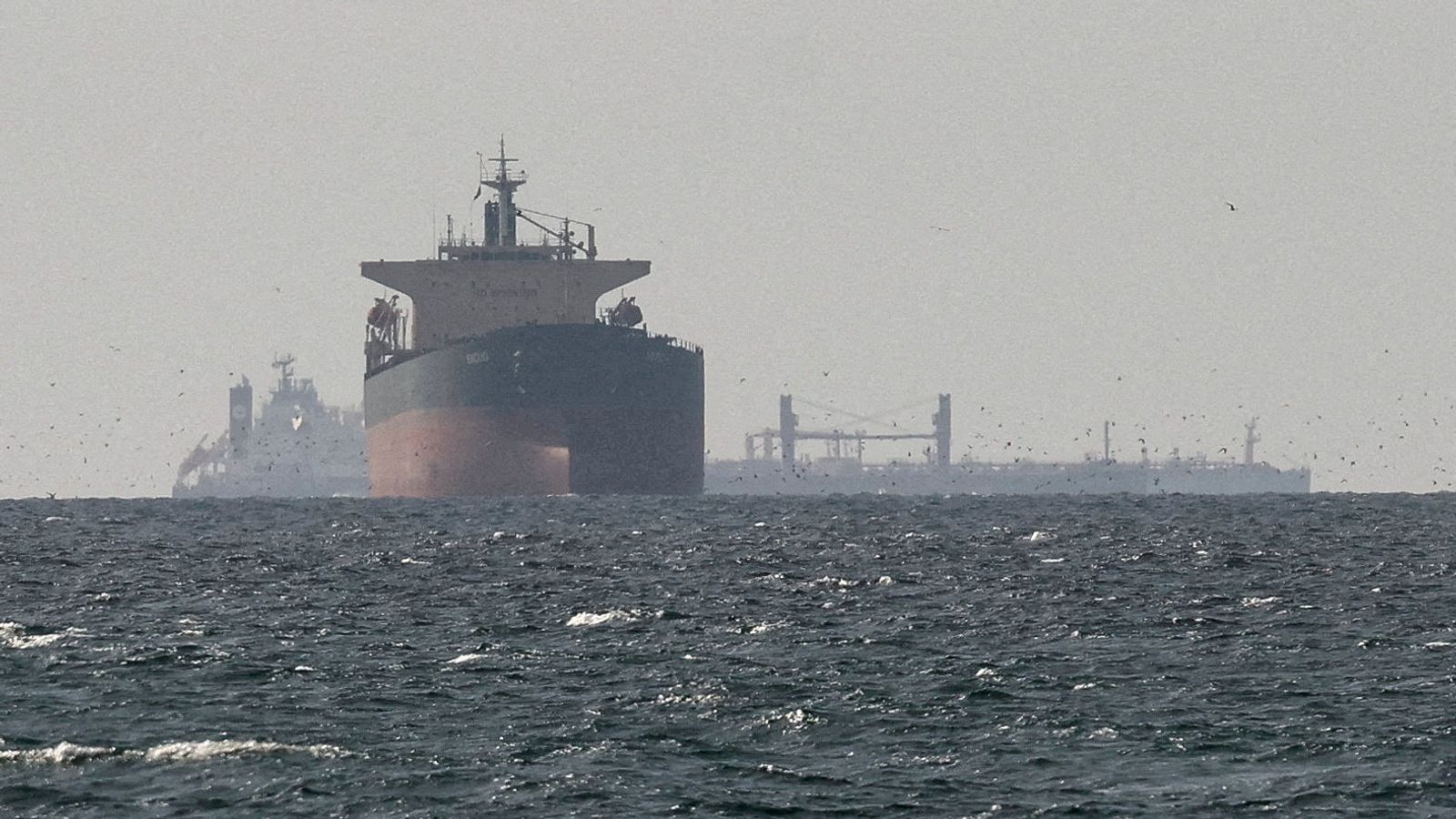
The world is facing a growing fuel crisis as one of the planet’s most critical waterways has become a dangerous bottleneck. The Strait of Hormuz, a narrow passage between Iran and the Arabian Peninsula, normally serves as the highway for about one-fifth of the world’s oil and gas supplies. But since late February, when US-Israeli strikes on Iran began, this vital artery has been squeezed nearly shut. Ship traffic through the strait has plummeted by an astonishing 95%, with Iranian retaliatory attacks forcing vessels to remain in port rather than risk the dangerous passage. What were once abstract fears about fuel shortages are now becoming very real problems across multiple continents. The normal flow of more than 20 million barrels of oil and petroleum products per day has been reduced to a trickle, with Iran selectively allowing only some ships linked to Pakistan, China, and India to pass through. As storage facilities in oil-producing nations fill to capacity and some production grinds to a halt, countries around the world are beginning to feel the squeeze in their gas tanks, at their airports, and throughout their economies.
Europe Braces for Impact as Shortages Begin to Bite
Across Europe, the fuel crisis is manifesting in different ways, from airport restrictions to empty pumps at service stations. Michael O’Leary, the outspoken chief executive of Ryanair, Europe’s largest airline, has warned that jet fuel shortages could hit hard in early May and June, potentially disrupting the critical summer travel season. Italy is already experiencing the pinch, with temporary fuel supply restrictions implemented at four airports. While Italian aviation authorities have suggested these restrictions are partly due to increased Easter holiday traffic, the underlying supply issues cannot be ignored. The elevated cost of fuel has forced some airlines to make difficult decisions—Scandinavian airline SAS announced it would cancel at least 1,000 flights in April due to surging aviation fuel costs, leaving thousands of passengers scrambling to make alternative arrangements. Meanwhile, France is experiencing notable shortages at ground level, with nearly one in five petrol stations lacking some type of fuel as of late March. The situation represents a worrying trend for a continent that has already weathered energy crises in recent years and was hoping for more stable times ahead.
The United Kingdom Prepares for Potential Shortages
While the United Kingdom hasn’t yet experienced widespread disruptions, warning signs are flashing. Asda, the nation’s second-largest fuel retailer, issued a warning at the end of March about “temporary shortages,” with its executive chair, Allan Leighton, explaining that high demand from drivers was outpacing supply, causing “the odd pump” to run dry at stations across the country. Some petrol stations have indeed had pumps out of service, though supplies have remained relatively stable overall. However, experts are urging the government not to be complacent. Nick Butler, a former BP executive, told Sky News that authorities should be “seriously planning how they’re going to handle” potential outages rather than waiting for a full-blown crisis to develop. The UK’s situation highlights a common theme emerging globally: even wealthy nations with sophisticated supply chains and strategic reserves are vulnerable when a critical chokepoint like the Strait of Hormuz is compromised. The psychological impact shouldn’t be underestimated either—British drivers remember the panic buying and long queues from previous fuel crises, and there’s concern that even minor disruptions could trigger a rush to the pumps that would turn a manageable situation into a self-fulfilling prophecy of shortage.
The Americas Face a Mixed Bag of Challenges
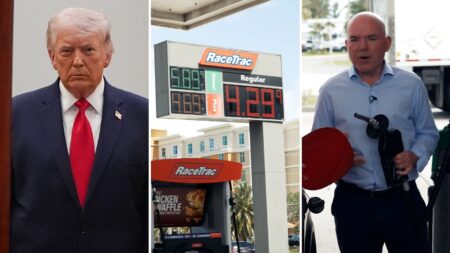
Across the Atlantic, countries in North and South America are experiencing varied impacts from the global fuel crisis. In the United States, gasoline prices have climbed steadily, with the average price for a gallon topping $4 for the first time since 2022, according to the American Automobile Association. While Americans aren’t facing empty pumps, the price increases are putting strain on household budgets and raising concerns about inflation. South America has been hit harder, particularly nations with fewer resources to weather the storm. Peru is dealing with a perfect storm of problems—a damaged gas pipeline combined with war-related supply difficulties has forced the government to implement emergency measures, with the situation serious enough that the UK government has advised against all but essential travel to parts of the country. Cuba’s situation is even more dire, facing a double blow from the supply shock. Since January, the island nation has struggled with fuel supplies after the Trump administration blocked oil shipments to the country, and the current crisis has only intensified those difficulties. These examples illustrate how global fuel supplies are interconnected, and how a disruption thousands of miles away can have devastating local impacts, especially for countries without the economic cushion to absorb shocks.
Asia and the Pacific Struggle with Cascading Effects
The fuel crisis is reverberating throughout Asia and the Pacific region in sometimes unexpected ways. South Korea has witnessed panic buying of an unlikely item—garbage bags. These bags are made from polyethylene, which is derived from naphtha, a refined petroleum product, illustrating how fuel shortages can create ripple effects through seemingly unrelated parts of the economy. In India, the western region of Gujarat has seen its ceramics industry shut down for nearly a month due to gas shortages, putting livelihoods at risk and disrupting supply chains. Vietnam’s state media reported that the country’s airlines were planning operational cuts due to fuel shortages, while in the Philippines, President Ferdinand Marcos took the serious step of declaring a state of national energy emergency, with his administration warning of “an imminent danger of a critically low energy supply.” Australia, despite being resource-rich, has not been immune. More than 600 service stations across the country ran out of fuel, with 410 lacking diesel and 193 without petrol. Energy minister Chris Bowen urged Australians to “avoid panic buying,” seeking to reassure motorists while acknowledging the very real supply challenges. Like the UK, South Africa experienced large queues and some outages driven by excess demand from motorists rushing to fill their tanks.
Africa Feels the Pressure as the Crisis Spreads
African nations are also experiencing the global fuel shortage, with countries implementing various measures to cope with reduced supplies. South Africa, the continent’s most industrialized nation, has seen familiar scenes of long queues at petrol stations and some outages, driven by motorists anxiously trying to ensure they don’t get caught with empty tanks. The surge in demand has strained supply chains that were already operating under pressure. The island nation of Mauritius provides a particularly stark example of how vulnerable smaller countries can be to global supply disruptions. After a scheduled March fuel shipment failed to arrive, the government was forced to introduce energy-saving measures, limiting nonessential electricity use to preserve dwindling fuel stocks. This situation demonstrates how countries without significant strategic reserves or alternative supply routes can quickly find themselves in crisis when normal shipping patterns are disrupted. The Mauritius case also highlights the cascade effect of the Strait of Hormuz bottleneck—when ships can’t transit safely, they don’t just delay deliveries, they force countries to make difficult choices about rationing and priorities. As the crisis continues with no clear resolution in sight, the question facing governments worldwide is not whether they’ll be affected, but how severely, and whether they’ve prepared adequate contingency plans to keep their economies and societies functioning when one of the world’s most critical energy corridors remains effectively closed.