
Global Markets Surge as US-Israel-Iran Ceasefire Brings Hope for Economic Recovery
A Welcome Break in Tensions Sends Oil Prices Tumbling
In what President Trump has called “a big day for world peace,” financial markets around the globe have responded with explosive enthusiasm to news of a two-week ceasefire agreement between the United States, Israel, and Iran. The most immediate and dramatic impact has been felt in the oil markets, where prices have experienced their sharpest decline since the conflict’s early days. Benchmark Brent crude, which had been hovering above the psychologically significant $100 per barrel mark, has plummeted approximately 14% to settle at $94. This dramatic drop represents a significant shift in market sentiment, as traders and investors who had been bracing for prolonged conflict and potential supply disruptions are now cautiously optimistic about the possibility of regional stability. While this price level remains substantially elevated compared to pre-war figures of around $72 per barrel, and well above the $69 price point seen in early 2025, the direction of movement has brought considerable relief to consumers and businesses worldwide who have been struggling with elevated energy costs.
British Households See Ray of Hope as Gas Prices Drop Significantly
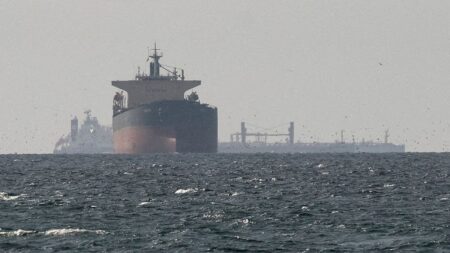
For families across the United Kingdom, the ceasefire announcement has brought particularly welcome news in the form of dramatically lower wholesale gas prices. The UK has seen its wholesale gas market drop by more than 18%, reaching levels not observed since March 2nd of this year. This substantial decrease offers a glimmer of hope for British households who have been bearing the brunt of soaring energy bills throughout the conflict period. Currently sitting at 110 pence per unit of gas, prices remain considerably above the pre-war benchmark of 78 pence, but the downward trajectory suggests that relief may be on the horizon for consumers who have been forced to make difficult choices between heating their homes and meeting other essential expenses. The driving force behind this significant price reduction has been Iran’s announcement regarding the reopening of the Strait of Hormuz, a critical maritime chokepoint through which approximately one-fifth of the world’s oil supply typically flows. This narrow waterway has been a focal point of concern throughout the conflict, and its reopening signals a potential return to normal shipping operations for oil and gas tankers serving global markets.
The Road to Recovery: Production Restart Poses Logistical Challenges
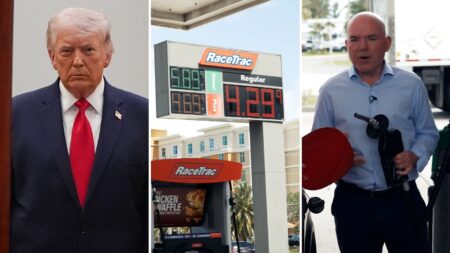
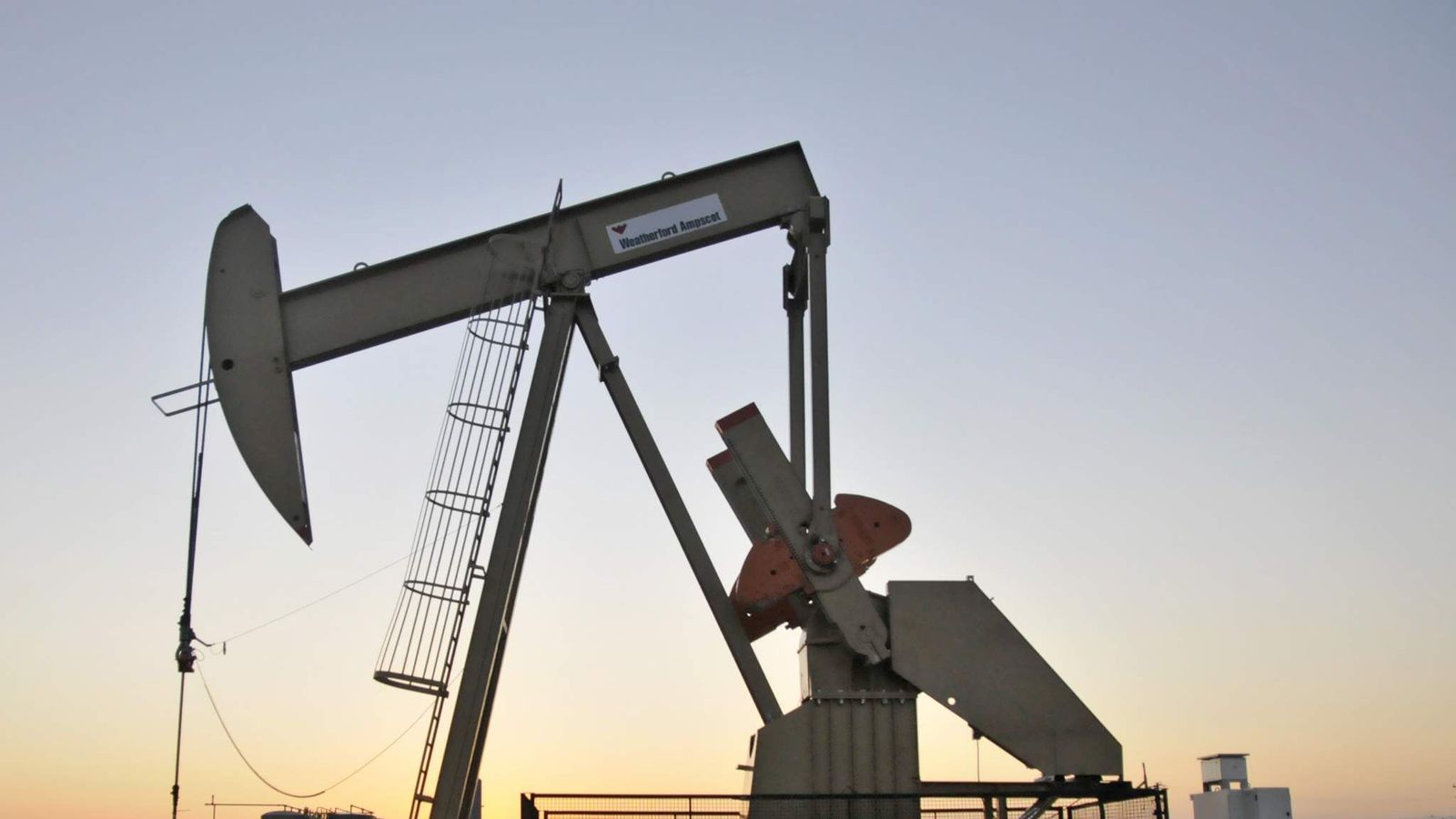
Despite the encouraging news on the ceasefire front, energy market analysts are cautioning that the path back to normal production and distribution levels will not be straightforward or immediate. The complex infrastructure that underpins global oil and gas production cannot simply be switched back on like a light bulb. Producers who powered down their operations during the height of the conflict face a methodical and time-consuming process to bring their facilities back to pre-war output levels. This technical reality means that even with the best intentions and maximum effort, it will take considerable time before the full capacity of oil and gas production is restored. Adding another layer of complexity to the situation, refineries that process crude oil into useful products such as aviation fuel, gasoline, and diesel have been operating well below capacity or sitting idle due to lack of raw materials. These sophisticated facilities now face the challenge of receiving fresh crude supplies, processing them through their complex systems, and then shipping the finished products to market. This multi-stage process creates inevitable delays that will prevent consumers from experiencing immediate relief at the pump or in their energy bills.
Lingering Economic Impacts Across Multiple Sectors
The ripple effects of elevated oil and gas prices extend far beyond what consumers see at gas stations or on their utility bills. Supply chain disruptions and persistently high energy costs are expected to create ongoing challenges across numerous economic sectors for weeks and potentially months to come. Farmers, who form the backbone of food security, are likely to continue facing significantly elevated prices for fertilizers, many of which are petroleum-based or require substantial energy inputs for their production. This situation threatens to maintain upward pressure on food prices even as energy markets begin to stabilize. Meanwhile, motorists should not expect immediate relief at the pump, as petrol and diesel prices typically lag behind crude oil price movements due to the time required for refining, distribution, and retail pricing adjustments. Transportation companies, which operate on thin profit margins, will continue to pass along elevated fuel costs to consumers through higher prices for goods and services. These persistent supply chain issues and elevated input costs across the economy may act as a brake on the downward movement of oil and gas prices, preventing them from falling as quickly or as far as the initial market reaction might suggest.
Asian Markets Celebrate with Record-Breaking Gains
While energy markets have been the primary focus of attention, stock markets across Asia have staged a remarkable rally in response to the ceasefire announcement. Major financial centers throughout the region have recorded some of their largest single-day gains in recent memory, reflecting deep-seated relief among investors who had been deeply concerned about the economic implications of a prolonged Middle East conflict. South Korea’s flagship Kospi index has surged nearly 7%, an extraordinary move for a major market index that reflects the profound shift in investor sentiment. Similarly impressive, Japan’s Nikkei index has jumped 5.5%, demonstrating the enthusiasm with which Asian investors have greeted the news of de-escalation. These dramatic gains are particularly significant given that both South Korea and Japan are heavily dependent on energy imports from the Middle East, with limited domestic fossil fuel resources of their own. Throughout the conflict, these nations had been experiencing panic buying and hoarding behaviors as consumers and businesses worried about potential shortages and indefinite price increases. The prospect of renewed stability in Middle East energy exports has therefore been especially meaningful for these import-dependent economies, whose growth prospects and industrial competitiveness are closely tied to energy costs.
Looking Ahead: Cautious Optimism Tempered by Uncertainty
As global markets continue to digest the implications of this two-week ceasefire, a mood of cautious optimism prevails among economists, traders, and policymakers. The dramatic market movements reflect genuine hope that this temporary pause in hostilities might evolve into a more lasting peace agreement, potentially ending one of the most significant threats to global economic stability in recent years. However, experienced observers are quick to note that a two-week ceasefire, while welcome, does not constitute a permanent resolution to the underlying tensions that sparked the conflict in the first place. The coming days and weeks will be critical in determining whether this temporary peace can be extended and transformed into a durable diplomatic solution. For now, consumers around the world can take some comfort in the knowledge that energy prices are moving in a favorable direction, even if the full benefits of this shift will take time to materialize in their daily lives. Businesses dependent on stable energy supplies can begin to make plans with somewhat greater confidence, though prudent managers will likely maintain contingency plans in case the situation deteriorates. The global economy, which had been bracing for potentially severe disruptions, has been granted at least a temporary reprieve, offering hope that the worst-case scenarios that dominated recent headlines may yet be avoided. As this developing situation continues to unfold, markets will remain highly sensitive to any news from the region, whether positive or negative, making the next two weeks a critical period for determining the longer-term trajectory of both geopolitical relations and global economic conditions.