


Market Watchers Zero In on Federal Reserve’s March Interest Rate Decision
Crypto Prediction Markets Signal Status Quo Ahead
In the ever-evolving landscape of financial forecasting, cryptocurrency-based prediction markets have emerged as an increasingly popular barometer for gauging investor sentiment around major economic policy decisions. Polymarket, one of the most prominent platforms in this space, has become a go-to destination for those seeking real-time insights into what market participants truly believe will happen when the Federal Reserve convenes its next policy meeting in March. The platform allows users to effectively “bet” on various economic outcomes using cryptocurrency, creating a crowd-sourced prediction mechanism that often reflects the collective wisdom of thousands of informed participants. What these investors are currently signaling is quite clear: they overwhelmingly expect the Federal Reserve to maintain its current interest rate policy without making any adjustments. This expectation tells us something important about how the market views the current state of the American economy—not hot enough to require rate hikes, but not weak enough to necessitate emergency cuts either.
The Numbers Behind the Prediction: An 83% Consensus for No Change
When you look at the actual data coming from Polymarket, the message becomes crystal clear. A substantial 83 percent of the platform’s participants believe the Federal Reserve will leave interest rates exactly where they are when policymakers meet in March. This isn’t just a slim majority—it’s an overwhelming consensus that suggests most investors see the economic conditions as stable enough to warrant a wait-and-see approach from the central bank. Meanwhile, about 16 percent of market participants are pricing in the possibility of a modest 25 basis point reduction in interest rates, which would represent a quarter-percentage-point decrease. This minority view likely reflects concerns about potential economic softening or believes the Fed might want to provide additional support to the economy as a precautionary measure. The really interesting part comes when you look at the extreme scenarios: both aggressive rate cuts of 50 basis points or more and rate increases of any magnitude are each priced at just 1 percent probability. The market is essentially saying that dramatic policy shifts in either direction are almost completely off the table for March, reflecting confidence that we’re not facing either an economic crisis requiring emergency stimulus or runaway inflation demanding aggressive tightening.
Understanding the Federal Reserve’s Recent Policy Journey
To understand why the market expects no change, it helps to look at what the Federal Reserve has been doing recently. The Federal Open Market Committee (FOMC)—the Fed’s policy-setting body—made its most recent decision in January, choosing to hold the benchmark interest rate steady in a range between 3.50% and 3.75%. This decision to pause marked a significant shift in the Fed’s recent trajectory, representing the first time since July 2025 that policymakers opted to keep rates unchanged rather than adjusting them. This pause came after the Fed had implemented three consecutive interest rate cuts of 25 basis points each during the final three meetings of 2025, systematically reducing borrowing costs as economic conditions evolved. Interestingly, the January decision wasn’t entirely unanimous—the vote came out 10-2, with Fed members Stephen Miran and Christopher Waller dissenting in favor of implementing another 25 basis point cut. Their reasoning centered on observations that the labor market was showing signs of easing, suggesting to them that additional monetary support might be warranted to keep employment strong. This dissent is notable because it shows that even within the Fed itself, there’s ongoing debate about the appropriate policy stance, though the majority clearly felt comfortable hitting the pause button.
The Fed’s Delicate Balancing Act: Inflation Versus Employment
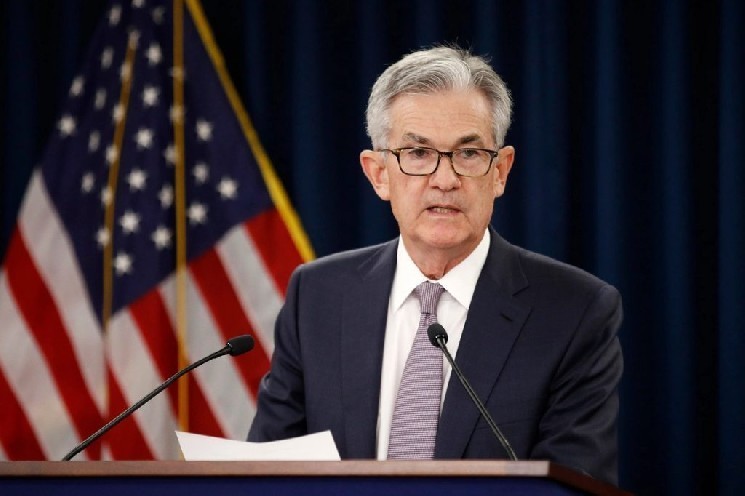
Federal Reserve Chair Jerome Powell provided important context for understanding the central bank’s current thinking when, following the December rate cut, he characterized monetary policy as having entered a “wide neutral range.” This seemingly technical phrase actually carries significant meaning—it suggests the Fed believes interest rates are now positioned at a level that neither significantly stimulates nor restricts economic activity, but rather sits comfortably in a middle zone. This positioning is crucial because the Federal Reserve operates under what’s known as a “dual mandate” from Congress, meaning it’s legally obligated to pursue two sometimes-competing goals: maintaining price stability (controlling inflation) and promoting maximum employment. These objectives create a constant balancing act that requires careful judgment and timing. When the Fed sets interest rates too low, borrowing becomes cheap, businesses and consumers spend more freely, unemployment tends to fall, but prices can rise as demand outstrips supply—risking inflation. Conversely, when interest rates are set too high, borrowing becomes expensive, economic activity slows, inflation pressures ease, but unemployment may rise as businesses pull back on expansion and hiring. The art of central banking involves finding that “Goldilocks” position where rates are neither too hot nor too cold, but just right to support sustainable economic growth with stable prices and healthy employment.
What This Means for Everyday Americans and the Broader Economy
For people not immersed in the technical details of monetary policy, the practical implications of the Fed likely holding rates steady in March are significant and touch many aspects of daily financial life. If rates remain unchanged as the Polymarket data suggests, Americans can expect continued stability in borrowing costs across various financial products. Mortgage rates, which have such a huge impact on housing affordability and the real estate market, would likely remain in their current range rather than dropping significantly or climbing higher. This stability provides some predictability for prospective homebuyers and those considering refinancing existing mortgages. Similarly, auto loan rates, credit card interest charges, and business lending costs would maintain their current levels, allowing consumers and companies to make financial plans with greater confidence. For savers, steady rates mean the yields on savings accounts, certificates of deposit, and money market funds would continue at present levels—offering reasonable returns without the disappointment of cuts or the excitement of increases. The broader economic implications are equally important: stable interest rates suggest the Fed sees the economy as being in a reasonably good place, neither overheating with excessive inflation nor sliding toward recession, which should support continued moderate growth in jobs and overall economic activity.
Looking Ahead: The Evolving Economic Landscape
While the Polymarket data provides a fascinating snapshot of current market expectations, it’s important to remember that economic conditions and Fed policy are always subject to change based on new information. The 83 percent probability of no change in March isn’t a guarantee—it’s simply what investors currently believe based on available data. Between now and the March meeting, the Fed will receive multiple employment reports, inflation data, GDP figures, and other economic indicators that could potentially shift the outlook. If inflation were to unexpectedly accelerate, that 1 percent probability of a rate increase could quickly grow. Conversely, if the labor market weakened substantially or financial markets experienced significant stress, calls for rate cuts might intensify beyond the current 16 percent pricing. The beauty of prediction markets like Polymarket is that they update continuously as new information becomes available, providing a real-time gauge of shifting sentiment. For investors, businesses, and policymakers, these platforms offer valuable insights into market psychology and expectations that complement traditional economic forecasting methods. As we move closer to March, watching how these probabilities evolve will provide important clues about how market participants are interpreting the incoming economic data and adjusting their expectations accordingly. What remains clear for now is that the consensus firmly expects continuity rather than change, suggesting confidence in the Fed’s current policy stance and the overall trajectory of the American economy.