


Bitcoin Depot Faces Perfect Storm: Regulatory Crackdown, Plummeting Stock Value, and Leadership Exodus
Understanding the License Suspension Crisis
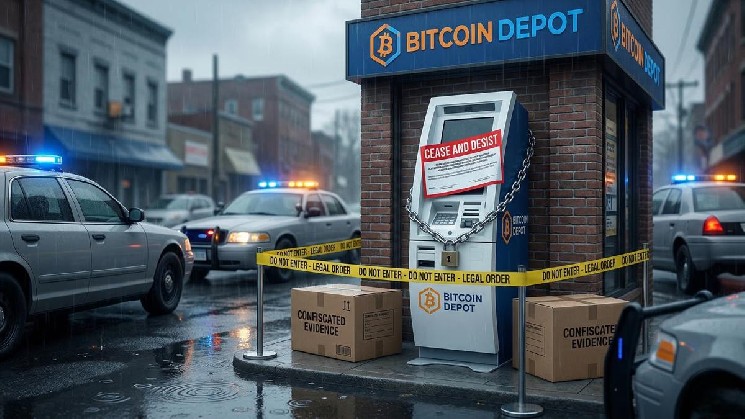
Bitcoin Depot, one of America’s largest cryptocurrency ATM operators, is experiencing what industry analysts are calling an existential crisis. On March 9, 2026, the Connecticut Banking Commissioner delivered a devastating blow to the company by suspending its money transmission license and issuing a temporary cease-and-desist order. This wasn’t just a routine regulatory slap on the wrist—it represents a fundamental challenge to the company’s business model and reputation. The Commissioner cited serious violations of the Money Transmission Act, pointing specifically to the company’s failure to maintain the minimum net worth required by law and, perhaps more troubling from a consumer protection standpoint, incomplete reimbursements to fraud victims who lost money through the company’s kiosks. This regulatory action effectively shut down Bitcoin Depot’s operations in Connecticut, preventing the company from conducting any money transmission business within state borders. For a company that built its empire on accessibility and convenience through thousands of cryptocurrency kiosks, losing the ability to operate in even one state creates a dangerous precedent and raises questions about whether other states will follow suit with similar enforcement actions.
The Devastating Financial Collapse
The financial markets have rendered a harsh verdict on Bitcoin Depot’s troubles, with the company’s stock price telling a story of investor panic and lost confidence. Shares trading under the ticker symbol BTM have experienced a catastrophic decline, plummeting 56% year-to-date to hover around just $4.06. To put this in perspective, Bitcoin Depot had previously reached all-time highs that made early investors substantial returns, but those gains have evaporated as the company’s operational and regulatory problems have mounted. This isn’t just about numbers on a screen—it represents billions of dollars in destroyed shareholder value and the financial devastation of retail investors who believed in the cryptocurrency ATM business model. The 2025 financial results paint a picture of a company struggling to maintain profitability despite substantial top-line revenues of $615 million. However, that impressive revenue figure masks a troubling reality: net profits collapsed to a mere $5.1 million, representing a profit margin of less than 1%. This razor-thin profitability left the company with virtually no cushion to absorb the regulatory storms that were gathering. Perhaps most alarming for investors and employees alike, company management issued a stark warning that core business revenues could drop by 30% to 40% during 2026 as state regulations continue to tighten across the country. Such a revenue decline would be catastrophic for any business, but for one already operating on minimal profit margins, it could prove fatal.
The Nationwide Kiosk Network Under Pressure
Bitcoin Depot built its business on a simple but powerful concept: making cryptocurrency accessible to everyday Americans through conveniently located kiosks in convenience stores, gas stations, and retail locations across the country. With more than 8,400 kiosks nationwide, the company created the largest crypto ATM network in the United States, allowing customers to buy and sometimes sell Bitcoin and other cryptocurrencies with cash. For many users, particularly those without traditional banking relationships or those who preferred the anonymity that cash transactions provided, these kiosks represented their primary gateway into the cryptocurrency world. However, this massive physical infrastructure has become both an asset and a liability as the company faces mounting challenges. Each kiosk represents ongoing costs for rent, maintenance, cash management, and compliance, creating a fixed cost structure that becomes increasingly burdensome as revenues decline. The business model that seemed revolutionary just a few years ago now appears vulnerable to regulatory scrutiny, as state authorities increasingly question whether these kiosks provide adequate consumer protection and whether they inadvertently facilitate financial crimes. The company’s recent announcement of mass layoffs suggests that management recognizes the need to dramatically reduce operating costs to match the new reality of declining revenues and increased regulatory burden, but these cuts also raise questions about whether the remaining staff can adequately manage compliance requirements across thousands of locations.
Leadership Vacuum at a Critical Moment
In what many observers view as a particularly ominous development, Bitcoin Depot confirmed on March 11 that Elizabeth Simer, the company’s Chief Operating Officer, had resigned from her position. The timing of this departure—coming just two days after the Connecticut license suspension—has fueled speculation about internal disagreements over strategy, concerns about legal liability, or simply a recognition that the company’s challenges may be insurmountable. What makes this resignation particularly concerning is the lack of transparency surrounding it; the company provided no details about the reasons for Simer’s departure, leaving investors, employees, and regulators to draw their own conclusions. The COO position is critical in any company, but especially so in an operationally complex business like Bitcoin Depot that must manage thousands of physical locations, relationships with location hosts, cash logistics, regulatory compliance across multiple states, and customer service for a sometimes-confusing product. Losing experienced executive leadership at precisely the moment when the company faces its greatest challenges creates a leadership vacuum that could hamper the company’s ability to navigate the crisis. Whether Simer’s departure represents an isolated incident or the beginning of a broader executive exodus remains to be seen, but combined with the mass layoffs of rank-and-file employees, it paints a picture of an organization in turmoil, struggling to maintain stability and direction during a period when decisive leadership is most needed.
Multi-State Legal Battles and Consumer Protection Failures
The situation in Connecticut represents just one front in what has become a multi-state legal and regulatory war against Bitcoin Depot. The company faces legal actions in Massachusetts, Iowa, and Maine, with authorities in these states alleging that the company facilitated scams against vulnerable consumers and charged excessive fees that weren’t adequately disclosed. These aren’t minor technical violations—they strike at the heart of whether the company has lived up to its fundamental obligation to protect customers. The Maine case has already reached a resolution of sorts, with Bitcoin Depot agreeing to pay $1.9 million to compensate users who were defrauded through transactions at the company’s kiosks. This settlement, while avoiding a lengthy legal battle, effectively represents an admission that the company’s fraud prevention measures were inadequate. In Iowa, the company faces ongoing lawsuits centered on allegations that it failed to implement adequate consumer protection measures, leaving customers vulnerable to various scam schemes. The pattern across these states suggests a systemic problem rather than isolated incidents: criminals apparently exploited Bitcoin Depot’s kiosks to victimize people through romance scams, fake investment schemes, and impersonation fraud, with victims losing substantial sums before realizing they’d been defrauded. The high fees charged by cryptocurrency ATMs—often 10% to 20% or more—compounded the damage to victims and have drawn regulatory scrutiny regarding whether these fees are adequately disclosed and whether they’re unconscionably high. For state regulators and attorneys general facing constituent complaints about cryptocurrency fraud, Bitcoin Depot has become a visible target representing the broader concerns about whether the cryptocurrency industry adequately protects consumers.
The Road Ahead: Survival in Question
As Bitcoin Depot attempts to navigate the remainder of 2026, the company faces what analysts describe as a “lethal combination” of regulatory tightening, evaporated investor confidence, and legal challenges across multiple jurisdictions. Each of these problems would be serious in isolation, but together they create a potential death spiral: regulatory actions reduce revenue, which depletes financial resources needed to fight legal battles and improve compliance, which in turn invites more regulatory scrutiny. The loss of investor confidence reflected in the 56% stock price decline makes it difficult or impossible for the company to raise capital through equity offerings, while the regulatory cloud hanging over the business likely limits access to debt financing as well. The company’s ability to survive may ultimately depend on whether it can successfully negotiate settlements with regulators in multiple states, implement enhanced fraud prevention and consumer protection measures that satisfy authorities, and stabilize revenues at a level that supports continued operations even with a reduced kiosk footprint. Some industry observers believe the company may need to pursue a dramatic restructuring, potentially including bankruptcy protection, to shed legal liabilities and emerge with a more sustainable business model. Others question whether the cryptocurrency ATM business model itself remains viable in an environment of heightened regulatory scrutiny and whether Bitcoin Depot’s struggles represent a warning sign for the entire sector. For the company’s employees facing layoffs, investors watching their holdings evaporate, and customers who rely on these kiosks for cryptocurrency access, the uncertainty is deeply troubling. The next few months will likely determine whether Bitcoin Depot can survive this perfect storm or whether it becomes a cautionary tale about the challenges of operating in the intersection of cryptocurrency, consumer protection, and financial regulation.